
Have you ever felt sudden pain in your lower right abdomen and wondered, “Is this just gas… or something serious?”
When it comes to appendicitis, timing is everything. Many people ignore early appendicitis symptoms, thinking it’s indigestion or food poisoning. But waiting too long can turn a small infection into a life-threatening emergency.
In this guide, we’ll break down:
Let’s understand it step by step, in simple language.
Appendicitis is a condition where the appendix becomes inflamed and infected.
The appendix is a small, finger-shaped pouch attached to your large intestine. It sits in the lower right side of your abdomen. Though it does not have a major role in digestion, it can cause serious problems when infected.
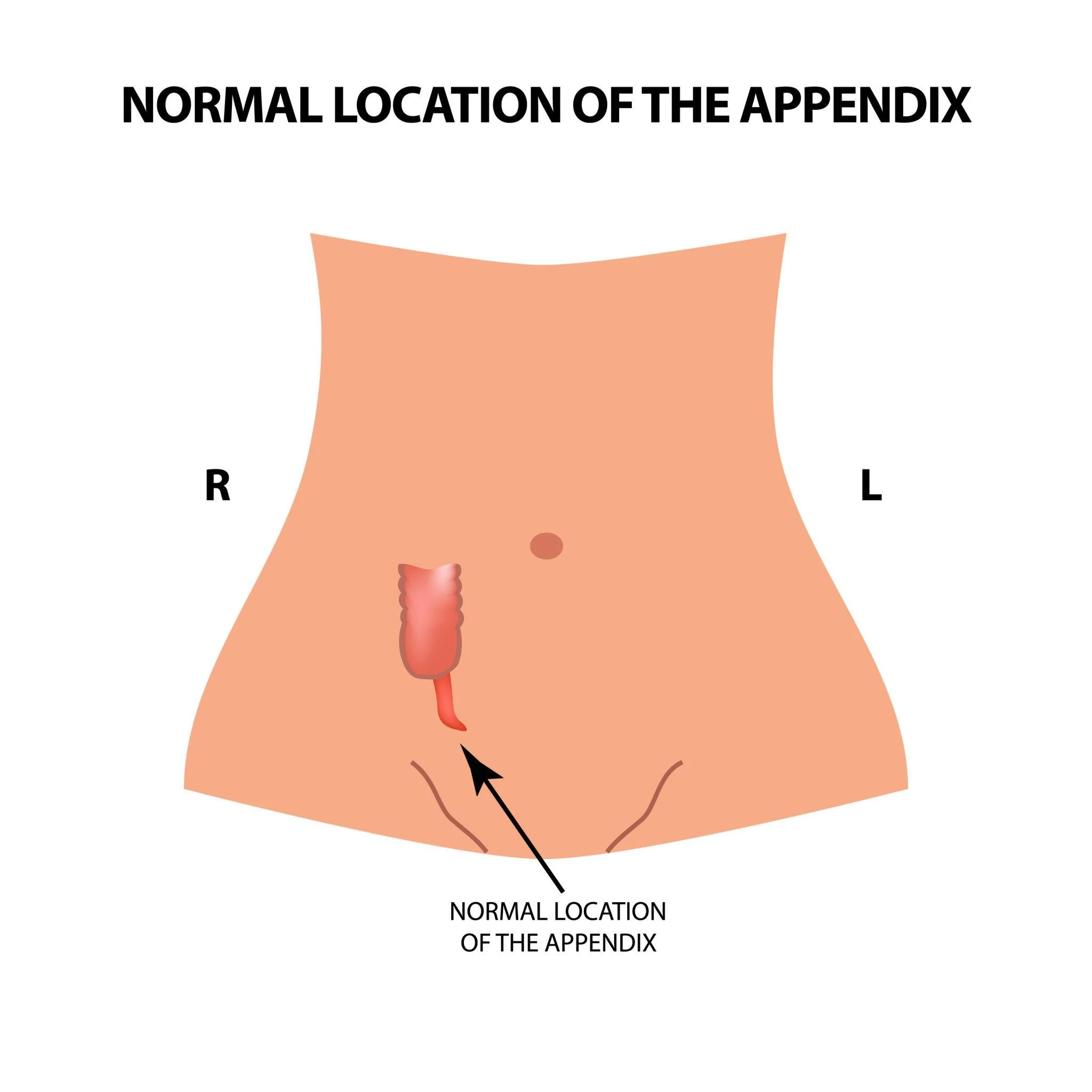
If not treated on time, the appendix can burst (rupture), spreading infection inside the abdomen. This can be dangerous and may require emergency surgery.
Many people ask, what causes appendicitis?
Appendicitis usually happens when the appendix gets blocked. This blockage allows bacteria to multiply, leading to infection and swelling.
Common causes include:
When the appendix gets blocked, pressure builds up. Blood flow reduces. Bacteria grow rapidly. That’s when pain begins.
Recognizing appendicitis symptoms early can save your life.

Here are the most common signs:
1. Pain That Starts Near the Belly Button
The pain often begins around the navel. It may feel dull at first.
2. Pain Moves to the Lower Right Abdomen
Within a few hours, the pain shifts to the lower right side and becomes sharp and severe.
This is the classic sign of appendicitis.
3. Nausea and Vomiting
Many people feel sick to their stomach shortly after the pain begins.
4. Loss of Appetite
Sudden disinterest in food is common.
5. Mild Fever
A low-grade fever may develop. If the appendix bursts, fever can become high.
6. Bloating or Gas
You may feel bloated or unable to pass gas.
7. Pain While Walking or Coughing
Movement often makes the pain worse.
If you experience these symptoms, do not ignore them. Especially if the pain worsens over time.
Understanding the 4 stages of appendicitis helps explain why early treatment is so important.
Stage 1: Early (Simple) Appendicitis
At this stage, surgery is simple and recovery is quick.
Stage 2: Suppurative Appendicitis
Stage 3: Gangrenous Appendicitis
Stage 4: Ruptured (Perforated) Appendicitis
The longer you wait, the higher the risk.
Doctors usually diagnose appendicitis through:
If someone has abdominal pain, basic blood tests like CBC can show elevated white blood cells, indicating infection. Early testing helps avoid complications.
When it comes to appendicitis treatment, surgery is the most common solution.
1. Antibiotics (In Early Cases)
In very early stages, some doctors may try antibiotics. However, surgery is usually recommended because recurrence risk is high.
2. Appendicitis Surgery (Appendectomy)
Appendicitis surgery is called an appendectomy.
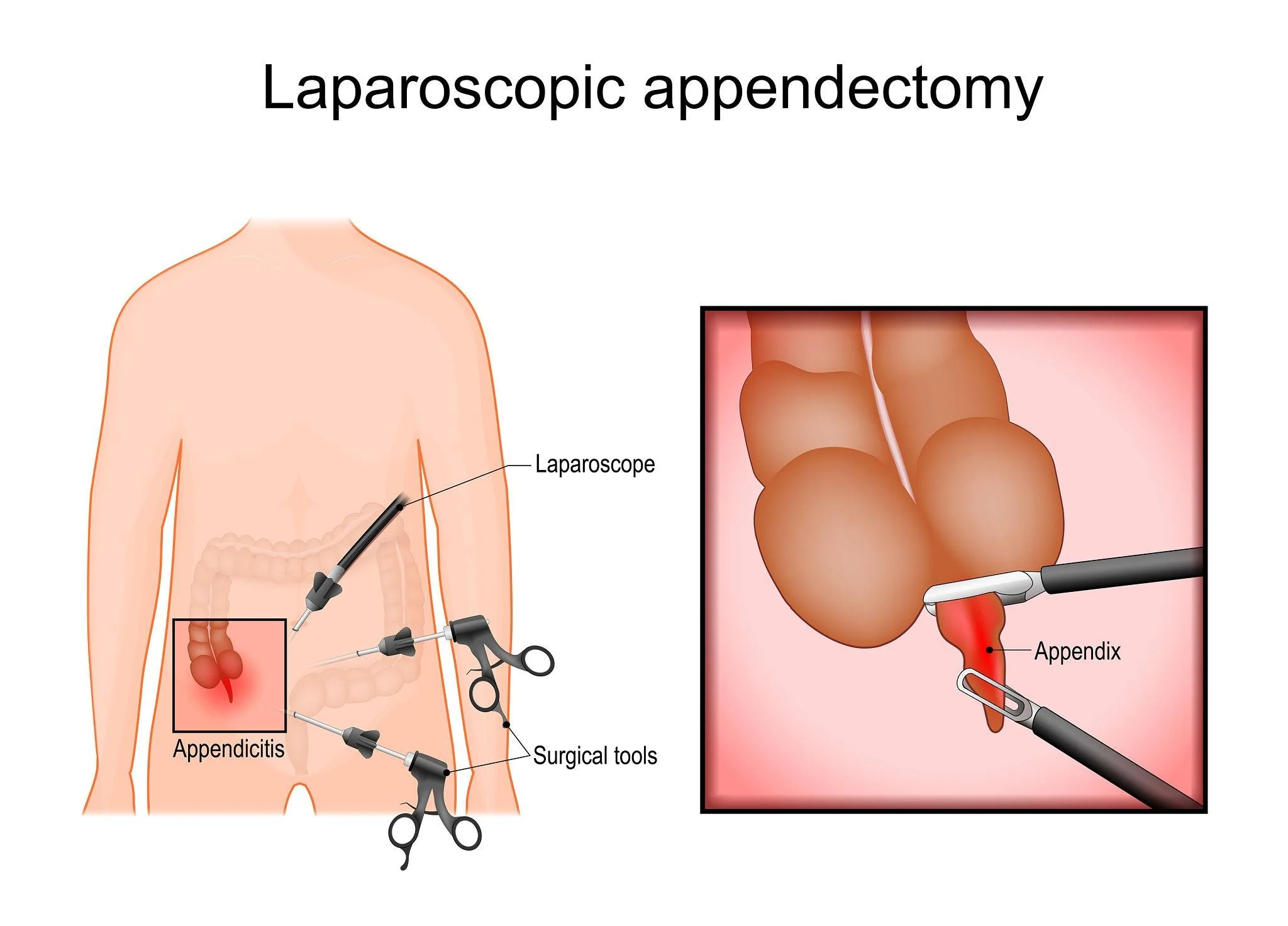
There are two types:
a) Laparoscopic Surgery
b) Open Surgery
Most people recover within 1–3 weeks depending on the severity.
After surgery:
Children and young adults usually recover quickly. Older adults may need more time.
Go to the emergency room immediately if:
Remember, appendicitis is not something you treat at home.
There is no guaranteed way to prevent appendicitis. However:
These may help reduce blockage risk.
Abdominal pain is common. But pain that moves to the lower right side and keeps worsening? That’s different.
Appendicitis symptoms often start small but escalate quickly. Recognizing the signs early can prevent complications and save lives.
If you or a loved one experiences symptoms, consult a doctor immediately. Early diagnosis leads to easier treatment and faster recovery.
Your health is not something to delay. Listen to your body. It often gives warning signs before serious trouble begins.
Discover precision diagnostics with Pathkind Labs, a trusted name in diagnostic services in India. Our NABL accredited labs, equipped with advanced technology, are staffed by a certified team of over 200+ senior pathologists and 2000+ technicians. From tailored health check-ups to specialized tests in Oncology, Neurology, Gynaecology, Nephrology, and more, we've got your health covered. Skip the hassle with online booking for tests or check-ups, available for both lab visits and at-home blood collection. For a seamless experience and early detection, choose Pathkind Labs in Gurugram. Book your appointment today and experience diagnostics made easy.
© 2026 Pathkind Diagnostics Pvt. Ltd. All Rights Reserved | Unsubscribe











 Track Sample
 Upload Prescription