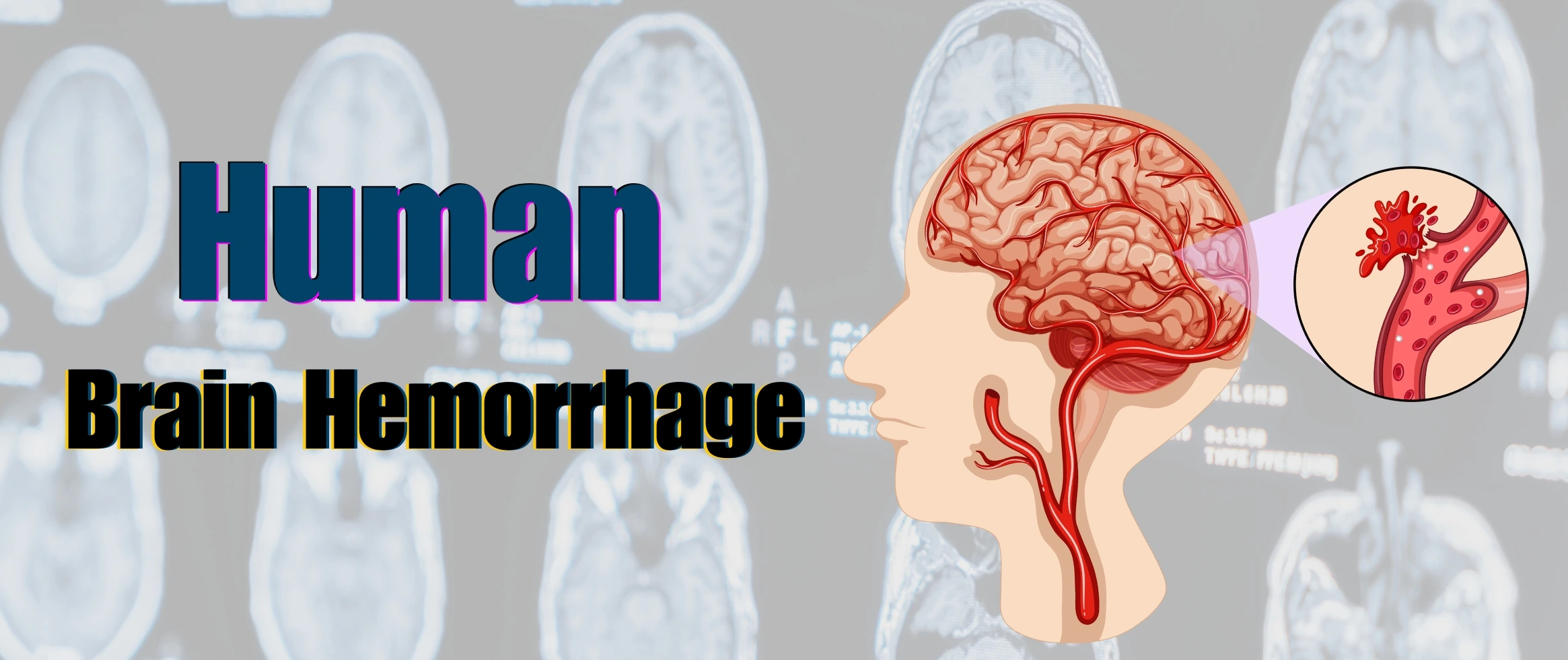
A brain hemorrhage is a serious medical condition where bleeding occurs inside or around the brain. It is a type of stroke, often referred to as a hemorrhagic stroke, and can quickly become life-threatening if not treated immediately.
Imagine a pipe bursting inside your home walls—water spreads and damages everything around it. Similarly, when a blood vessel in the brain ruptures, it leaks blood into surrounding brain tissues, damaging cells and increasing pressure inside the skull.
This pressure can affect brain function, leading to symptoms ranging from mild headaches to sudden loss of consciousness.
Understanding the different brain hemorrhage types can help identify the severity and location of the problem:
1. Intracerebral Hemorrhage
2. Subarachnoid Hemorrhage
3. Subdural Hemorrhage
4. Epidural Hemorrhage
Each type varies in severity, but all require urgent medical attention.
There are several brain hemorrhage causes, and understanding them can help in prevention.
Common Causes Include:
1. High Blood Pressure (Hypertension)
Chronic high blood pressure weakens blood vessels, making them more likely to rupture.
2. Head Injury or Trauma
Road accidents, falls, or sports injuries can lead to bleeding in the brain.
3. Aneurysm
A bulging blood vessel that can burst suddenly.
4. Blood Clotting Disorders
Conditions like hemophilia or use of blood thinners increase bleeding risk.
5. Brain Tumors
Certain tumors can lead to bleeding.
6. Smoking and Alcohol Abuse
These weaken blood vessels over time.
7. Age and Lifestyle Factors
Recognizing brain hemorrhage symptoms early can save lives. Symptoms may appear suddenly and worsen rapidly.
Common Symptoms:
If someone shows these signs, seek immediate medical help:
Time is critical - delays can lead to permanent brain damage or death.
Early diagnosis is crucial. Doctors may recommend:
Diagnostic Tests:
The goal of brain hemorrhage treatment is to stop bleeding, reduce pressure, and prevent complications.
1. Emergency Care
2. Medications
3. Surgery
In severe cases:
4. Rehabilitation
Recovery may involve:
Recovery depends on the severity, location of bleeding, and how quickly treatment begins.
Many people ignore early warning signs like headaches or high BP until it’s too late. Regular health checkups can help detect underlying risk factors.
Recommended Tests:
Pathkind Labs offers comprehensive health packages that can help detect risk factors like hypertension, diabetes, and cholesterol imbalance—key contributors to brain hemorrhage.
While not all cases are preventable, you can significantly reduce your risk.
Simple Prevention Tips:
Small lifestyle changes can make a big difference.
Recovery can be challenging. Some patients regain full function, while others may have long-term complications.
Possible Long-Term Effects:
Support from family, proper rehabilitation, and consistent medical care play a vital role in recovery.
Don’t wait for severe symptoms. Consult a doctor if you experience:
Early diagnosis can prevent life-threatening complications.
A brain hemorrhage is a medical emergency that requires immediate attention. The good news? Many cases can be prevented with awareness and early detection.
If you or your loved ones experience unusual symptoms, don’t ignore them. Regular health checkups, especially for blood pressure and cholesterol, can help you stay one step ahead.
Taking care of your brain health today can protect your future tomorrow.
Discover precision diagnostics with Pathkind Labs, a trusted name in diagnostic services in India. Our NABL accredited labs, equipped with advanced technology, are staffed by a certified team of over 200+ senior pathologists and 2000+ technicians. From tailored health check-ups to specialized tests in Oncology, Neurology, Gynaecology, Nephrology, and more, we've got your health covered. Skip the hassle with online booking for tests or check-ups, available for both lab visits and at-home blood collection. For a seamless experience and early detection, choose Pathkind Labs in Gurugram. Book your appointment today and experience diagnostics made easy.
© 2026 Pathkind Diagnostics Pvt. Ltd. All Rights Reserved | Unsubscribe











 Track Sample
 Upload Prescription