
Have you ever felt tired for no clear reason? Or experienced shortness of breath while climbing just one flight of stairs? Many people brush off these signs as stress or aging. But sometimes, these could be early cardiomyopathy symptoms.
Cardiomyopathy is a serious heart condition that affects the heart muscle. If ignored, it can lead to heart failure or life-threatening complications. The good news? Early detection and proper care can make a big difference.
In this detailed guide, we will explain the cardiomyopathy definition, common cardiomyopathy causes, warning signs to watch for, and available cardiomyopathy treatment options in simple language.
Cardiomyopathy is a disease of the heart muscle. In simple words, it means the heart becomes enlarged, thick, or stiff. When this happens, the heart cannot pump blood properly to the rest of the body.
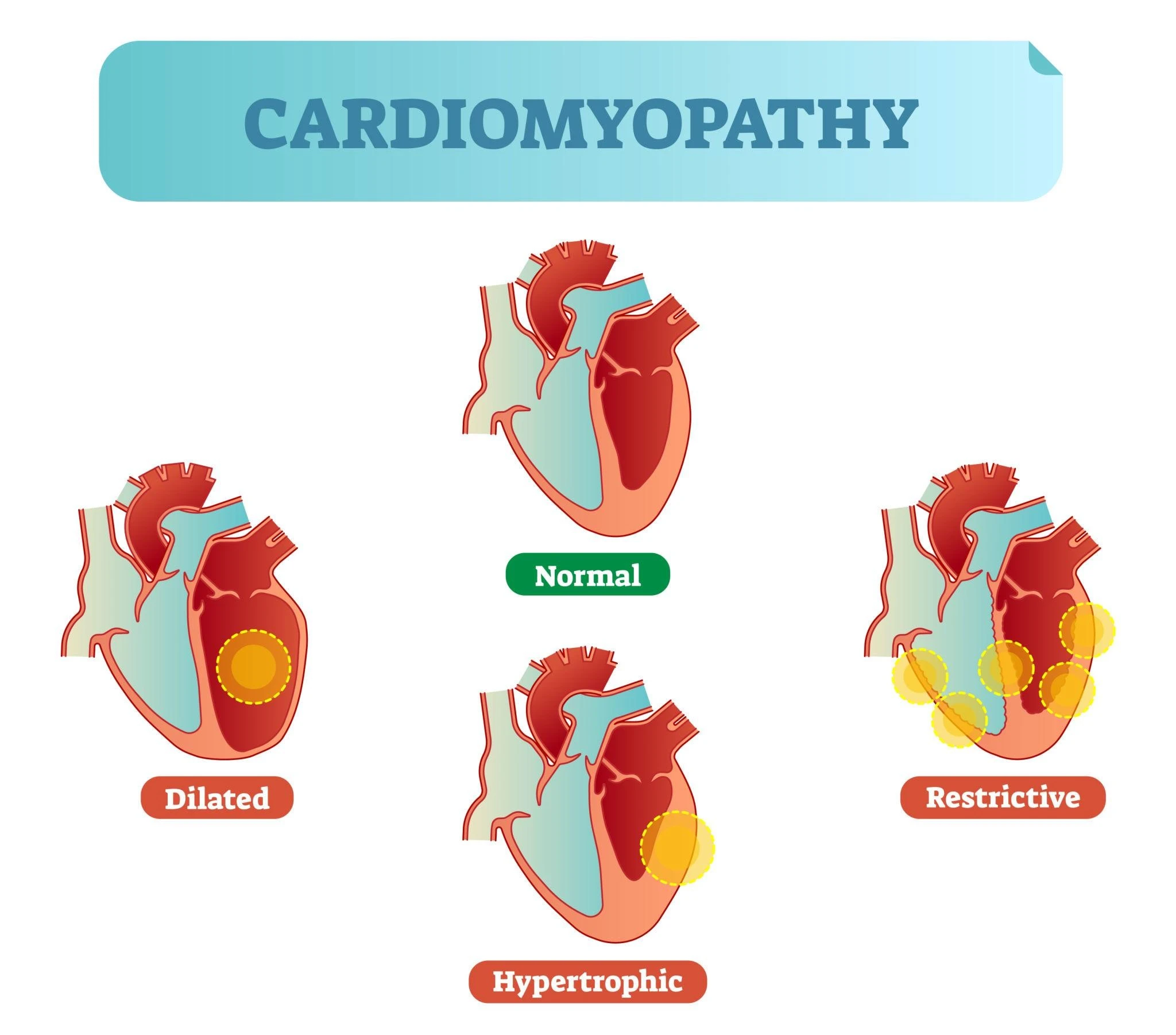
There are three main types:
1. Dilated Cardiomyopathy
The heart chambers become stretched and enlarged. This weakens the heart’s pumping ability.
2. Hypertrophic Cardiomyopathy
The heart muscle becomes abnormally thick. This makes it harder for the heart to pump blood.
3. Restrictive Cardiomyopathy
The heart muscle becomes stiff and less flexible, making it difficult for the heart to fill with blood.
No matter the type, the result is the same: the heart struggles to work efficiently.
Many people do not notice symptoms in the early stages. But as the condition worsens, signs become more obvious.
Here are the most common cardiomyopathy symptoms:
1. Shortness of Breath
You may feel breathless while walking, lying down, or even during rest.
2. Extreme Fatigue
Feeling tired all the time, even after enough sleep, can be an early warning sign.
3. Swelling in Legs, Ankles, and Feet
Fluid buildup due to poor heart pumping can cause noticeable swelling.
4. Chest Pain
Some people experience chest discomfort, especially during physical activity.
5. Irregular Heartbeat
You might feel fluttering, rapid, or pounding heartbeats.
6. Dizziness or Fainting
Reduced blood flow to the brain can cause fainting episodes.
If you experience more than one of these symptoms frequently, it is important to consult a doctor.
Understanding cardiomyopathy causes helps you take preventive steps.
Some common causes include:
Sometimes, doctors cannot identify the exact cause. This is known as idiopathic cardiomyopathy.
If you have conditions like diabetes, thyroid imbalance, or high cholesterol, regular blood testing can help detect risk early. Preventive health packages such as comprehensive cardiac profiles at Pathkind Labs can support early screening and monitoring.
You may be at higher risk of developing cardiomyopathy if:
Early lifestyle correction can significantly reduce your risk.
Doctors usually recommend:
Routine blood tests help detect conditions that increase heart stress. Comprehensive health packages such as the Healthkind packages at Pathkind Labs include lipid profile, thyroid tests, glucose testing, and CBC, which are helpful in identifying risk factors linked to cardiomyopathy.
Early diagnosis allows timely cardiomyopathy treatment, reducing complications.
There is no one-size-fits-all solution. Cardiomyopathy treatment depends on the type and severity.
1. Medications
Doctors may prescribe medicines to:
2. Medical Devices
In some cases:
3. Surgical Procedures
Severe cases may require surgery or heart transplant.
4. Lifestyle Changes
Lifestyle plays a huge role in managing cardiomyopathy:
Prevention and regular monitoring are powerful tools in protecting your heart.
This is one of the most common questions.
In most cases, cardiomyopathy cannot be completely cured. However, it can be managed effectively with:
Many patients live long and healthy lives when the condition is properly controlled.
Seek medical help immediately if you experience:
Do not ignore early cardiomyopathy symptoms. Your heart often gives subtle warnings before major problems appear.
Here are practical steps you can start today:
Small changes today can prevent serious complications tomorrow.
Your heart works 24/7 without taking a break. It deserves attention and care.
Cardiomyopathy may sound scary, but early awareness of cardiomyopathy symptoms, understanding its causes, and starting timely cardiomyopathy treatment can significantly improve outcomes.
If you have risk factors or experience unusual symptoms, consider getting your heart health evaluated. Preventive health packages and routine blood tests can help detect underlying issues early and give you peace of mind.
Your health is your responsibility. Listen to your body. Protect your heart.
Discover precision diagnostics with Pathkind Labs, a trusted name in diagnostic services in India. Our NABL accredited labs, equipped with advanced technology, are staffed by a certified team of over 200+ senior pathologists and 2000+ technicians. From tailored health check-ups to specialized tests in Oncology, Neurology, Gynaecology, Nephrology, and more, we've got your health covered. Skip the hassle with online booking for tests or check-ups, available for both lab visits and at-home blood collection. For a seamless experience and early detection, choose Pathkind Labs in Gurugram. Book your appointment today and experience diagnostics made easy.
© 2026 Pathkind Diagnostics Pvt. Ltd. All Rights Reserved | Unsubscribe











 Track Sample
 Upload Prescription