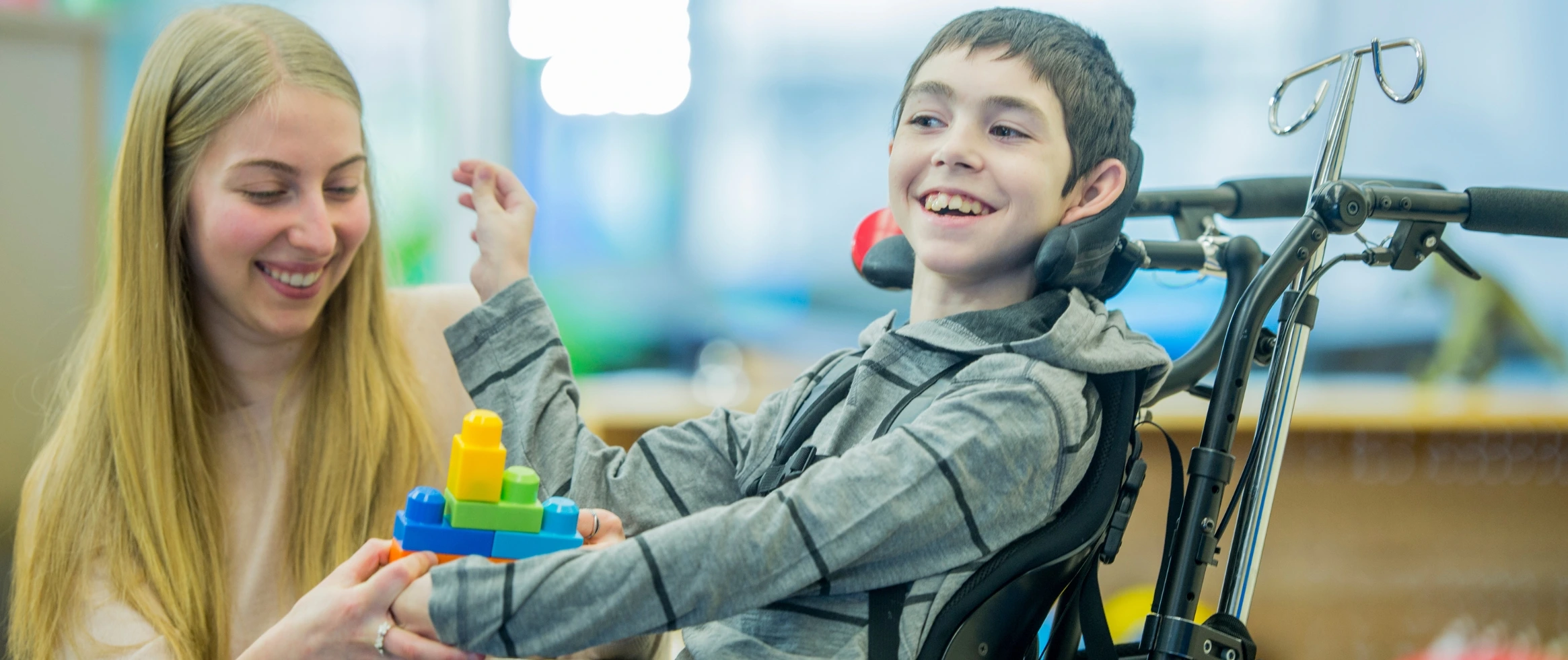
When a child takes longer to sit, crawl, or walk, parents naturally begin to worry. Some children may seem unusually stiff, while others may appear floppy or struggle with balance and movement. In many cases, these signs may point toward a condition called cerebral palsy.
Hearing the words “cerebral palsy” can feel overwhelming for families. Questions like “Will my child walk normally?” or “Can it be treated?” often come rushing in. The good news is that with early diagnosis, therapy, and the right medical support, many children with cerebral palsy can live active and meaningful lives.
In this guide, we’ll explain everything you need to know about cerebral palsy in simple language -including cerebral palsy symptoms, cerebral palsy causes, types of cerebral palsy, diagnosis, and available cerebral palsy treatment options.
Cerebral palsy is a group of neurological disorders that affects movement, muscle tone, posture, and coordination. It happens because of damage to the developing brain, usually before birth, during birth, or shortly after birth.
The word:
Cerebral palsy is not contagious and usually does not get worse over time. However, the symptoms may change as a child grows.
Some children have mild symptoms and can live independently, while others may need lifelong support for daily activities.
Cerebral palsy is one of the most common childhood physical disabilities worldwide. It can affect children of any gender, ethnicity, or economic background.
In India, awareness about developmental disorders is increasing, but many parents still miss the early warning signs. Delayed diagnosis can slow down early intervention, which is extremely important for improving mobility and quality of life.
The signs of cerebral palsy can vary from child to child. Some symptoms appear during infancy, while others become noticeable as developmental milestones are delayed.
1. Delayed Development
A baby may:
2. Muscle Stiffness or Floppiness
Some children may have:
3. Poor Balance and Coordination
Children may:
4. Abnormal Body Posture
You may notice:
5. Difficulty Speaking or Swallowing
Some children may have:
6. Involuntary Movements
Uncontrolled body movements or shaking may occur in some types of cerebral palsy.
7. Learning Difficulties
Not all children with cerebral palsy have intellectual disabilities, but some may experience:
Parents are often the first to notice that “something doesn’t feel right.” Trusting those instincts can make a big difference.
Signs in Babies Under 6 Months
Signs Between 6–10 Months
Signs After 10 Months
If you notice these signs, it’s important to consult a pediatrician or neurologist early.
Many parents wonder what causes cerebral palsy. In reality, several factors can affect brain development during pregnancy, delivery, or early infancy.
Before Birth
During Birth
After Birth
In many cases, the exact cause may not be fully known.
Doctors classify cerebral palsy based on how movement is affected.
1. Spastic Cerebral Palsy
This is the most common type.
Symptoms include:
Types of Spastic Cerebral Palsy
2. Dyskinetic Cerebral Palsy
This type causes:
3. Ataxic Cerebral Palsy
Children may experience:
4. Mixed Cerebral Palsy
Some children show symptoms of more than one type.
There is no single test for cerebral palsy. Doctors usually diagnose it through:
Tests That May Help
Early diagnosis helps begin therapies sooner, which can significantly improve outcomes.
Currently, there is no complete cure for cerebral palsy. However, early and consistent treatment can help children improve movement, independence, and confidence.
1. Physical Therapy
This helps improve:
Many children begin physiotherapy at a very young age.
2. Occupational Therapy
Occupational therapy helps children perform daily tasks like:
3. Speech Therapy
Helpful for children with:
4. Medicines
Doctors may prescribe medications to:
5. Assistive Devices
Children may benefit from:
6. Surgery
In some severe cases, surgery may help improve mobility or reduce muscle stiffness.
Early therapy can make a huge difference in a child’s life. The developing brain has a better ability to adapt during early childhood.
Children who receive timely support often:
For parents, the journey can feel emotionally and financially exhausting at times. But small improvements -like taking a first step or speaking a new word -become powerful milestones worth celebrating.
Not all cases can be prevented, but certain steps may reduce the risk.
Prevention Tips
Premature babies and low-birth-weight babies may require extra monitoring after birth.
Children with cerebral palsy can attend school, build friendships, and enjoy fulfilling lives with the right support.
Parents often worry about the future, but many adults with cerebral palsy go on to:
Support from family, teachers, therapists, and healthcare professionals plays a major role in building confidence and independence.
Consult a doctor if your child:
Early evaluation can help identify developmental concerns before symptoms worsen.
Developmental disorders often require detailed neurological assessment and long-term monitoring. Diagnostic evaluations, imaging tests, and pediatric consultations help doctors understand the severity and guide treatment planning.
Pathkind Labs offers a wide range of diagnostic services that support neurological and developmental health assessments through advanced laboratory and imaging support at various centers across India.
Cerebral palsy is a lifelong condition, but it does not define a child’s potential. Early diagnosis, supportive therapies, and consistent care can help children develop important life skills and improve independence.
For parents, noticing developmental delays can be stressful and emotional. But seeking help early is one of the strongest steps you can take for your child’s future. With the right medical care, therapy, patience, and encouragement, children with cerebral palsy can continue to learn, grow, and thrive.
Discover precision diagnostics with Pathkind Labs, a trusted name in diagnostic services in India. Our NABL accredited labs, equipped with advanced technology, are staffed by a certified team of over 200+ senior pathologists and 2000+ technicians. From tailored health check-ups to specialized tests in Oncology, Neurology, Gynaecology, Nephrology, and more, we've got your health covered. Skip the hassle with online booking for tests or check-ups, available for both lab visits and at-home blood collection. For a seamless experience and early detection, choose Pathkind Labs in Gurugram. Book your appointment today and experience diagnostics made easy.
© 2026 Pathkind Diagnostics Pvt. Ltd. All Rights Reserved | Unsubscribe











 Track Sample
 Upload Prescription