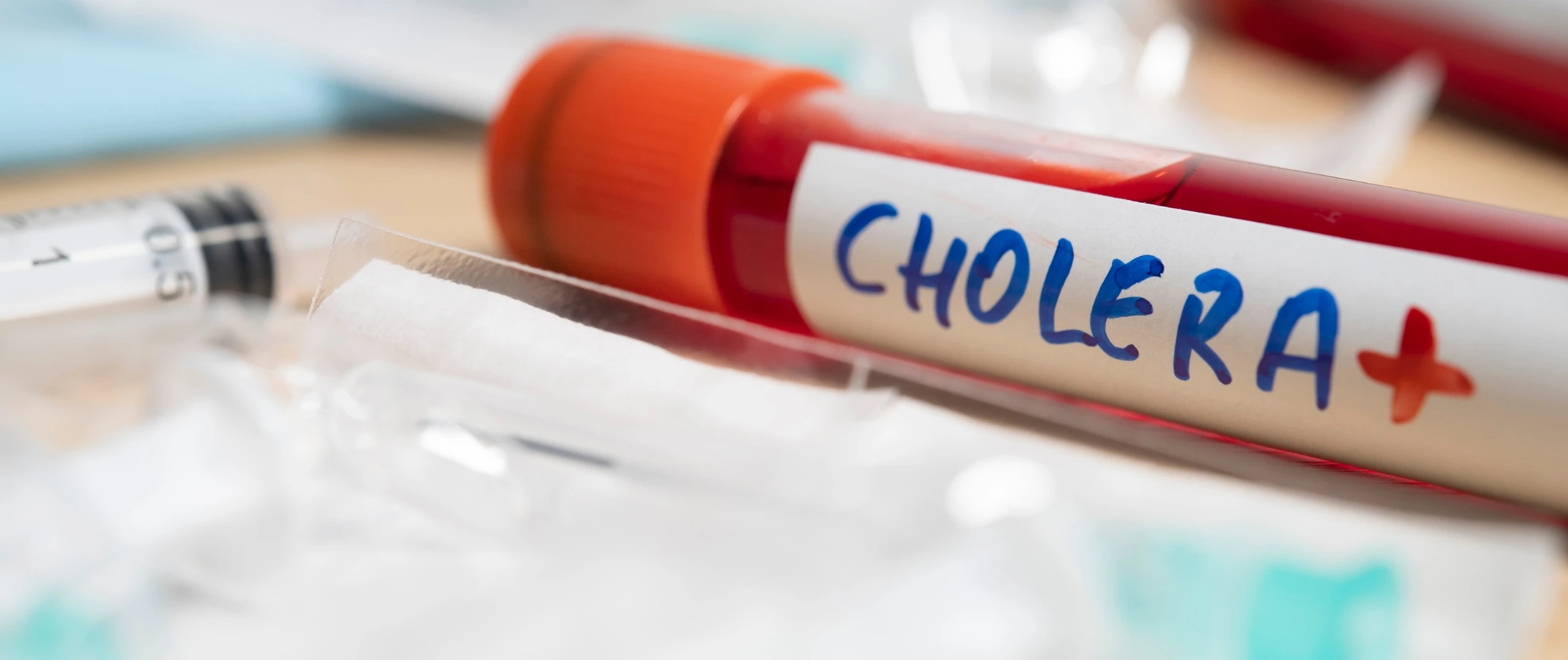
Cholera is one of those illnesses people often hear about during outbreaks, floods, or travel warnings, but many do not fully understand what it is. The truth is simple and serious: cholera is a bacterial infection that can cause sudden, severe watery diarrhea and dangerous dehydration. Without quick treatment, it can become life-threatening within hours. With proper treatment, however, most people recover well.
If you have ever wondered cholera is caused by what, how to spot cholera symptoms, or what cholera treatment actually involves, this guide breaks it down in a clear and practical way.
Cholera is an acute diarrheal disease caused by infection with the bacterium Vibrio cholerae. People usually get infected after drinking water or eating food contaminated with the bacteria, especially in places where sanitation and clean water access are poor.
Cholera does not usually spread easily through casual person-to-person contact. Instead, it spreads mainly through contaminated water, unsafe food, and poor hygiene conditions. This is why cholera outbreaks are more likely in areas affected by overcrowding, poor sewage systems, conflict, floods, or disasters.
A very common question is: cholera is caused by what?
Cholera is caused by the bacterium Vibrio cholerae. Once this bacterium enters the body, it produces a toxin in the intestine. That toxin causes the body to release large amounts of water and salts into the gut, leading to profuse watery diarrhea.
Common Ways Cholera Spreads
Here are the most common sources of infection:
In real life, the disease often spreads fastest where people cannot safely boil water, wash hands properly, or separate sewage from drinking water. That is why cholera prevention is closely tied to water safety and sanitation.
Anyone can get cholera, but some people face a higher risk, including:
This is one reason public health experts focus so much on clean water, toilets, and handwashing. These are not just “good habits.” In cholera-prone settings, they can save lives.
One tricky part about cholera is that many infected people may have mild symptoms or no symptoms at all. But some develop sudden, severe illness. According to the World Health Organization, most people have no or mild symptoms, while severe cases can become dangerous very quickly.
Early Cholera Symptoms
Common cholera symptoms include:
The diarrhea in cholera is often described as very watery and heavy. People may lose large amounts of fluid in a short time.
Severe Cholera Symptoms
If the body loses too much water and salts, dehydration can become severe. Warning signs include:
In severe cases, untreated dehydration can lead to kidney failure, shock, coma, and death.
This is the part readers should never ignore.
Get urgent medical help right away if someone has:
Cholera can worsen fast. Waiting too long is risky. The good news is that early treatment works very well.
When people search online for cholera treatment, the most important answer is this: replace lost fluids and electrolytes immediately.
The Centers for Disease Control and Prevention states that rehydration therapy is the most important treatment for cholera. With timely rehydration, more than 99% of patients survive.
1. Oral Rehydration Solution (ORS)
For mild to moderate dehydration, oral rehydration solution is the first step. ORS helps replace water and essential salts lost through diarrhea and vomiting. WHO and CDC both emphasize ORS as a key part of treatment.
This may sound simple, but it is incredibly effective. In many cases, quick access to ORS makes the difference between recovery and emergency hospitalization.
2. Intravenous (IV) Fluids
If the patient is severely dehydrated or unable to drink enough fluids, IV fluids are often needed in a hospital or emergency care setting.
3. Electrolyte Replacement
Cholera causes loss of salts like sodium and potassium along with water. Rehydration plans often include electrolyte correction, especially in severe illness.
4. Antibiotics
Antibiotics are not the first step for everyone, but they may be used in severe cholera to reduce the duration of diarrhea and bacterial shedding. WHO and CDC note that severe cases may need antibiotics along with rehydration.
5. Zinc for Children
In some treatment settings, zinc may be recommended for children with acute diarrhea to support recovery, based on clinical guidance. While rehydration remains the main focus, pediatric diarrhea care often includes zinc depending on the case and local medical advice. For children, treatment decisions should always follow a doctor’s advice.
Mild diarrhea should never be taken lightly if cholera is possible. A person may start at home with ORS and safe fluids, but they should still seek prompt medical evaluation if symptoms are severe, persistent, or linked to a known outbreak or recent travel.
Home care is not enough if the person has:
Doctors may suspect cholera based on symptoms, dehydration, travel history, outbreak exposure, and stool pattern. In many settings, diagnosis is confirmed by stool testing for Vibrio cholerae. During outbreaks, public health teams may also use rapid testing and lab confirmation.
In patients with severe diarrhea, doctors may also assess dehydration, kidney function, and electrolyte balance. If your clinician recommends lab tests to evaluate the impact of severe diarrhea or dehydration, timely diagnostic support matters. Pathkind Labs can support doctor-prescribed diagnostic testing where clinically advised, helping patients follow up quickly on essential health parameters.
When it comes to cholera prevention, clean water and sanitation are the long-term solutions. WHO clearly states that safe drinking water, sanitation, hygiene, and oral cholera vaccination are key tools for prevention.
Drink Safe Water
Use water that is:
Also use safe water for:
Practice Good Hand Hygiene
Wash hands thoroughly with soap and safe water:
Eat Food Safely
Use Safe Sanitation
Safe disposal of stool and proper sewage handling are critical to stop transmission. Cholera spreads fast when human waste contaminates water sources.
Vaccination
Oral cholera vaccines are used in some high-risk areas and for selected travelers, depending on destination and risk. Vaccination can help, but it does not replace safe water, hygiene, and sanitation.
Children and older adults can become dehydrated faster than healthy adults. That is why sudden watery diarrhea in these age groups should be taken seriously. Parents sometimes assume a child’s diarrhea is “just something they ate,” but if dehydration starts, the situation can change quickly.
Watch for:
These signs call for urgent medical attention.
Yes, cholera is treatable, and most patients recover when treatment begins early. This is one of the most important facts people should know. Cholera sounds frightening, and it can be, but with rapid rehydration and proper care, survival is very high. The danger usually comes from delayed treatment, not from the infection being impossible to manage.
A Simple Way to Remember Cholera
If you want a simple way to think about cholera, remember this:
Cholera causes sudden fluid loss. Treatment means fast fluid replacement. Prevention means safe water and hygiene.
That one line captures the heart of the disease.
Cholera remains a serious health problem in many parts of the world, especially where clean water and sanitation are not reliable. It is caused by Vibrio cholerae and spreads mainly through contaminated food and water. The biggest danger is severe dehydration from rapid fluid loss. But cholera treatment is highly effective when started early, especially with oral rehydration solution, IV fluids when needed, and medical care for severe cases.
Knowing the warning signs matters. Knowing cholera prevention matters even more. Safe water, clean food, handwashing, sanitation, and quick treatment can save lives.
Discover precision diagnostics with Pathkind Labs, a trusted name in diagnostic services in India. Our NABL accredited labs, equipped with advanced technology, are staffed by a certified team of over 200+ senior pathologists and 2000+ technicians. From tailored health check-ups to specialized tests in Oncology, Neurology, Gynaecology, Nephrology, and more, we've got your health covered. Skip the hassle with online booking for tests or check-ups, available for both lab visits and at-home blood collection. For a seamless experience and early detection, choose Pathkind Labs in Gurugram. Book your appointment today and experience diagnostics made easy.
© 2026 Pathkind Diagnostics Pvt. Ltd. All Rights Reserved | Unsubscribe











 Track Sample
 Upload Prescription