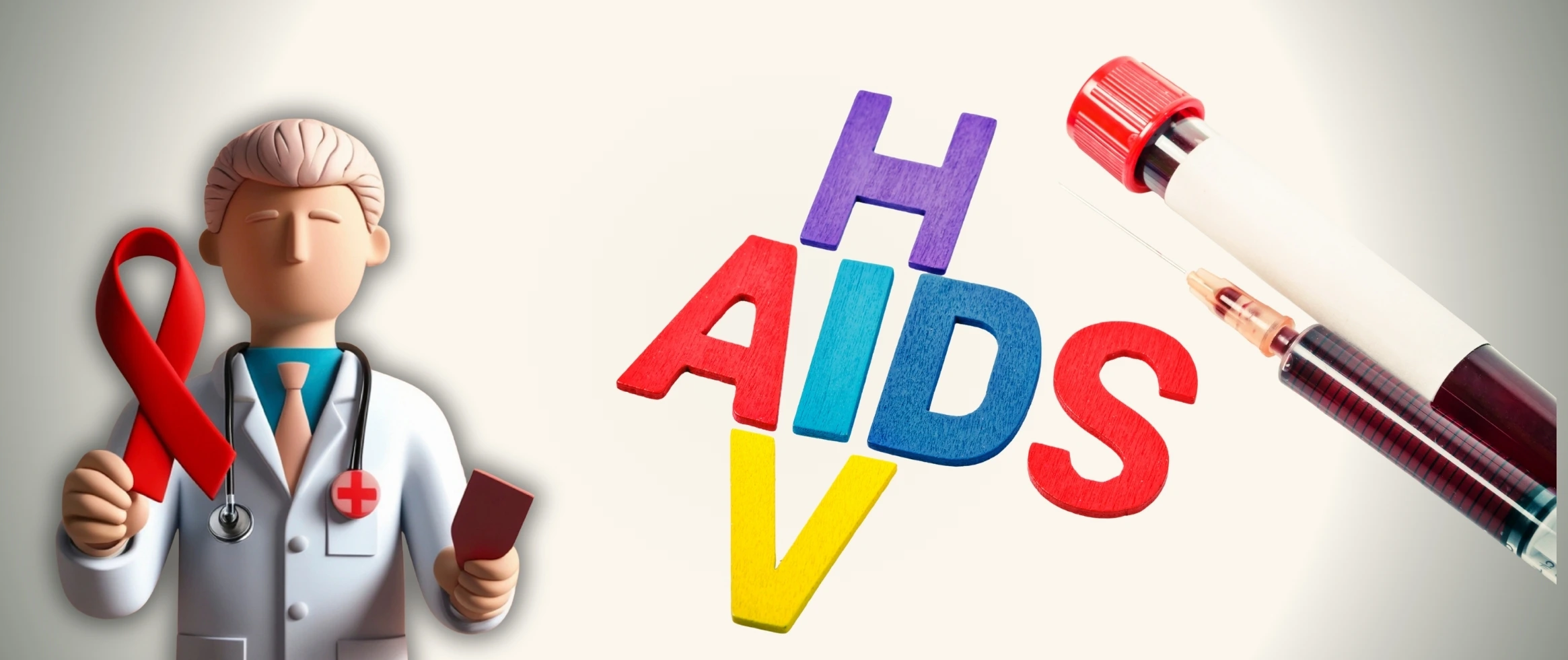
Many people still use the terms HIV and AIDS as if they mean the same thing. But they are not the same. Understanding the difference between HIV and AIDS is important because awareness can help prevent infection, encourage early diagnosis, and reduce fear and stigma.
Even today, many people avoid getting tested because they are scared or confused. Some think HIV always leads to death. Others believe it spreads through touching, sharing food, or casual contact. These myths create unnecessary panic and discrimination.
The truth is that medical science has advanced a lot. Today, people living with HIV can live long, healthy lives with proper treatment and regular monitoring.
In this blog, we will explain:
Let’s understand everything in simple words.
The term HIV stands for Human Immunodeficiency Virus. It is a virus that attacks the body’s immune system, especially the CD4 cells (also called T cells), which help the body fight infections.
When HIV enters the body, it slowly weakens the immune system over time. If left untreated, the body becomes vulnerable to serious infections and diseases.
However, HIV can now be managed effectively with medicines called ART (Antiretroviral Therapy).
Important Fact:
Having HIV does not mean a person has AIDS.
AIDS stands for Acquired Immunodeficiency Syndrome. It is the most advanced stage of HIV infection.
A person develops AIDS when:
At this stage, even common infections can become dangerous.
Not everyone with HIV develops AIDS. With proper treatment, many people with HIV never reach the AIDS stage.
Here is a simple comparison to understand the difference between HIV and AIDS:
In simple words:
HIV is the cause
AIDS is the advanced condition caused by untreated HIV
Understanding how HIV spreads is important for prevention.
HIV can spread through:
1. Unprotected Sexual Contact
This is one of the most common causes of HIV transmission.
2. Sharing Needles or Syringes
Using infected needles can transfer the virus directly into the bloodstream.
3. Infected Blood Transfusion
Though blood is screened carefully today, unsafe blood transfusions may spread HIV.
4. Mother-to-Child Transmission
HIV can pass from mother to baby during:
5. Unsafe Medical Procedures
Using unsterilized medical equipment may increase risk.
Many myths still exist about HIV. It does NOT spread through:
Creating awareness helps reduce discrimination against people living with HIV.
In the early stages, HIV symptoms can look like common flu symptoms. Some people may not notice symptoms at all for years.
These symptoms usually appear within 2–4 weeks after infection in some people.
After early symptoms, HIV may remain silent for years. During this time:
That is why regular testing is important for high-risk individuals.
When HIV progresses without treatment, AIDS symptoms may develop.
At this stage, the body struggles to fight infections.
Stage 1: Acute HIV Infection
Stage 2: Chronic HIV Infection
Stage 3: AIDS
Early diagnosis can prevent progression to AIDS.
Some people have a higher chance of HIV exposure, including:
Regular testing is important for people in high-risk groups.
The only way to confirm HIV is through testing.
Common HIV Tests
Doctors may also recommend:
These tests help monitor the immune system and treatment effectiveness.
Many people delay testing because they fear social judgment. But early diagnosis can:
Routine health screening and timely blood tests can support early disease detection and immune health monitoring.
There is currently no complete cure for HIV, but treatment can control the virus effectively.
ART (Antiretroviral Therapy)
ART medicines:
With regular treatment:
Importance of Regular Monitoring
People living with HIV may need periodic tests to monitor:
Comprehensive health checkups and infection monitoring panels can help track overall health during long-term treatment.
The good news is that HIV is preventable.
1. Practice Safe Sex
Use condoms correctly during sexual activity.
2. Avoid Sharing Needles
Always use sterile needles and syringes.
3. Regular Testing
Get tested if you are sexually active or at risk.
4. Screened Blood Transfusion
Ensure blood products are tested properly.
5. Prevention During Pregnancy
Pregnant women with HIV can reduce transmission risk through treatment.
6. Awareness and Education
Correct information helps reduce stigma and encourages prevention.
Currently, there is no permanent cure for HIV. However:
Research for vaccines and cures is ongoing worldwide.
Emotional Impact of HIV
Receiving an HIV diagnosis can feel overwhelming. Many people experience:
Support from family, healthcare professionals, and counseling can make a huge difference.
Awareness and compassion are equally important as medical treatment.
You should consider HIV testing if:
Early testing saves lives.
Understanding the difference between HIV and AIDS can help reduce fear, myths, and stigma. HIV is a virus, while AIDS is the advanced stage that may develop if HIV remains untreated.
The most important things are:
Modern treatment has transformed HIV from a life-threatening disease into a manageable long-term condition for many people.
If you notice persistent symptoms or think you may be at risk, consult a healthcare professional and get tested early. Awareness and timely care can make a life-changing difference.
Discover precision diagnostics with Pathkind Labs, a trusted name in diagnostic services in India. Our NABL accredited labs, equipped with advanced technology, are staffed by a certified team of over 200+ senior pathologists and 2000+ technicians. From tailored health check-ups to specialized tests in Oncology, Neurology, Gynaecology, Nephrology, and more, we've got your health covered. Skip the hassle with online booking for tests or check-ups, available for both lab visits and at-home blood collection. For a seamless experience and early detection, choose Pathkind Labs in Gurugram. Book your appointment today and experience diagnostics made easy.
© 2026 Pathkind Diagnostics Pvt. Ltd. All Rights Reserved | Unsubscribe











 Track Sample
 Upload Prescription