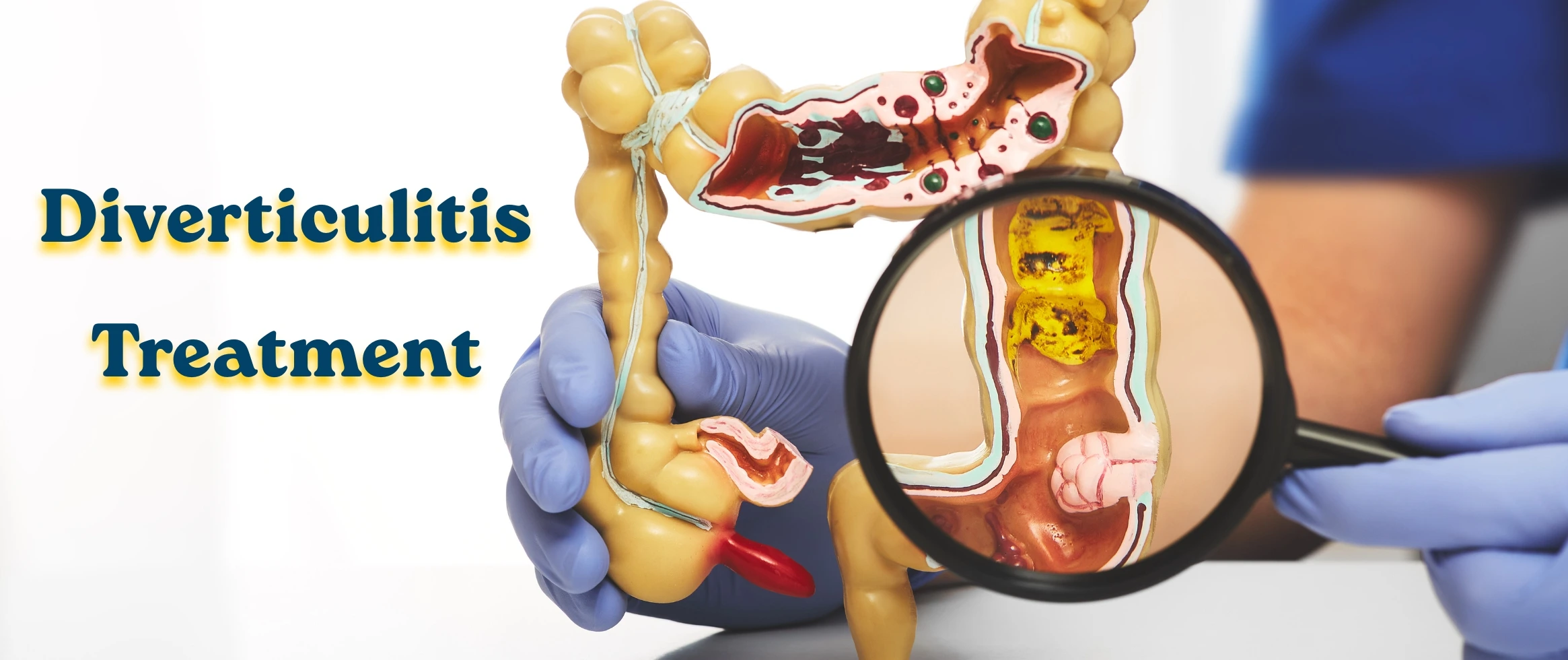
Stomach pain that refuses to go away, bloating after meals, fever, or sudden digestive discomfort can sometimes point toward a condition many people have never heard of — diverticulitis. It often starts quietly, but when ignored, it can become painful and serious.
Many people confuse it with regular gas, acidity, or indigestion. But diverticulitis is different. It affects the digestive tract, especially the large intestine, and can interfere with daily life if not treated properly.
The good news is that with early diagnosis, proper care, and healthy lifestyle changes, most people recover well. Understanding the condition can help you manage symptoms before complications develop.
In this article, we’ll explain what is diverticulitis, its warning signs, common causes, and the most effective diverticulitis treatment options available today.
Diverticulitis is a digestive condition where small pouches called diverticula become inflamed or infected. These pouches usually form in the walls of the large intestine (colon), especially as people age.
Having these small pouches alone is called diverticulosis, and many people may not even know they have it. However, when these pouches get swollen or infected, it becomes diverticulitis.
The condition can range from mild discomfort to severe abdominal pain requiring medical attention.
Simple Example to Understand It
Imagine tiny weak spots in a balloon. Over time, pressure creates small bulges. Similarly, pressure inside the colon can create pouch-like structures. If food particles or bacteria get trapped inside them, irritation and infection may develop.
The symptoms can appear suddenly or gradually. Some people experience mild discomfort, while others may develop severe pain.
In some cases, the pain becomes intense enough to make walking or bending difficult.
When Symptoms Become Serious
Seek immediate medical help if you experience:
Ignoring these signs may lead to complications such as abscesses, intestinal blockage, or perforation of the colon.
There is no single cause, but several factors increase the risk of developing diverticulitis.
Common Diverticulitis Causes
1. Low-Fiber Diet
A diet low in fiber can lead to constipation and increased pressure inside the colon.
2. Aging
The condition is more common after age 40 because the colon walls weaken over time.
3. Lack of Physical Activity
Sedentary lifestyles may slow digestion and increase intestinal pressure.
4. Obesity
Excess body weight increases inflammation and digestive stress.
5. Smoking
Smoking is linked to higher digestive inflammation and complications.
6. Certain Medications
Frequent use of painkillers like NSAIDs may increase risk.
7. Family History
Genetics can also play a role in some individuals.
Doctors usually diagnose diverticulitis based on symptoms, physical examination, and medical tests.
Common Diagnostic Tests
Because abdominal pain can happen due to several conditions, proper diagnosis is important.
Importance of Timely Testing
Digestive symptoms are often ignored until they worsen. Regular health checkups and timely testing can help detect inflammation and infections early.
Pathkind Labs offers advanced diagnostic support, including blood tests and preventive health packages that help evaluate overall digestive and inflammatory health.
The right diverticulitis treatment depends on how severe the condition is. Mild cases may improve with rest and dietary changes, while severe infections may require hospitalization.
Let’s understand the main treatment approaches.
1. Resting the Digestive System
During flare-ups, doctors often recommend giving the intestines time to heal.
Recommended Diet During Acute Diverticulitis
Initially, patients may be advised to consume:
This temporary liquid diet reduces pressure on the colon.
As symptoms improve, soft foods are slowly reintroduced.
2. Antibiotics for Infection
If infection is present, antibiotics are commonly prescribed.
These medicines help control bacterial growth and reduce inflammation.
It is important to complete the full course even if symptoms improve earlier.
3. Pain Management
Doctors may recommend pain relief medicines that are gentle on the stomach.
However, some painkillers can worsen digestive irritation, so self-medication should be avoided.
4. High-Fiber Diet After Recovery
Once inflammation settles, a fiber-rich diet becomes very important.
Fiber helps soften stool and reduce pressure inside the colon.
Foods That May Help
Foods Often Limited During Recovery
Some people may temporarily avoid:
Every person reacts differently, so dietary adjustments should be personalized.
5. Hydration Matters
Drinking enough water is essential when increasing fiber intake.
Without proper hydration, constipation can worsen.
Aim for adequate fluid intake throughout the day unless restricted by your doctor.
6. Lifestyle Changes for Long-Term Relief
Small daily habits can significantly improve digestive health.
Helpful Lifestyle Changes
Stress and poor routines can sometimes worsen digestive symptoms.
7. Surgery in Severe Cases
Not everyone with diverticulitis needs surgery. However, it may be necessary if complications occur repeatedly.
Surgery May Be Needed For:
The damaged portion of the intestine may be removed surgically.
Modern surgical methods are often minimally invasive and offer faster recovery.
While prevention is not always guaranteed, healthy habits may reduce risk.
Tips to Reduce Risk
Taking care of gut health early can help prevent several digestive disorders later.
Best Foods During Recovery
Foods Often Avoided During Flare-Ups
Digestive conditions can affect more than physical health.
People with repeated stomach pain often feel:
Many patients say they avoid outings or eating outside because they worry about flare-ups. This emotional burden is real and should not be ignored.
The good part is that with proper treatment, many people return to normal daily activities.
Consult a healthcare professional if you notice:
Early diagnosis can prevent serious complications.
Digestive disorders often develop slowly. Regular screening and health monitoring help identify hidden inflammation or nutritional imbalances early.
Preventive health packages from Pathkind Labs can help monitor important health markers related to infection, inflammation, liver health, kidney function, and overall wellness.
Early awareness often leads to better treatment outcomes.
Digestive health is something many people take for granted until discomfort begins affecting everyday life. Diverticulitis may sound frightening, but most cases can be managed successfully with timely care, healthy eating habits, hydration, and proper medical guidance.
Listening to your body matters. Persistent stomach pain, fever, or digestive changes should never be ignored.
With the right diverticulitis treatment, lifestyle changes, and preventive care, many people live healthy and comfortable lives without repeated flare-ups.
Discover precision diagnostics with Pathkind Labs, a trusted name in diagnostic services in India. Our NABL accredited labs, equipped with advanced technology, are staffed by a certified team of over 200+ senior pathologists and 2000+ technicians. From tailored health check-ups to specialized tests in Oncology, Neurology, Gynaecology, Nephrology, and more, we've got your health covered. Skip the hassle with online booking for tests or check-ups, available for both lab visits and at-home blood collection. For a seamless experience and early detection, choose Pathkind Labs in Gurugram. Book your appointment today and experience diagnostics made easy.
© 2026 Pathkind Diagnostics Pvt. Ltd. All Rights Reserved | Unsubscribe











 Track Sample
 Upload Prescription