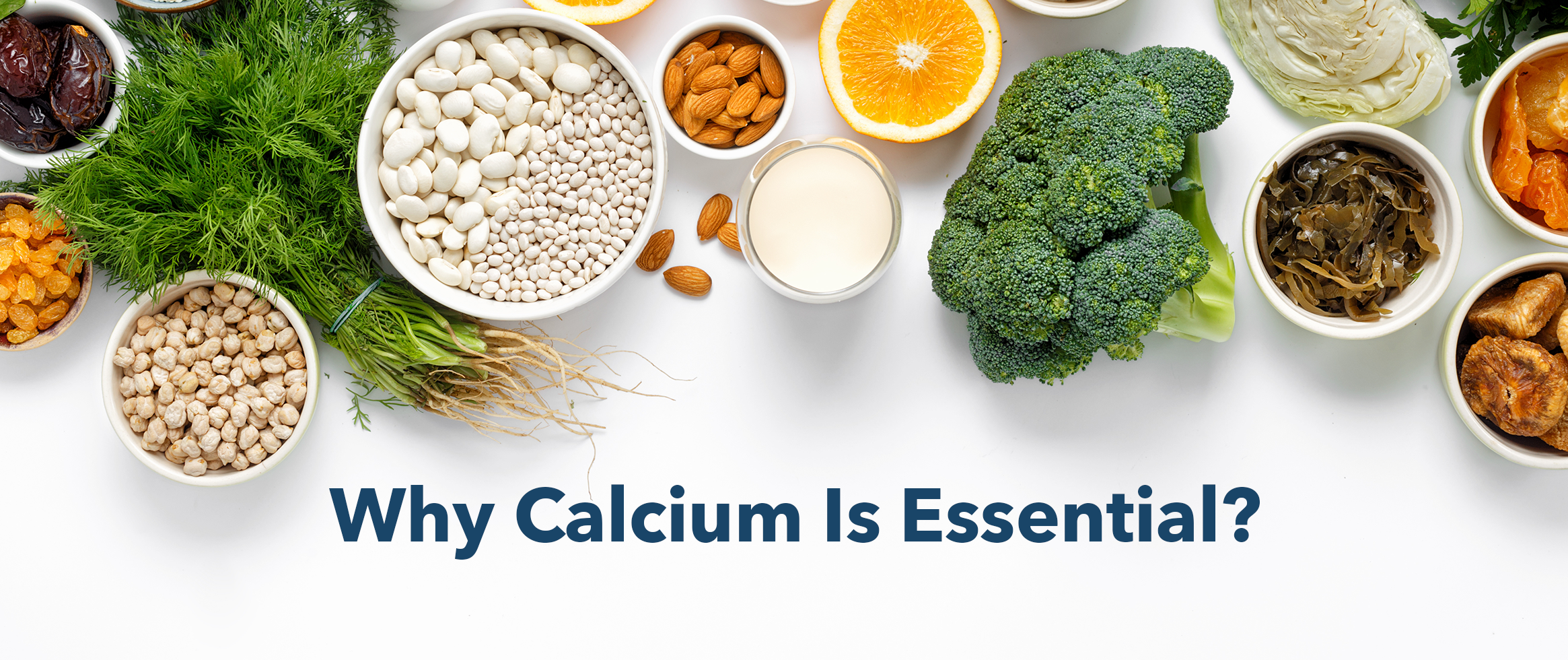
Many of us take calcium for granted, just “drink a glass of milk” or “take a supplement.” But how much calcium per day do you really need? What happens if you don’t get enough (or too much)? In this guide, we explain how much calcium is needed daily, the benefits of calcium, signs of deficiency, safe upper limits, and practical tips to meet your calcium needs.
Calcium is the most abundant mineral in your body. While about 99% is stored in bones and teeth, the remaining 1% plays vital roles in:
Too little or too much calcium in the bloodstream can disrupt these processes. The body tightly regulates blood calcium levels, sometimes borrowing from bone stores to maintain balance , which over time can weaken bones.
Thus, adequate calcium intake is critical not only for bone health but for overall physiological stability.
To answer “how much calcium per day?”, guidelines consider age, sex, life stage, and health conditions. Here’s a commonly accepted reference range:
*These values include calcium from both food and supplements. Always consult your doctor if you have specific health issues (e.g. kidney disease, hyperparathyroidism).
Some caveats:
Thus, when someone asks “how much calcium is required per day?”, the answer isn’t one single number , it depends on your life stage.
Here’s what adequate calcium intake supports:
1. Strong bones and reduced risk of fractures
Getting enough calcium helps your body maintain bone mass and reduce osteoporosis risk over time.
2. Support for muscles and nerves
It enables efficient muscle contraction (including the heart) and nerve signal transmission.
3. Blood pressure regulation
Some evidence suggests calcium intake can help modulate blood pressure by influencing vascular tone.
4. Prevention of excessive bone resorption
Adequate calcium prevents the body from withdrawing calcium from bone to meet blood needs.
However, calcium is not a magic bullet. It works best in concert with vitamin D, magnesium, physical activity, and overall diet.
Calcium deficiency, especially chronic, can lead to:
That said, bone health is multifactorial , simply eating calcium doesn’t guarantee protection. Other nutrients, hormones, and exercise all influence outcomes. Some observational analyses suggest milk or calcium-rich diets alone might not fully protect against fractures in certain populations.
Overconsumption, especially via supplements, comes with potential issues:
Hence, staying under the “upper safe limit” is as vital as meeting minimum needs.
There isn’t a simple “calcium blood test” for daily intake (since blood levels are tightly regulated). But signs that you might be low include:
If you suspect a calcium gap, consult a physician or dietitian and consider combining a dietary review with relevant bone health tests (e.g. DEXA scan, serum markers).
Here’s a layman-friendly guide:
Focus on food first (aim for 50–70% or more from diet)
Some good calcium sources:
Example: A cup of milk / yogurt or fortified plant milk supply ~ 200–300 mg calcium.
Ensure adequate vitamin D & magnesium
These nutrients help your body absorb and use calcium effectively. Without sufficient vitamin D, even a good calcium intake may be wasted.
Spread out calcium intake
Your intestine best absorbs ~500 mg at a time. So if your target is 1,000+ mg, split it into two or more meals.
Pair it with strength training / weight-bearing exercise
Physical stress on bones stimulates bone formation and helps calcium be used better.
Monitor for risk factors
If you have conditions affecting absorption (e.g. gastrointestinal issues), kidney disease, or take medications that affect calcium balance, work with your healthcare provider.
Discover precision diagnostics with Pathkind Labs, a trusted name in diagnostic services in India. Our NABL accredited labs, equipped with advanced technology, are staffed by a certified team of over 200+ senior pathologists and 2000+ technicians. From tailored health check-ups to specialized tests in Oncology, Neurology, Gynaecology, Nephrology, and more, we've got your health covered. Skip the hassle with online booking for tests or check-ups, available for both lab visits and at-home blood collection. For a seamless experience and early detection, choose Pathkind Labs in Gurugram. Book your appointment today and experience diagnostics made easy.
© 2026 Pathkind Diagnostics Pvt. Ltd. All Rights Reserved | Unsubscribe











 Track Sample
 Upload Prescription