Understanding Dyspepsia: More Than Just Indigestion
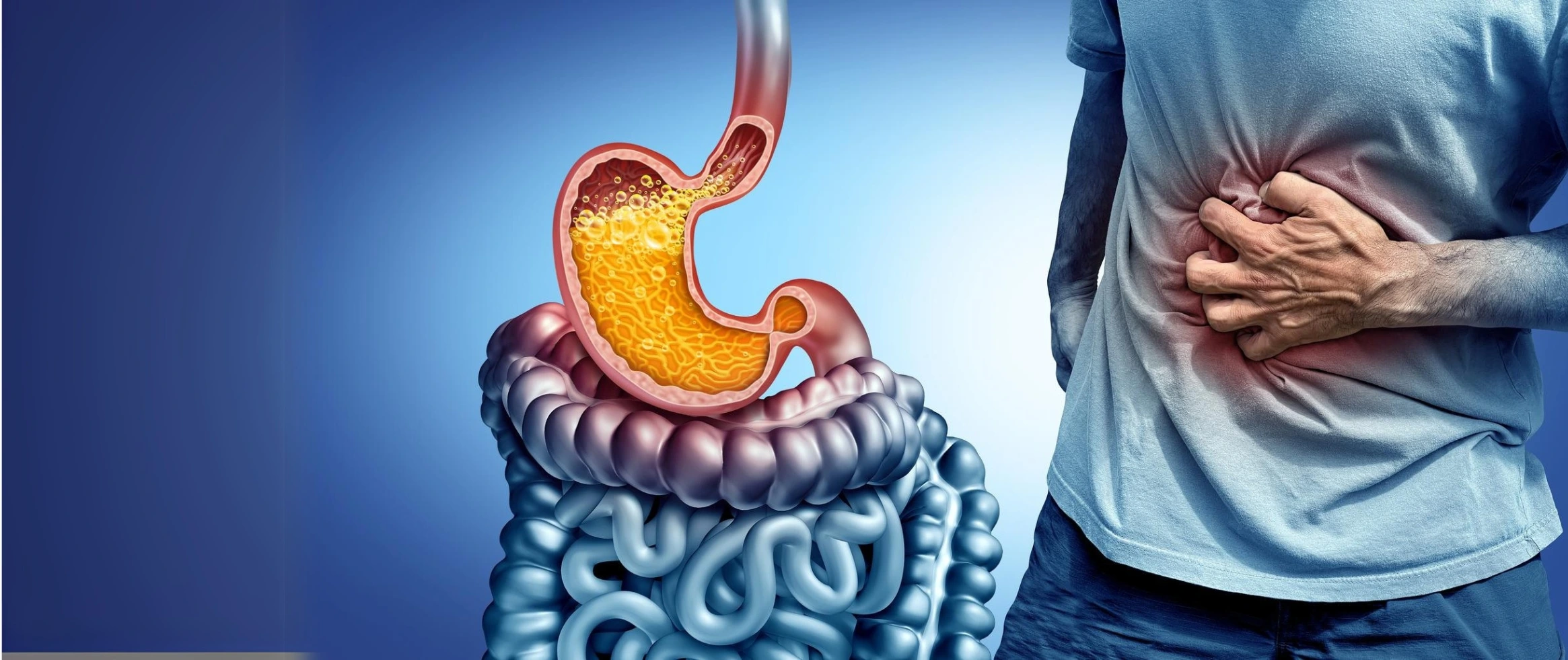
Dyspepsia—commonly called indigestion—is not merely a fleeting discomfort; it’s a constellation of signs affecting the upper digestive tract. Up to 40% of adults worldwide experience dyspepsia at some point in their lives, yet many dismiss it as “just a stomach ache.” In reality, dyspepsia symptom can significantly impact daily life, from disrupting sleep to reducing appetite and causing anxiety about eating.
Anecdote: When my colleague Ravi skipped breakfast one morning, he assumed his midday stomach pains were due to hunger. But even after eating, he felt a burning fullness and frequent bloating. A quick trip to his doctor revealed functional dyspepsia—an upset gut without clear structural damage. Small diet tweaks and stress-management techniques brought him relief within weeks.
What Is Dyspepsia?
Dyspepsia refers to persistent or recurrent discomfort centered in the upper abdomen. While often linked to eating, it can occur at any time. Clinicians categorize it into two main types:
- Organic Dyspepsia: Caused by identifiable issues such as ulcers, gallstones, or GERD (gastroesophageal reflux disease).
- Functional Dyspepsia: No obvious structural cause on endoscopy, yet symptoms persist. It accounts for over half of dyspepsia cases in adults.
What Causes Functional Dyspepsia in Adults?
- Delayed gastric emptying: Food lingers too long in the stomach.
- Visceral hypersensitivity: Heightened sensitivity to normal digestion.
- Impaired gastric accommodation: The stomach fails to relax properly when food arrives.
- Psychological factors: Stress, anxiety, and depression can exacerbate gut symptoms.
Early Warning Signs of Dyspepsia
Recognizing early warning signs of dyspepsia allows you to seek guidance before symptoms worsen. Look out for:
- Frequent belching or burping shortly after eating.
- Unexplained nausea in the absence of viral illness.
- Persistent bloating even with small meals.
- A sense of fullness that prevents you from finishing a normal portion.
- Dull, achy pain in the upper abdomen that comes and goes.
Tip: Keep a simple food diary noting what you eat, portion sizes, and symptom onset. Patterns often point directly to culprit foods or habits.
What Are the Symptoms of Dyspepsia?
Understanding what are the symptoms of dyspepsia helps differentiate it from other digestive issues:
1. Upper Abdominal Pain or Burning
- Felt between the breastbone and belly button.
- May worsen when the stomach is empty or after large meals.
2. Early Satiety
- Feeling uncomfortably full after just a few bites.
- Leads to reduced appetite and unintended weight loss.
3. Bloating and Gas
- Sensation of fullness or “ballooned” belly.
- May accompany belching or flatulence.
4. Nausea and Belching
- Recurring burps or belching can signal delayed gastric emptying.
5. Acidic Taste in Mouth
- Indicates reflux of stomach acid, often overlapping with GERD.
6. Chest Discomfort
- Feels like pressure or tightness; can mimic cardiac pain.
Key Signs of Indigestion or Dyspepsia
Here are the key signs of indigestion or dyspepsia to watch for:
- Meal-related timing: Symptoms emerge 30–60 minutes after eating fatty or spicy foods.
- Symptom-free intervals: Weeks or months without issues, followed by flare-ups.
- Poor response to antacids: Occasional antacids may bring relief, but symptoms return.
| Sign | Dyspepsia |
| Pain location | Upper abdomen (epigastric) |
| Relation to meals | Often after eating, especially rich foods |
| Response to antacids | Partial or temporary |
| Associated symptoms | Bloating, fullness, belching |
| Overlap with heartburn/GERD | Common but distinct conditions |
Difference Between Heartburn and Dyspepsia
Heartburn and dyspepsia share some symptoms but have different underlying mechanisms:
| Feature | Heartburn | Dyspepsia |
| Primary symptom | Burning sensation behind the breastbone | Pain or discomfort in the upper abdomen |
| Mechanism | Acid reflux into the esophagus | Delayed emptying, hypersensitivity, or mucosal issues |
| Common triggers | Lying down after eating, spicy foods | Large meals, fatty foods, stress |
| Associated relief | Antacids, H2 blockers, PPIs | Dietary changes, prokinetics, stress management |
| Overlap | Can coexist with dyspepsia | May involve reflux symptoms |
Exploring Dyspepsia Causes
Numerous factors contribute to dyspepsia. Understanding dyspepsia causes empowers you to target interventions:
1. Dietary Factors
- Spicy Foods: Capsaicin can irritate the stomach lining—does spicy food cause dyspepsia? For many, yes.
- High-Fat Meals: Delay gastric emptying, increasing pressure on the stomach.
- Carbonated Drinks & Caffeine: Increase gas production and acid secretion.
2. Medications
- NSAIDs (ibuprofen, naproxen) can inflame the stomach mucosa.
- Certain Antibiotics and bisphosphonates are also culprits.
3. H. Pylori Infection
- Helicobacter pylori colonizes the stomach lining, causing ulcers and chronic gastritis.
- Treating H. pylori often resolves dyspeptic symptoms.
4. Functional Disorders
- Abnormal gut–brain interactions can slow stomach emptying or heighten pain signals.
5. Stress & Anxiety
- Dyspepsia related to stress or anxiety: Chronic stress floods the body with cortisol, which can impair normal gut function.
Symptoms of Dyspepsia vs Acid Reflux
| Symptom | Dyspepsia | Acid Reflux |
| Primary location | Epigastric (upper belly) | Retrosternal (behind breastbone) |
| Taste sensation | Rarely sour or bitter | Commonly sour/bitter (regurgitated acid) |
| Timing | After meals; may persist after eating | Often at night or when lying down |
| Additional features | Early satiety, bloating, fullness | Chronic cough, hoarseness, throat clearing |
Can Dyspepsia Cause Chest Pain and Bloating?
Yes. While chest pain often alarms us, upper-abdominal discomfort from dyspepsia can radiate upward, mimicking cardiac pain. Bloating occurs as gas and food linger in a sluggish stomach. If you experience chest discomfort, always rule out heart conditions—but remember, can dyspepsia cause chest pain and bloating? Absolutely.
Is Dyspepsia a Symptom of Ulcer or GERD?
- Peptic Ulcers: Burning pain on an empty stomach or between meals—often mistaken for indigestion.
- GERD (Gastroesophageal Reflux Disease): Refluxed acid causes heartburn; about 30% of GERD patients also report dyspeptic symptoms.
- Overlap: Endoscopy or H. pylori testing distinguishes organic causes from functional dyspepsia.
Early Warning Signs vs Serious Red Flags
Early warning signs include belching, mild nausea, or fullness. Red flags that warrant immediate medical attention:
- Unintended weight loss
- Vomiting blood or black stools
- Difficulty swallowing (dysphagia)
- Severe, persistent pain
Managing Dyspepsia: Treatment Strategies
A multi-pronged approach to dyspepsia treatment combines lifestyle adjustments, over-the-counter solutions, and prescription therapies.
A. Lifestyle & Dietary Modifications
1. Eat Smaller, Frequent Meals
- Less strain on the stomach.
2. Identify & Avoid Triggers
- Keep your food diary to spot patterns (e.g., “Does spicy food cause dyspepsia in me?”).
3. Stay Upright After Eating
- Gravity helps prevent reflux.
4. Stress Reduction Techniques
- Yoga, mindfulness, and deep-breathing exercises address the dyspepsia related to stress or anxiety component.
5. Quit Smoking & Limit Alcohol
- Both impair mucosal defenses and increase acid production.
B. Over-the-Counter Remedies
- Antacids: Fast relief by neutralizing acid; best for mild dyspepsia symptoms.
- H2 Receptor Blockers: Ranitidine, famotidine—reduce acid production for up to 12 hours.
- Proton Pump Inhibitors (PPIs): Omeprazole, pantoprazole—for persistent or moderate-to-severe dyspepsia.
C. Prescription Therapies
1. Prokinetics (e.g., metoclopramide)
- Enhance gastric emptying and alleviate early satiety.
2. H.Pylori Eradication
- Combination antibiotics + PPI if testing confirms infection.
3. Visceral Pain Modulators
- Low-dose tricyclic antidepressants for pain hypersensitivity.
Practical Tips and Daily Habits
- Chew Food Thoroughly: Reduces digestive workload.
- Hydrate Between Meals: Drinking large volumes during meals can dilute digestive juices.
- Walk After Eating: A gentle 10-minute stroll can aid digestion.
- Mindful Eating: Focus on meals, avoid TV or work distractions.
Takeaway & Next Steps
Dyspepsia affects millions, but with awareness of key signs of indigestion or dyspepsia, careful dietary adjustments, and targeted therapies, you can reclaim comfort and confidence around meals. Start by tracking your symptoms, identifying personal triggers, and adopting simple lifestyle changes. If symptoms persist despite self-care, consult your healthcare provider for personalized treatment—because no one should suffer in silence when relief is within reach.
Feel empowered: digestion is a dialogue between your lifestyle, emotions, and stomach. By tuning into that conversation, you can write a more comfortable chapter in your health story.











 Track Sample
 Upload Prescription