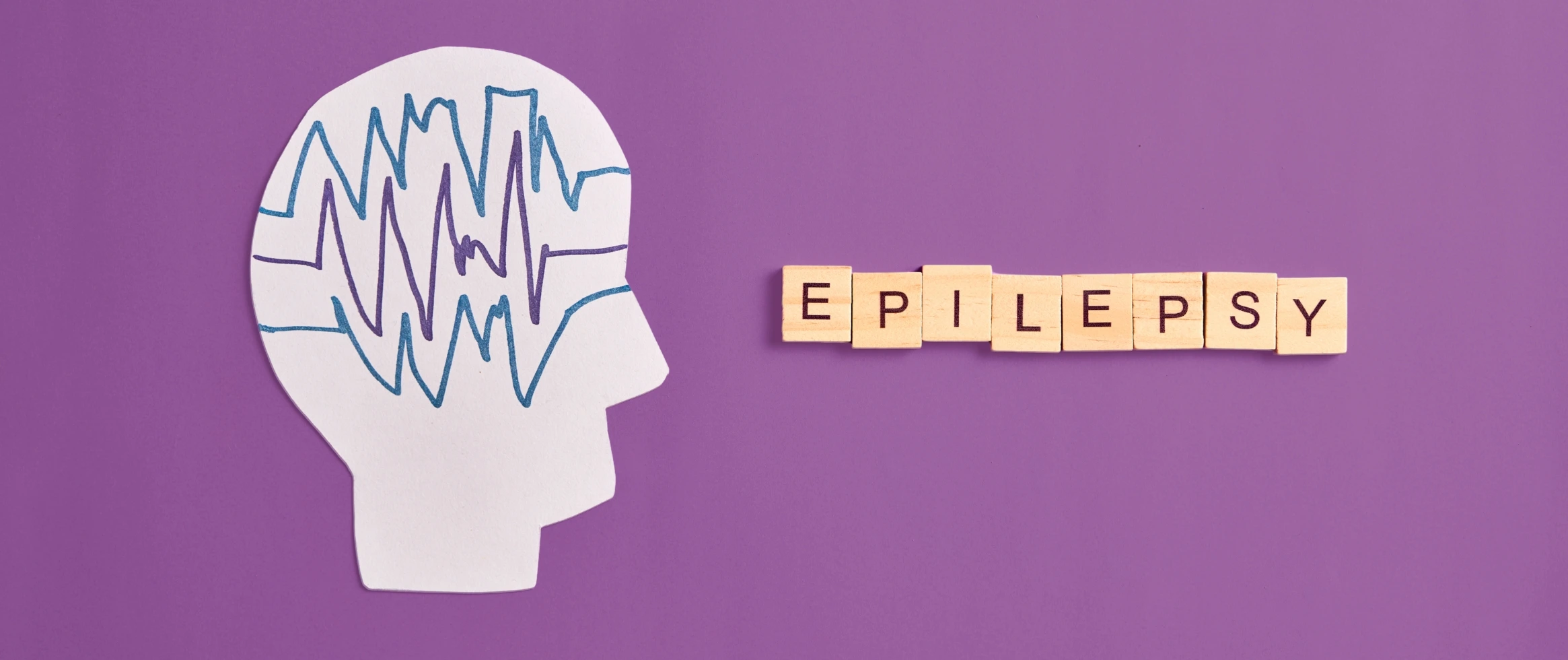
Have you ever seen someone suddenly lose awareness, shake uncontrollably, or stare blankly for a few seconds? It can feel scary and confusing. For many people, this is a glimpse into a condition called epilepsy.
Understanding epilepsy is important—not just for those diagnosed, but also for families, caregivers, and even colleagues. The more you know, the better you can respond and support.
Let’s start simple - what is epilepsy?
Epilepsy is a neurological disorder that affects the brain and causes repeated, unprovoked seizures. A seizure happens when there is a sudden burst of electrical activity in the brain.
Not every seizure means epilepsy. A person is usually diagnosed with epilepsy when they have two or more unprovoked seizures.
Think of your brain as an electrical network. When signals misfire or become chaotic, it can lead to different types of seizures.
The symptoms of epilepsy can vary widely depending on the type of seizure. Some are dramatic, while others are subtle and easy to miss.
Common Epilepsy Symptoms
1. Generalized Seizures
These affect the whole brain.
2. Focal Seizures
These begin in one part of the brain.
Many people in India often ignore mild symptoms like brief confusion or staring, assuming it’s stress or fatigue. But these could be early epilepsy symptoms that need attention.
Understanding epilepsy causes can help in prevention and early diagnosis.
In many cases, the exact cause is unknown. However, some common factors include:
1. Genetic Factors
Some people inherit a tendency toward seizures.
2. Brain Injury
3. Infections
Brain infections like meningitis or encephalitis
4. Stroke or Brain Tumors
Especially in older adults
5. Developmental Disorders
Conditions like autism can be linked with epilepsy
6. Lifestyle Triggers
While not causes, these can trigger seizures:
In India, delayed treatment of infections or head injuries often increases the risk of developing epilepsy.
Diagnosis is not based on one test—it requires a combination of medical evaluation and investigations.
Common Diagnostic Tests
Pathkind Labs Support
At Pathkind Labs, advanced diagnostic support is available to identify underlying causes through:
Early testing can make a huge difference in managing epilepsy effectively.
Here’s some reassuring news - epilepsy treatment can help control seizures in most people.
1. Medications
Anti-epileptic drugs (AEDs) are the most common treatment.
2. Surgery
In severe cases where medication doesn’t work:
3. Lifestyle Changes
Simple daily habits can reduce seizure risk:
4. Ketogenic Diet
A high-fat, low-carb diet that may help some patients, especially children.
Let’s be honest—living with epilepsy isn’t always easy.
Imagine being afraid to travel alone or worrying about having a seizure in public. Many people face social stigma, especially in smaller towns.
But awareness is growing.
With proper treatment and support:
If you or someone in your family has epilepsy, remember—you’re not alone.
Don’t ignore these warning signs:
Early diagnosis can prevent complications and improve quality of life.
Not all cases can be prevented, but you can reduce the risk:
Epilepsy is more common than many people realize—and it’s manageable.
The key is awareness, early diagnosis, and consistent treatment.
If you notice even mild epilepsy symptoms, don’t ignore them. Getting timely medical advice and diagnostic support from trusted providers like Pathkind Labs can make all the difference.
Because when it comes to brain health, every second matters.
Discover precision diagnostics with Pathkind Labs, a trusted name in diagnostic services in India. Our NABL accredited labs, equipped with advanced technology, are staffed by a certified team of over 200+ senior pathologists and 2000+ technicians. From tailored health check-ups to specialized tests in Oncology, Neurology, Gynaecology, Nephrology, and more, we've got your health covered. Skip the hassle with online booking for tests or check-ups, available for both lab visits and at-home blood collection. For a seamless experience and early detection, choose Pathkind Labs in Gurugram. Book your appointment today and experience diagnostics made easy.
© 2026 Pathkind Diagnostics Pvt. Ltd. All Rights Reserved | Unsubscribe











 Track Sample
 Upload Prescription