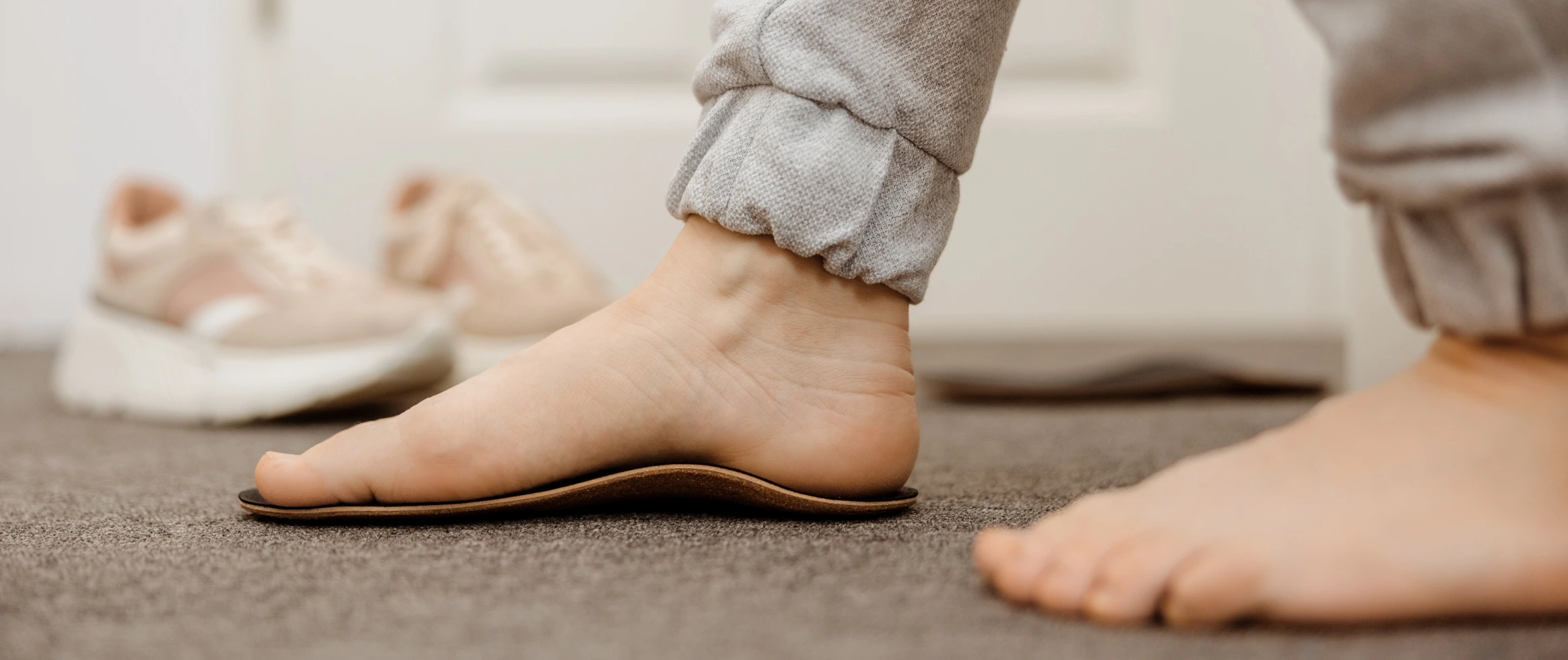
Have you ever noticed that some people have no visible arch in their feet? Or maybe you’ve looked at your own footprint and realized it's almost completely flat. That’s what’s called flat feet — and while it’s not always painful, for some, it can lead to real discomfort, posture problems, and even long-term issues with the knees or spine.
But don’t worry — you’re not alone, and the good news is, there are ways to treat and manage it.
Let’s explore what flat feet actually are, why they happen, what symptoms to look out for, and what can be done to make walking, standing, and living easier.
Flat feet, also known as fallen arches, occur when the arches on the inside of your feet are flattened — meaning the entire sole of your foot touches the ground when you stand. While babies are born with flat feet (since their arches develop over time), some people never develop an arch at all. For others, the arch may collapse over time due to injury, wear and tear, or other factors.
Flat feet can be congenital (from birth) or acquired (developed later in life). Here are some of the most common causes:
1. Genetics
Some people are born with flat feet due to inherited traits. If your parents have flat feet, you might too.
2. Injury or Trauma
A foot or ankle injury can damage the tendons that support the arch, particularly the posterior tibial tendon, leading to flat feet.
3. Obesity
Carrying extra weight can strain the foot's tendons, increasing the chances of developing flat feet.
4. Aging
With age, the tendons and ligaments in your feet may weaken, causing your arches to fall.
5. Medical Conditions
Conditions like arthritis, diabetes, or cerebral palsy may increase the risk of flat feet.
6. Improper Footwear
Wearing unsupportive footwear over time (especially for athletes or people who stand for long hours) may contribute to flat feet problems.
Not everyone with flat feet experiences symptoms. However, when symptoms do show up, they can include:
Fun tip: A simple test is to wet your feet, step on a piece of cardboard or newspaper, and check the footprint. If your arch doesn’t show a curve inward, it might be flat feet.
Here’s the thing — not all flat feet cause trouble. Many people live perfectly normal lives without any issues. But if flat feet start affecting your posture, walking style (gait), or cause pain, they become a problem that needs attention.
Some potential complications include:
Thankfully, flat feet treatment options range from simple lifestyle changes to medical intervention depending on severity. Here's what you can consider:
1. Supportive Footwear & Orthotics
Wearing shoes with good arch support or using custom orthotic inserts can help relieve discomfort and improve posture. Avoid flip-flops or worn-out shoes.
“Good shoes can make a world of difference. I didn’t realize how unsupported my feet were until I switched to proper walking shoes.” – Amit, 34, Pune
2. Stretching & Strengthening Exercises
These can help strengthen the muscles and tendons in your feet and legs.
3. Weight Management
Maintaining a healthy weight reduces pressure on your feet, helping prevent or reduce flat feet symptoms.
4. Rest and Ice
If you experience pain or swelling, resting your feet and applying ice can help reduce inflammation.
5. Physical Therapy
A physiotherapist can teach specific exercises to improve foot mechanics and reduce discomfort.
6. Medication
For inflammation or pain, over-the-counter anti-inflammatory drugs like ibuprofen may be recommended.
7. Surgery (Rare Cases)
If flat feet are severe and conservative treatments fail, surgery might be considered to correct tendon damage or fuse bones.
For children, sometimes arches develop naturally with age. But in adults, once the arch has collapsed, it’s unlikely to come back without surgery. That said, most cases don’t need permanent fixing — just proper management. With the right shoes, lifestyle changes, and exercises, you can live comfortably without ongoing pain.
If you're unsure whether your flat feet are causing problems, a basic orthopedic or podiatry consultation can help. You can even book diagnostic foot scans or posture assessments at reputed centers like Pathkind Labs, where specialized tests help identify biomechanical imbalances.
Flat feet don’t always need fixing — but they do deserve attention. Whether it’s choosing the right footwear, incorporating daily foot exercises, or just becoming more aware of your body, small changes can go a long way.
If you experience regular discomfort, don’t brush it off. Your feet carry you every day — they deserve care too.
Discover precision diagnostics with Pathkind Labs, a trusted name in diagnostic services in India. Our NABL accredited labs, equipped with advanced technology, are staffed by a certified team of over 200+ senior pathologists and 2000+ technicians. From tailored health check-ups to specialized tests in Oncology, Neurology, Gynaecology, Nephrology, and more, we've got your health covered. Skip the hassle with online booking for tests or check-ups, available for both lab visits and at-home blood collection. For a seamless experience and early detection, choose Pathkind Labs in Gurugram. Book your appointment today and experience diagnostics made easy.
© 2026 Pathkind Diagnostics Pvt. Ltd. All Rights Reserved | Unsubscribe











 Track Sample
 Upload Prescription