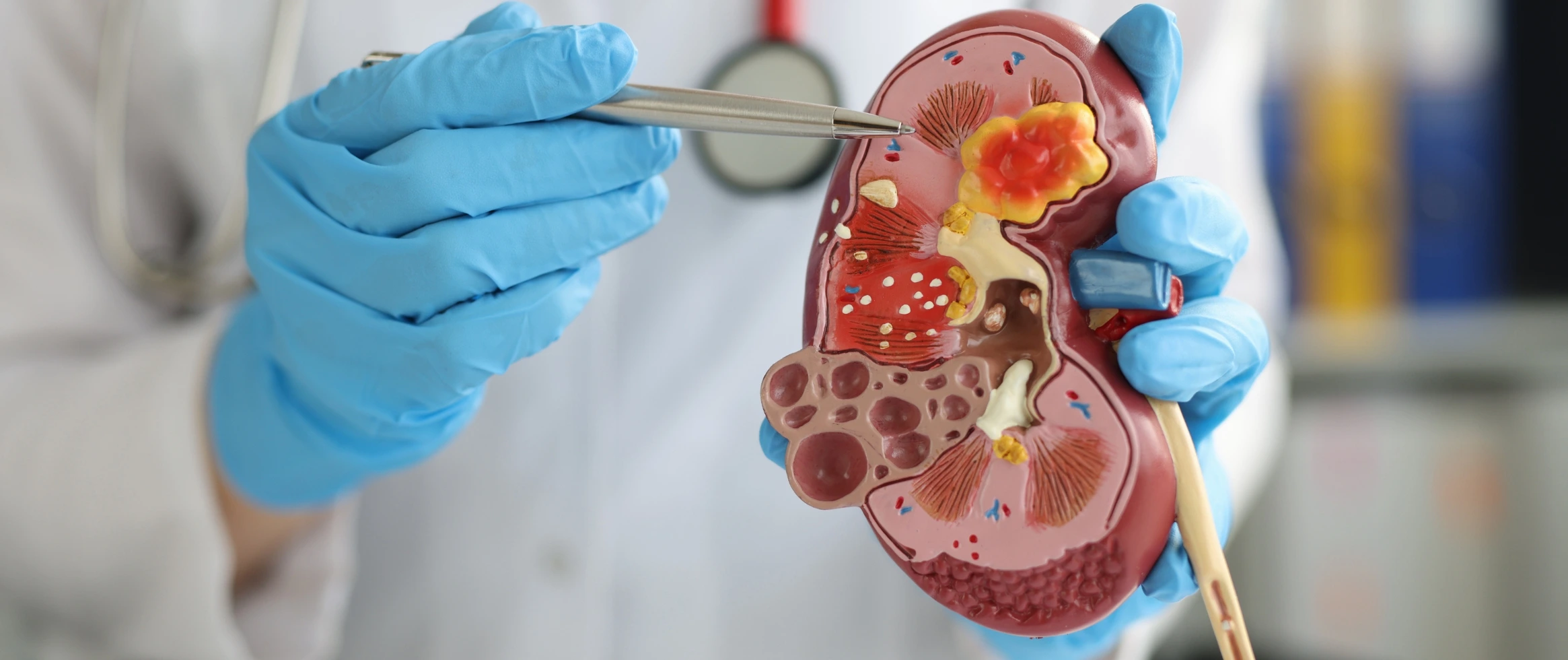
Have you ever noticed swelling in your feet, foamy urine, or unusual tiredness and ignored it thinking it was just stress or dehydration? Sometimes, these signs may point toward a hidden kidney problem called glomerulonephritis.
The name sounds complicated, but the condition simply refers to inflammation of tiny filters inside the kidneys called glomeruli. These filters help remove waste, excess water, and toxins from the blood. When they become damaged or inflamed, the kidneys may stop working properly.
Many people do not realize they have this condition until symptoms become serious. That’s why understanding glomerulonephritis causes, symptoms, and treatment is important for protecting long-term kidney health.
In this guide, we’ll explain everything in simple language so you can better understand what happens, why it happens, and what steps can help manage it.
Glomerulonephritis is a kidney condition where the tiny filtering units of the kidneys become inflamed. These filters are responsible for cleaning the blood and removing waste through urine.
When these filters are damaged:
This condition can happen suddenly (acute glomerulonephritis) or develop slowly over time (chronic glomerulonephritis).
If left untreated, it may lead to serious kidney damage or even kidney failure.
Understanding the exact glomerulonephritis causes can help in early diagnosis and treatment. In many cases, the condition develops because the immune system mistakenly attacks the kidneys.
Here are the most common causes:
1. Infections
Certain infections can trigger kidney inflammation.
Common infections linked to glomerulonephritis:
Sometimes the kidney problem develops weeks after the original infection has healed.
Imagine recovering from a throat infection and suddenly developing swollen feet or dark urine afterward. Many people never connect the two.
2. Autoimmune Diseases
In autoimmune conditions, the body’s immune system attacks healthy tissues by mistake.
Diseases that may cause glomerulonephritis include:
These conditions can create inflammation inside the kidneys and affect filtering ability.
3. Diabetes
Poorly controlled diabetes can damage kidney blood vessels over time.
High blood sugar levels put pressure on the kidneys and may increase the risk of kidney inflammation and chronic kidney disease.
This is one reason why regular kidney monitoring is essential for people living with diabetes.
4. High Blood Pressure
High blood pressure damages small blood vessels throughout the body, including the kidneys.
Over time, this damage may lead to kidney inflammation and poor filtration.
Unfortunately, high blood pressure often has no symptoms, which is why it’s called a “silent killer.”
5. Genetic or Hereditary Conditions
Some inherited disorders can increase the risk of glomerulonephritis.
A family history of kidney disease may make a person more vulnerable to kidney damage or inflammation.
6. Certain Medications and Toxins
Long-term use of some medicines may affect kidney health.
Examples include:
Kidneys work hard to filter substances from the body, so toxic exposure can sometimes trigger inflammation.
There are two main forms of this condition.
Acute Glomerulonephritis
This type develops suddenly and may appear after an infection.
Symptoms can include:
Some people recover fully with proper treatment.
Chronic Glomerulonephritis
This form develops slowly over years and may not show symptoms in the beginning.
Many people discover it during routine blood or urine tests.
Without treatment, chronic glomerulonephritis may lead to permanent kidney damage.
The symptoms can vary depending on how severe the inflammation is.
Common glomerulonephritis symptoms include:
Swelling
Swelling often appears in:
This happens because the kidneys cannot remove extra fluid properly.
Foamy Urine
Foamy or bubbly urine may indicate excess protein leakage.
Many people notice this symptom but don’t realize it could signal kidney damage.
Blood in Urine
Urine may appear:
Sometimes blood is only visible in laboratory tests.
High Blood Pressure
Damaged kidneys can struggle to regulate blood pressure properly.
Fatigue and Weakness
Waste buildup in the body may cause tiredness, weakness, and poor concentration.
Reduced Urination
Some people may notice decreased urine output as kidney function worsens.
Doctors usually recommend several tests to confirm the condition.
Common diagnostic tests include:
Routine health testing can help detect kidney problems before severe symptoms appear.
At Pathkind Labs, advanced kidney health tests and preventive health packages can help monitor important kidney markers and identify abnormalities early.
The right glomerulonephritis treatment depends on the cause, severity, and kidney damage level.
Treatment usually focuses on:
Medications
Doctors may prescribe:
Dietary Changes
A kidney-friendly diet may help reduce stress on the kidneys.
Doctors may advise limiting:
Drinking the right amount of water is also important.
Treating diabetes, infections, or autoimmune diseases can help prevent further kidney damage.
Dialysis
In severe kidney failure cases, dialysis may be required to remove waste products from the blood.
Not all cases are preventable, but certain healthy habits may lower the risk.
Prevention tips:
Small daily habits often make a big difference in long-term kidney health.
Seek medical attention if you notice:
Early treatment may help prevent permanent kidney damage.
Kidney diseases often develop silently.
Many people only discover kidney problems when significant damage has already happened.
Regular blood and urine testing can help identify:
Preventive health screening at Pathkind Labs may support early detection and better health management.
Understanding glomerulonephritis causes is important because this condition can quietly damage the kidneys over time.
Whether triggered by infections, autoimmune diseases, diabetes, or high blood pressure, early diagnosis plays a major role in protecting kidney function.
Pay attention to warning signs like swelling, foamy urine, fatigue, or blood in urine. These symptoms should never be ignored.
The good news is that with timely diagnosis, proper lifestyle changes, and appropriate glomerulonephritis treatment, many people can successfully manage the condition and maintain kidney health.
Your kidneys work silently every day to keep your body healthy. Taking care of them today can help prevent serious complications tomorrow.
Discover precision diagnostics with Pathkind Labs, a trusted name in diagnostic services in India. Our NABL accredited labs, equipped with advanced technology, are staffed by a certified team of over 200+ senior pathologists and 2000+ technicians. From tailored health check-ups to specialized tests in Oncology, Neurology, Gynaecology, Nephrology, and more, we've got your health covered. Skip the hassle with online booking for tests or check-ups, available for both lab visits and at-home blood collection. For a seamless experience and early detection, choose Pathkind Labs in Gurugram. Book your appointment today and experience diagnostics made easy.
© 2026 Pathkind Diagnostics Pvt. Ltd. All Rights Reserved | Unsubscribe











 Track Sample
 Upload Prescription