Cholesterol often gets a bad name. The moment someone hears “high cholesterol,” they may think of heart attack, blocked arteries, or lifelong medicines. But here is the truth: cholesterol is not always bad. Your body actually needs cholesterol to make cells, hormones, and vitamin D. The real concern is the balance between good cholesterol and bad cholesterol.
So, what is good cholesterol and bad cholesterol? In simple words, HDL is called good cholesterol, while LDL is called bad cholesterol. HDL helps remove extra cholesterol from the blood, while LDL can build up inside blood vessels and increase the risk of heart disease and stroke.
Let’s understand the difference between good and bad cholesterol, what your numbers mean, and how you can improve them with daily habits.
Cholesterol is a waxy, fat-like substance found in your blood. Your liver makes cholesterol, and you also get it from foods such as meat, eggs, dairy products, butter, and fried foods.
Your body uses cholesterol for important functions like:
The problem starts when there is too much cholesterol in the blood, especially LDL cholesterol. Since cholesterol cannot travel alone in the blood, it moves through carriers called lipoproteins. The two most talked-about types are HDL and LDL.
HDL: The Good Cholesterol
HDL stands for high-density lipoprotein. It is known as “good cholesterol” because it helps carry extra cholesterol away from the blood and arteries back to the liver, where the body can remove it. Higher HDL levels may help lower the risk of heart disease and stroke.
Think of HDL like a cleaning team. It does not fix everything alone, but it helps clear extra cholesterol from places where it should not stay.
LDL: The Bad Cholesterol
LDL stands for low-density lipoprotein. It is called “bad cholesterol” because too much LDL can stick to artery walls and form plaque. Over time, this plaque can narrow the arteries and reduce blood flow. This may increase the risk of heart attack, stroke, and other heart-related problems.
The main difference between good and bad cholesterol is their effect on your arteries. HDL helps remove extra cholesterol, while LDL can add to plaque buildup.
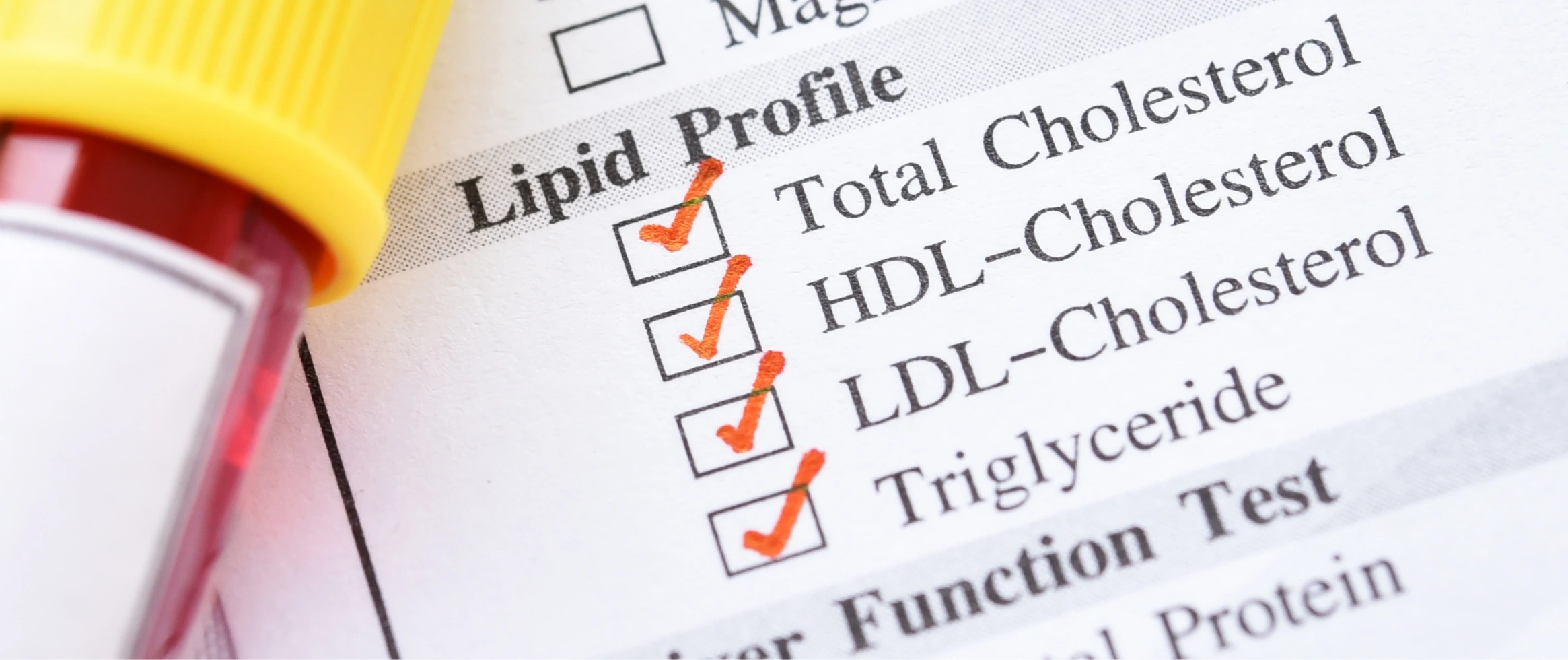
A lipid profile or lipid panel is a blood test that measures total cholesterol, LDL, HDL, and triglycerides. According to MedlinePlus, for adults, total cholesterol below 200 mg/dL, LDL below 100 mg/dL, and triglycerides below 150 mg/dL are generally considered healthy. HDL of 60 mg/dL or higher is considered best, while low HDL is below 40 mg/dL in men and below 50 mg/dL in women.
Common Adult Cholesterol Targets
These numbers may vary depending on your age, diabetes status, blood pressure, family history, smoking habits, and heart disease risk. Always discuss your report with a doctor.
High LDL cholesterol usually does not cause obvious symptoms. You may feel perfectly fine, go to work, eat normally, and still have high LDL. That is why cholesterol is often called a silent risk factor.
When LDL stays high for a long time, it may:
Regular cholesterol checks matter because high cholesterol may not show visible warning signs until serious damage has already happened.
Many people assume cholesterol rises only because of eating oily food. Food matters, but it is not the only reason.
Common causes include:
Sometimes, a person who looks thin may still have high LDL. That is why guessing is not enough. Testing is better.
1. Eat More Soluble Fibre
Soluble fibre helps reduce cholesterol absorption in the body. Add foods like:
A simple Indian example: replace a low-fibre breakfast like biscuits and tea with oats, poha with vegetables, or dal chilla.
2. Choose Healthier Fats
Not all fats are bad. The type of fat matters.
Try to reduce:
Choose better options like:
3. Avoid Trans Fat
Trans fat is one of the worst fats for heart health. It may increase LDL and lower HDL. It is often found in packaged snacks, fried fast foods, bakery items, and some processed foods.
Check labels for “partially hydrogenated oil.”
4. Walk Daily
You do not need an expensive gym plan to start. A 30-minute brisk walk most days of the week can support heart health and help improve cholesterol balance.
Start small. Even 10 minutes after lunch and 10 minutes after dinner is better than doing nothing.
5. Reduce Sugar and Refined Carbs
High sugar intake can increase triglycerides and worsen overall heart risk. Cut down on:
Choose whole grains, fruits, nuts, and home-cooked meals more often.
6. Quit Smoking
Smoking can lower HDL cholesterol and damage blood vessels. Quitting smoking is one of the strongest steps for improving heart health.
7. Maintain a Healthy Weight
Even a small weight loss can help improve cholesterol, blood sugar, and blood pressure. Focus on steady habits, not crash diets.
Many people search for how to increase good cholesterol, especially when HDL is low. The best way is to build heart-friendly habits.
Ways to Increase HDL Cholesterol
Remember, raising HDL alone is not enough. You also need to focus on how to lower bad cholesterol, because LDL is a major risk factor for artery blockage.
Best Foods to Add
Foods to Limit
A practical plate idea: half plate vegetables, one-quarter dal or protein, one-quarter roti/rice/millet, plus curd or salad.
A lipid profile test helps measure HDL, LDL, total cholesterol, and triglycerides. NHLBI notes that a lipid panel is used to measure LDL, HDL, and triglycerides in the blood and helps assess coronary heart disease risk.
You should consider testing if you:
Pathkind Labs Testing Support
If you want to check your good cholesterol and bad cholesterol, Pathkind Labs offers lipid profile testing that helps measure key markers such as total cholesterol, HDL, LDL, VLDL, and triglycerides. It can be a useful step for understanding your heart health and taking timely action.
In many cases, lifestyle changes can improve cholesterol numbers. But some people may still need medicine, especially if LDL is very high, they have diabetes, heart disease, or a strong family history.
Do not stop or start cholesterol medicine without medical advice. Diet and exercise support your health, but your doctor will decide whether medicine is needed based on your overall risk.
Myth 1: All Cholesterol Is Bad
False. Your body needs cholesterol for important functions. The problem is having too much LDL or an unhealthy lipid balance.
Myth 2: Thin People Cannot Have High Cholesterol
False. Even slim people can have high LDL due to genetics, diet, diabetes, thyroid issues, or low activity.
Myth 3: Cholesterol Always Shows Symptoms
False. High cholesterol often has no visible symptoms. A blood test is the best way to know.
Myth 4: Only Older People Need Cholesterol Testing
False. Young adults can also have abnormal cholesterol, especially with poor lifestyle habits or family history.
Myth 5: HDL Can Remove All Bad Cholesterol
Not exactly. HDL helps carry cholesterol away, but it does not remove all LDL. Lowering LDL is still very important.
Understanding good and bad cholesterol is not as difficult as it sounds. HDL is the “good” cholesterol that helps clear extra cholesterol, while LDL is the “bad” cholesterol that can build up in arteries. The goal is simple: keep LDL low, keep HDL healthy, and maintain a balanced lifestyle.
Small daily choices matter. A walk after dinner, less fried food, more fibre, better sleep, and regular testing can all support your heart health. And remember, cholesterol problems are often silent. So do not wait for symptoms. Check your lipid profile and take action early.
Discover precision diagnostics with Pathkind Labs, a trusted name in diagnostic services in India. Our NABL accredited labs, equipped with advanced technology, are staffed by a certified team of over 200+ senior pathologists and 2000+ technicians. From tailored health check-ups to specialized tests in Oncology, Neurology, Gynaecology, Nephrology, and more, we've got your health covered. Skip the hassle with online booking for tests or check-ups, available for both lab visits and at-home blood collection. For a seamless experience and early detection, choose Pathkind Labs in Gurugram. Book your appointment today and experience diagnostics made easy.
© 2026 Pathkind Diagnostics Pvt. Ltd. All Rights Reserved | Unsubscribe











 Track Sample
 Upload Prescription