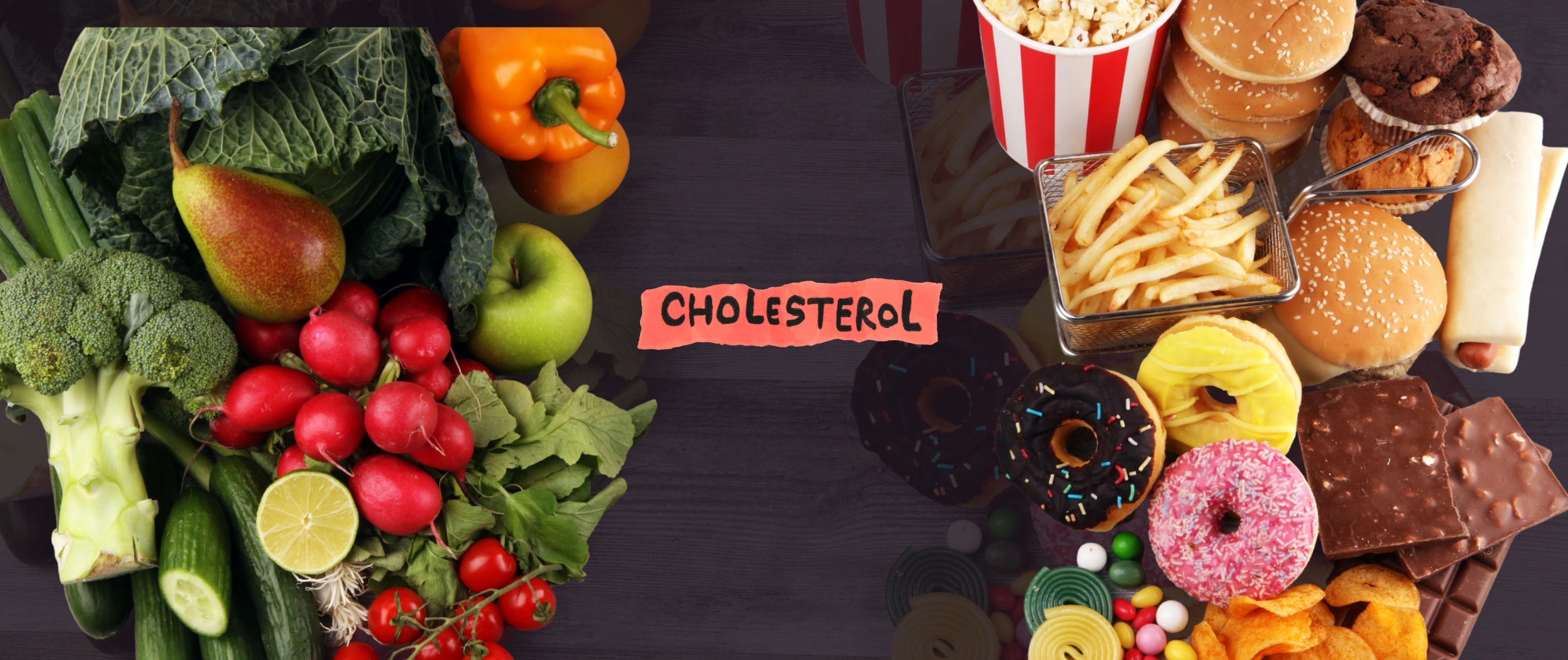
When you hear about cholesterol, it often sounds like a villain in the story of heart health. But not all cholesterol is bad! Your body actually needs cholesterol to build cells, make hormones, and produce vitamin D. The real question isn’t whether cholesterol is good or bad it’s about the type of cholesterol that flows through your blood.
Let’s break down the difference between HDL and LDL cholesterol in simple terms and understand why one helps your heart while the other can harm it.
Cholesterol is a fat like substance found in every cell of your body. It travels through your bloodstream attached to proteins, forming what’s called lipoproteins. These lipoproteins come in two main types:
Both play important roles, but balance is the key.
HDL stands for High Density Lipoprotein, and it’s considered the good guy in the cholesterol world.
Why HDL Is Good for You
Healthy HDL Levels
According to health experts:
Ways to Increase HDL Naturally
LDL stands for Low Density Lipoprotein, and it’s known as bad cholesterol for a reason.
Why LDL Is Considered Bad
Healthy LDL Levels
Ways to Reduce LDL Naturally
Think of cholesterol like a team HDL is the cleaner, removing waste, while LDL is the builder, adding materials. When LDL builds too much, arteries get clogged. HDL helps clear that buildup.
But if your HDL is low and LDL is high, your heart has to work much harder to keep blood flowing.
A balanced cholesterol ratio higher HDL and lower LDL means better heart health and lower disease risk.
When LDL rises and HDL falls, it can silently damage your arteries over time. Here are the major risks:
The scary part? High cholesterol doesn’t cause noticeable symptoms until it’s too late. That’s why regular cholesterol tests are vital.
Doctors recommend getting your lipid profile test done at least once every year after the age of 30 or more often if you have:
You can easily check your HDL and LDL levels through a Lipid Profile Test at any Pathkind Labs centre or even book home sample collection. Pathkind’s Healthkind Neo package also includes a complete cholesterol and heart health check, giving you a deeper insight into your wellness.
To maintain a healthy balance between HDL and LDL:
Here are some heart healthy foods to include in your daily diet:
Understanding HDL vs LDL cholesterol is the first step toward protecting your heart. Think of it this way:
By maintaining a healthy diet, staying active, and testing your lipid profile regularly, you can keep your cholesterol in check and your heart strong for years to come.
For a comprehensive heart check up, book your Lipid Profile Test or Healthkind Neo Package with Pathkind Labs today your trusted partner in preventive healthcare.
Discover precision diagnostics with Pathkind Labs, a trusted name in diagnostic services in India. Our NABL accredited labs, equipped with advanced technology, are staffed by a certified team of over 200+ senior pathologists and 2000+ technicians. From tailored health check-ups to specialized tests in Oncology, Neurology, Gynaecology, Nephrology, and more, we've got your health covered. Skip the hassle with online booking for tests or check-ups, available for both lab visits and at-home blood collection. For a seamless experience and early detection, choose Pathkind Labs in Gurugram. Book your appointment today and experience diagnostics made easy.
© 2026 Pathkind Diagnostics Pvt. Ltd. All Rights Reserved | Unsubscribe











 Track Sample
 Upload Prescription