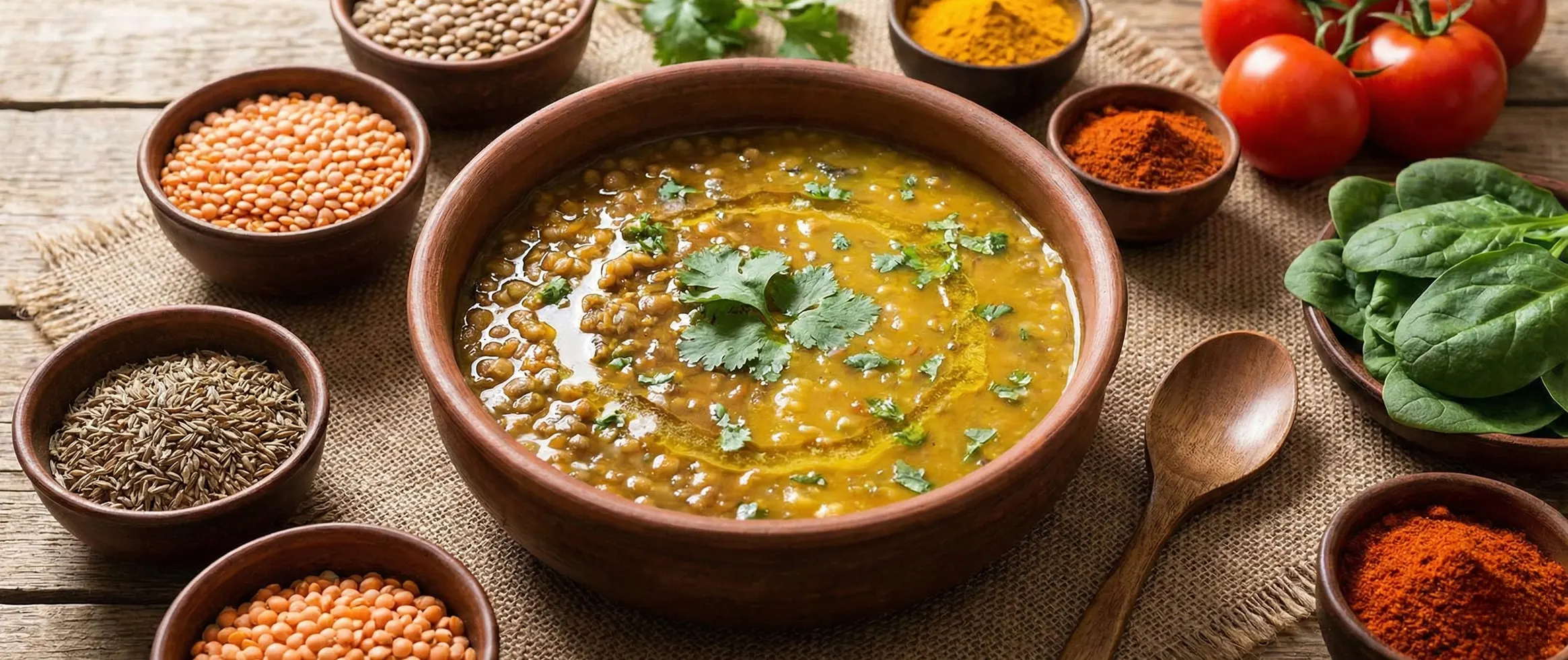
Dal is one of the most common and comforting foods in Indian households. It is affordable, easy to cook, easy to digest, and packed with nutrients. Whether eaten with rice or roti, dal is often the main source of protein in a vegetarian diet.
If you’ve ever wondered how much calories are in dal or whether dal fits into a healthy or weight-conscious diet, this guide breaks it down clearly.
Dal refers to dried, split pulses that are cooked and consumed as a curry or soup. Common types of dal include:
While the taste and texture may differ, most dals have a similar nutritional foundation.
A standard bowl of dal is usually considered to be 150–200 ml of cooked dal, prepared with minimal oil.
Calories in One Bowl of Dal (Approximate)
These values may increase if the dal is cooked with extra oil, ghee, or coconut.
Apart from calories, dal provides a balanced mix of nutrients.
Dal Nutrition (Approximate for 1 Bowl Cooked)
Dal is naturally cholesterol-free and low in saturated fat when cooked with minimal oil.
One of the biggest dal benefits is its protein content.
Why this matters
This makes dal especially important for vegetarians.
Dal contains soluble and insoluble fibre.
Digestive benefits
Moong dal and masoor dal are often preferred when digestion is sensitive.
Despite containing calories, dal can support weight control.
How
Portion size and cooking method are key.
Dal is naturally low in saturated fat and rich in potassium and fibre.
Heart-friendly effects
Dal has a low to moderate glycaemic index.
Benefits
The calorie content of dal can change depending on how it’s prepared.
Factors That Increase Calories
Lower-Calorie Cooking Tips
Dal provides a good balance of calories and protein compared to many other staples.
For most adults:
People with kidney disease or specific protein restrictions should follow medical advice.
Dal is generally safe and healthy, but moderation is important for:
Soaking dal before cooking helps improve digestibility.
- Myth 1 : Dal causes weight gain
Fact: Portion size and oil matter more than dal itself.
- Myth 2 : Dal is not enough protein
Fact: Dal contributes significantly to daily protein needs when combined with other foods.
Dal is a nutritious, balanced, and reliable part of the Indian diet. Understanding calories in one bowl of dal and overall dal nutritional value helps you include it wisely in your meals.
When cooked simply and eaten in the right portion, dal supports digestion, muscle health, heart health, and long-term wellness. Like all foods, it works best as part of a balanced and varied diet.
Discover precision diagnostics with Pathkind Labs, a trusted name in diagnostic services in India. Our NABL accredited labs, equipped with advanced technology, are staffed by a certified team of over 200+ senior pathologists and 2000+ technicians. From tailored health check-ups to specialized tests in Oncology, Neurology, Gynaecology, Nephrology, and more, we've got your health covered. Skip the hassle with online booking for tests or check-ups, available for both lab visits and at-home blood collection. For a seamless experience and early detection, choose Pathkind Labs in Gurugram. Book your appointment today and experience diagnostics made easy.
© 2026 Pathkind Diagnostics Pvt. Ltd. All Rights Reserved | Unsubscribe











 Track Sample
 Upload Prescription