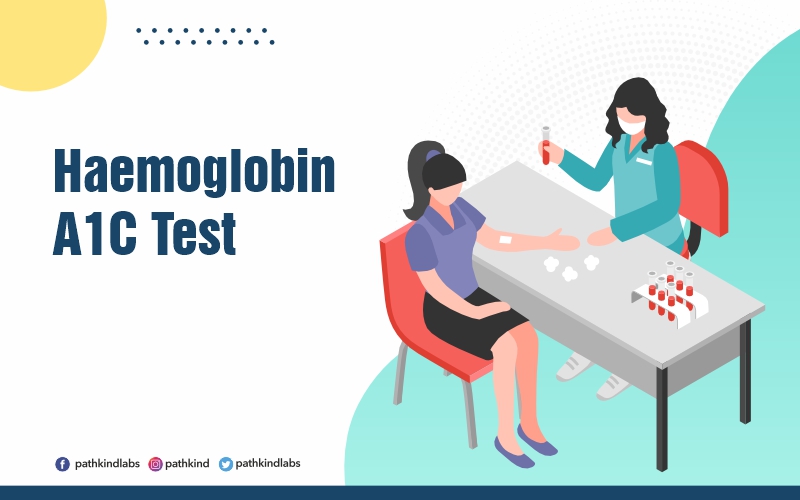
Diabetes is a long-term illness that affects a lot of people around the world, especially in India. Effectively taking care of diabetes requires constant tracking and testing, which can be challenging for patients and doctors. This article will discuss how vital the (the Haemoglobin A1C test) is for people with diabetes and how often they should get it.
High blood sugar levels are a hallmark of the diabetes spectrum of illnesses. The two main types are:
The pancreatic cells responsible for producing insulin are targeted and destroyed by the immune system in people with type 1 diabetes, an autoimmune illness. To control their blood sugar, people with type 1 diabetes must regularly dose themselves with insulin.
Type 2 diabetes is more common and occurs when the body cannot effectively use or produce enough insulin. Poor diet and lack of exercise are lifestyle factors that contribute to the development of type 2 diabetes.
Necessary for determining how well a person with diabetes is managing their blood sugar levels is a test called the Haemoglobin A1C test, also known as the glycosylated haemoglobin test or HbA1c test. Haemoglobin is a protein in red blood vessels that transports oxygen throughout the body. (glucose). A more significant percentage indicates that your blood sugar has been consistently high over the previous 2-3 months.
TheHaemoglobin A1C testis crucial for people with diabetes as it gives an accurate picture of blood sugar control over a more extended period, unlike daily blood sugar monitoring, which only provides information about blood sugar levels at a specific time. The test results help healthcare providers and patients make informed decisions about diabetes management, including medication adjustments and lifestyle changes.
The Haemoglobin A1C test quantifies the sugar attached to the red blood cells. A more significant percentage indicates that your blood sugar has been consistently high over the previous 2-3 months. A laboratory test is conducted on a blood specimen to establish findings.
The findings from the Haemoglobin A1C test are conveyed as a percentage. In individuals who do not have diabetes, the usual range is between 4% to 5.6%. Meanwhile, the American Diabetes Association (ADA) advocates for an A1C objective of under 7% for those with diabetes, and the International Diabetes Federation (IDF) proposes a target of 6.5% or less.
The frequency of Haemoglobin A1C testing is a critical element in assuring proper diabetes management. Type 1 and type 2 diabetes necessitate various testing frequencies contingent on the person's sugar levels and general well-being. In this case, we will discuss the recommendations for each type of diabetes.

The immune system of the body targets and kills insulin-producing cells in the pancreas in type 1 diabetes, an autoimmune disease. Individuals with type 1 diabetes must take insulin injections or use an insulin pump to maintain healthy blood sugar levels.
For people with type 1 diabetes, the recommended frequency for Haemoglobin A1C testing depends on their blood sugar control:
The more prevalent variety of diabetes is type 2, where the body either doesn't produce enough insulin or cannot use insulin effectively. Type 2 diabetes can often be managed with lifestyle changes, oral medications, or insulin injections.
For people with type 2 diabetes, the recommended frequency for Haemoglobin A1C testing depends on their blood sugar control and individual circumstances:
Managing diabetes effectively requires a comprehensive approach, including regular testing, to ensure proper blood sugar control and minimize the risk of complications. Regular testing involves a combination of daily blood glucose monitoring and periodic Haemoglobin A1C tests. This section will discuss the importance of regular testing and its role in managing diabetes.
Individuals who have diabetes require monitoring of their blood glucose levels daily to gain insights into their glycaemic control throughout the day. This allows them to make informed decisions concerning their diabetes management plan, including modifying their insulin doses, adapting their meal plans, and planning their physical activity routine.
Daily monitoring is typically done using a blood glucose meter, which requires a small drop of blood obtained through a fingerstick. Some individuals may also use continuous glucose monitoring (CGM) systems that measure blood sugar levels continuously throughout the day and night, providing real-time information and trends.
Pathkind Labs is India's leading diagnostic service provider, offering comprehensive diabetes testing solutions, including Haemoglobin A1C tests. With a focus on quality, accuracy, and affordability, Pathkind Labs ensures you receive the best possible care and support in managing your diabetes.
The Hemoglobin A1C examination is crucial to effective blood sugar control for individuals with diabetes. The optimal frequency of testing is contingent upon the category of diabetes and the overall health status of the person. However, it is generally suggested that the test be performed at least twice annually. Regular Hemoglobin A1C assessments, coupled with appropriate diabetes management, can forestall or diminish complications and lessen the overall standard of living for individuals with diabetes. The Hemoglobin A1C test is indispensable for diabetes patients to efficiently track their blood sugar control.
Discover precision diagnostics with Pathkind Labs, a trusted name in diagnostic services in India. Our NABL accredited labs, equipped with advanced technology, are staffed by a certified team of over 200+ senior pathologists and 2000+ technicians. From tailored health check-ups to specialized tests in Oncology, Neurology, Gynaecology, Nephrology, and more, we've got your health covered. Skip the hassle with online booking for tests or check-ups, available for both lab visits and at-home blood collection. For a seamless experience and early detection, choose Pathkind Labs in Gurugram. Book your appointment today and experience diagnostics made easy.
© 2026 Pathkind Diagnostics Pvt. Ltd. All Rights Reserved | Unsubscribe











 Track Sample
 Upload Prescription