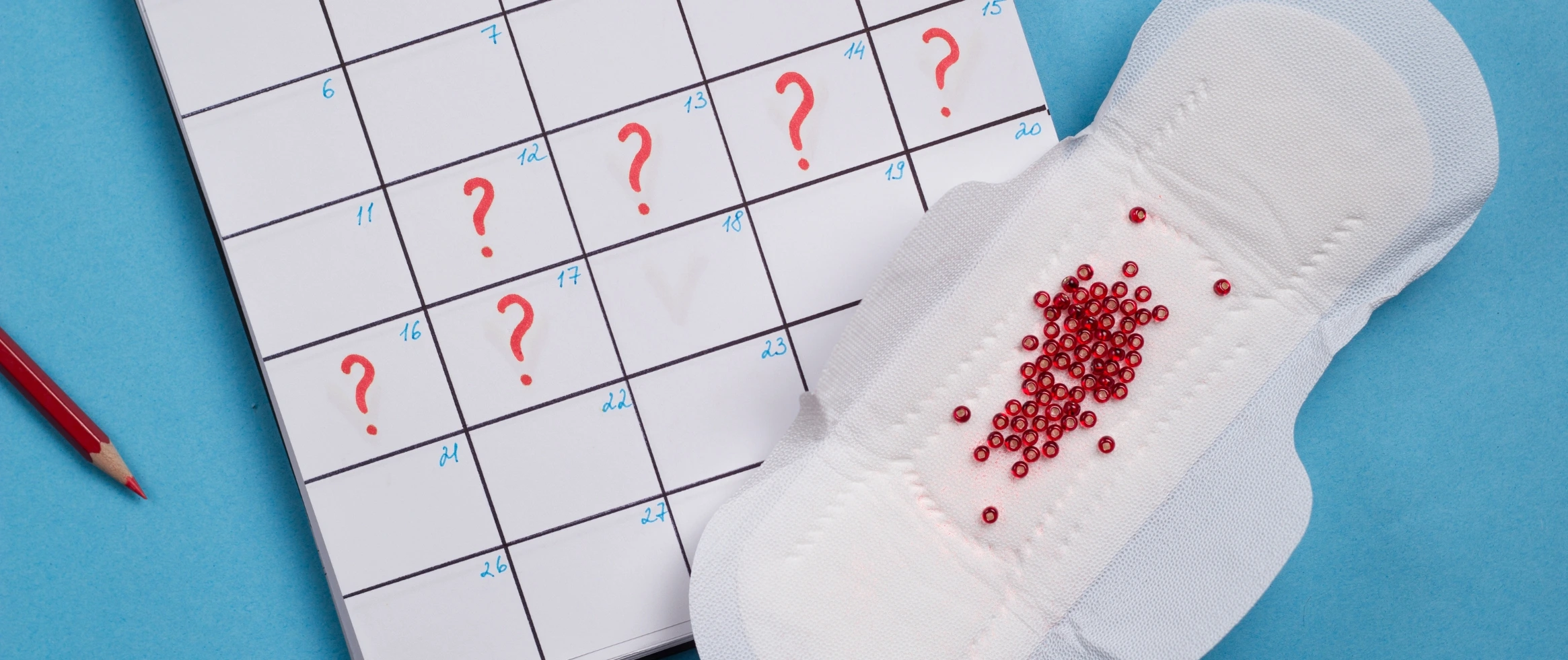
Periods do not always come like clockwork. One month your cycle may be 28 days, the next it may be 32 days, and sometimes it may come a little early or late. For many women, this small change is normal. But when periods keep changing often, become too heavy, stop for months, or come with unusual pain, it may be your body’s way of asking for attention.
Irregular periods are common, but they should not be ignored. A normal menstrual cycle in adults is often between 21 to 35 days, and bleeding usually lasts 2 to 7 days. In teenagers, cycles can be longer and may take time to become regular.
Irregular periods mean your menstrual cycle does not follow a predictable pattern. This may include:
A small delay once in a while can happen due to stress, travel, illness, sleep changes, or weight changes. But frequent changes may need medical evaluation.
Common irregular periods symptoms include:
Symptoms like facial hair growth, acne, weight gain, and irregular cycles may point toward hormonal imbalance such as PCOS. The NHS advises seeing a doctor if irregular periods occur with weight gain, tiredness, facial hair growth, or skin changes.
Normal Period Changes
Some changes are usually normal, such as:
Irregular periods are also common during puberty and before menopause. Changing contraception can also disturb the cycle for some time.
Not Normal Period Changes
You should not ignore:
NHS Inform recommends speaking to a doctor if periods stop for around 3 to 6 months, bleeding happens between periods or after sex, or the number of days between periods keeps changing.
There are many irregular period causes. Some are simple lifestyle-related reasons, while others may need proper medical care.
1. Stress
Ever noticed your period getting delayed during exams, work pressure, family stress, or emotional ups and downs? Stress can affect hormones that control ovulation. When ovulation is delayed, your period may also come late.
2. PCOS
Polycystic ovary syndrome, or PCOS, is one of the most common causes of irregular periods. It may also cause acne, weight gain, facial hair, hair thinning, and difficulty getting pregnant.
3. Thyroid Problems
Both low thyroid and high thyroid levels can disturb your cycle. Thyroid hormones affect metabolism, energy, weight, and reproductive hormones.
4. Sudden Weight Gain or Weight Loss
A sudden change in body weight can affect estrogen levels and ovulation. Crash dieting, under-eating, or excessive weight gain may make periods irregular.
5. Excessive Exercise
Regular exercise is healthy, but over-exercising without enough nutrition can stop or delay periods.
6. Pregnancy or Breastfeeding
A missed period can be an early sign of pregnancy. Breastfeeding can also delay the return of periods after childbirth.
7. Birth Control
Starting, stopping, or changing birth control pills, injections, implants, or intrauterine devices can cause cycle changes.
8. Perimenopause
In the years before menopause, hormone levels naturally change. This can make periods early, late, heavy, or light.
9. Fibroids or Polyps
These non-cancerous growths in the uterus may cause heavy bleeding, spotting, pelvic pressure, or longer periods.
10. Other Medical Conditions
Some infections, chronic illnesses, eating disorders, and hormonal disorders can also disturb the menstrual cycle.
The side effects of irregular periods depend on the cause. Occasional irregularity may not harm your health, but long-term irregular periods may lead to problems such as:
Fertility Issues
Irregular periods may mean irregular ovulation. If ovulation does not happen regularly, getting pregnant may become difficult.
Anemia
Heavy or long periods can cause iron deficiency anemia. This may lead to tiredness, weakness, dizziness, pale skin, and shortness of breath.
Hormonal Imbalance Symptoms
Acne, facial hair, hair fall, mood changes, and weight gain may occur when hormones are not balanced.
Emotional Stress
Not knowing when your period will come can be frustrating. It can affect travel plans, work, social life, and confidence.
Risk of Underlying Conditions Going Unnoticed
Irregular periods may sometimes be a sign of PCOS, thyroid disease, fibroids, or other health concerns. Ignoring the pattern may delay diagnosis.
If you are wondering how to treat irregular periods, the first step is to find the cause. Treatment is not the same for everyone.
1. Track Your Cycle
Use a calendar or period tracking app. Note:
This helps your doctor understand your pattern better.
2. Improve Sleep and Stress
Poor sleep and stress can disturb hormones. Try to sleep 7–8 hours, avoid late-night screen time, and practice deep breathing, walking, yoga, or meditation.
3. Eat Balanced Meals
Do not skip meals. Include:
4. Maintain a Healthy Weight
Both excess weight and very low weight can affect periods. A balanced diet and regular activity can help improve hormonal balance.
5. Check for Hormonal Issues
Your doctor may suggest tests like:
For people facing irregular periods, Pathkind Labs can support with essential blood tests such as CBC, thyroid profile, glucose testing, and hormone-related investigations as advised by a doctor. These tests can help identify common reasons behind cycle changes.
6. Take Medicines Only With Medical Advice
Doctors may suggest treatment depending on the cause. This may include hormonal medicines, thyroid medicine, PCOS management, iron supplements, or treatment for infection or fibroids. Mayo Clinic notes that treatment for absent periods depends on the underlying cause, and hormone therapy or medicines may be used in some cases.
Book a consultation if:
Do not wait if you feel dizzy, faint, weak, or have very heavy bleeding.
Home care cannot replace medical treatment, but it can support your cycle health.
Think of your period as a monthly health signal. If the signal keeps changing, it is worth checking what your body is trying to say.
Irregular periods are common, but they are not always “normal.” A few days of change can happen to anyone, but repeated missed periods, heavy bleeding, spotting, severe pain, or symptoms like weight gain, acne, and facial hair need attention.
The good news is that most causes of irregular periods can be managed once they are identified. Track your cycle, listen to your body, and do not hesitate to speak with a doctor. A simple health check or hormone-related test can often give useful clues and help you take the next right step.
Discover precision diagnostics with Pathkind Labs, a trusted name in diagnostic services in India. Our NABL accredited labs, equipped with advanced technology, are staffed by a certified team of over 200+ senior pathologists and 2000+ technicians. From tailored health check-ups to specialized tests in Oncology, Neurology, Gynaecology, Nephrology, and more, we've got your health covered. Skip the hassle with online booking for tests or check-ups, available for both lab visits and at-home blood collection. For a seamless experience and early detection, choose Pathkind Labs in Gurugram. Book your appointment today and experience diagnostics made easy.
© 2026 Pathkind Diagnostics Pvt. Ltd. All Rights Reserved | Unsubscribe











 Track Sample
 Upload Prescription