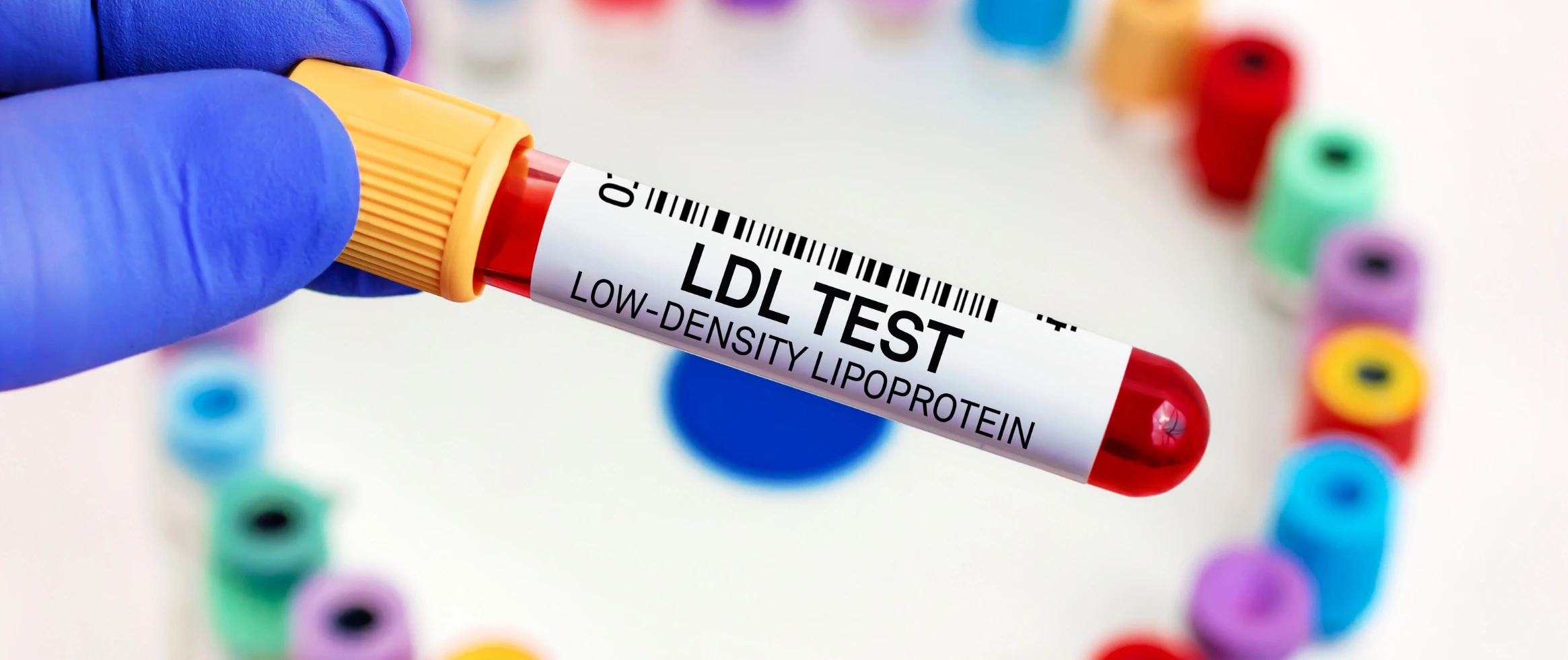
Let’s break it down in simple terms: LDL stands for Low-Density Lipoprotein, often called the “bad” cholesterol. But why the bad rap?
Imagine cholesterol like fat-carrying taxis in your bloodstream. LDL carries cholesterol from your liver to different parts of your body. That’s fine—until it leaves too much behind in your arteries, forming plaques that narrow or block blood flow. This is what increases your risk of heart attack or stroke.
So, when someone asks, “What is LDL cholesterol?”, the short answer is: it’s a type of cholesterol that, when too high, can damage your heart and blood vessels.
This is a question many people ask, especially after a routine blood test.
The Simple Answer:
Fun Analogy:
Knowing your numbers is half the battle. Here's what doctors generally recommend:
If your LDL cholesterol is high, it means your heart is under more pressure than it should be.
If your test report says your LDL is high, here’s what it could imply:
But here’s the good news: You can lower your LDL cholesterol naturally—without medications in many cases.
You don’t need to overhaul your entire life overnight. Even small changes can bring big wins over time.
Soluble fiber is your best friend. Try:
Healthy fats from:
Avoid trans fats and saturated fats found in:
Aim for at least 30 minutes of moderate activity, five days a week. Brisk walking, swimming, or cycling can significantly help.
Within just 24 hours of quitting, your blood pressure and circulation start improving. Over time, your HDL (good cholesterol) increases too.
While an occasional glass of wine may help HDL, excessive alcohol does more harm than good. Stick to moderate limits or avoid it altogether.
Even losing 5–10% of your body weight can lower LDL cholesterol significantly.
Several factors could be raising your LDL levels:
Wondering if your LDL levels are safe? The first step is a simple lipid profile test, which measures your total cholesterol, LDL, HDL, and triglycerides.
At Pathkind Labs, our Healthkind Advance and Platinum packages include:
Book a test today. Because prevention starts with awareness.
LDL cholesterol doesn’t need to be feared—it just needs to be understood and managed. With the right habits, awareness, and timely testing, you can take full control of your heart health.
Remember: Healthy changes today mean a healthier tomorrow. So, lace up your shoes, choose those fruits over fries, and check your numbers regularly.
Discover precision diagnostics with Pathkind Labs, a trusted name in diagnostic services in India. Our NABL accredited labs, equipped with advanced technology, are staffed by a certified team of over 200+ senior pathologists and 2000+ technicians. From tailored health check-ups to specialized tests in Oncology, Neurology, Gynaecology, Nephrology, and more, we've got your health covered. Skip the hassle with online booking for tests or check-ups, available for both lab visits and at-home blood collection. For a seamless experience and early detection, choose Pathkind Labs in Gurugram. Book your appointment today and experience diagnostics made easy.
© 2026 Pathkind Diagnostics Pvt. Ltd. All Rights Reserved | Unsubscribe











 Track Sample
 Upload Prescription