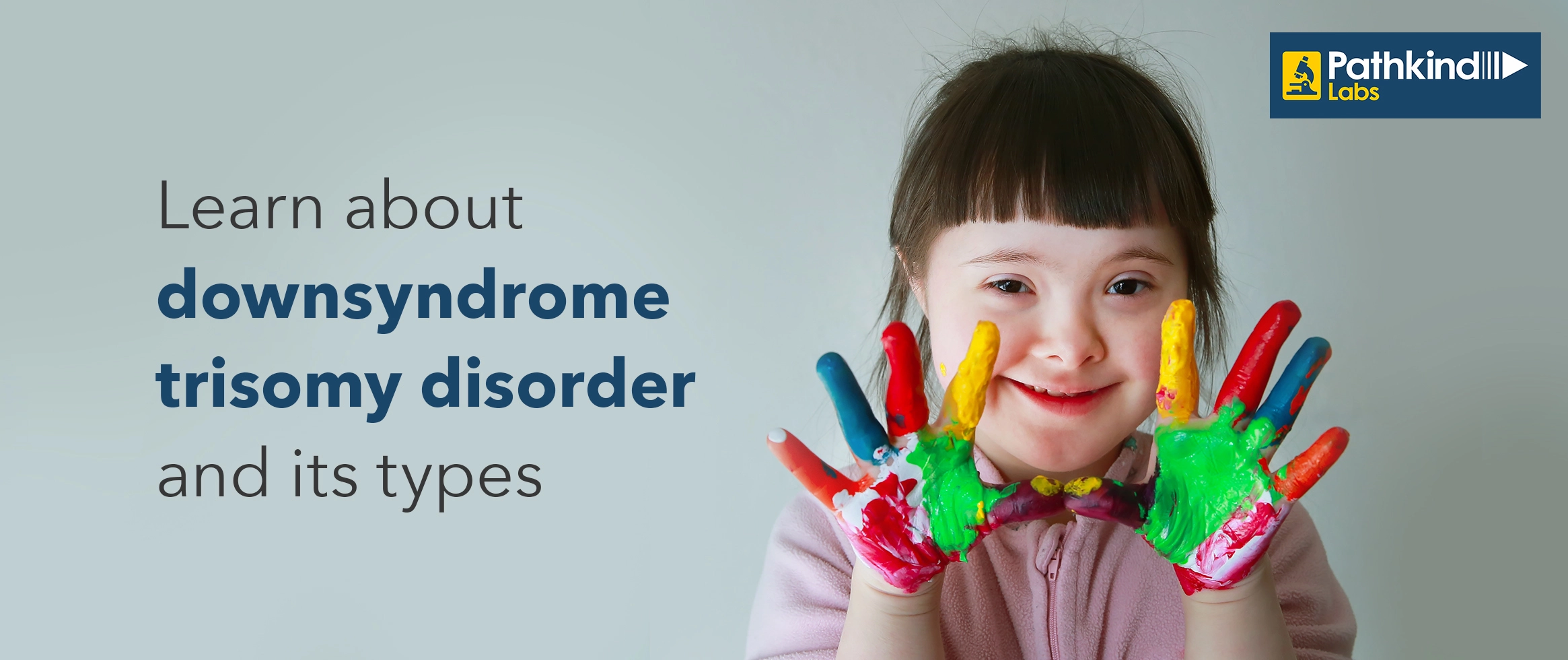
Down syndrome trisomy is a genetic disorder with many complexities and is frequently misconceived. Understanding genetic disorders like trisomy is crucial for increasing awareness and promoting inclusion and empathy in our societies.
In this blog, we'll learn about Down syndrome disorder, focusing on its different types, diagnosis, and the latest research advancements. By the end, you'll gain valuable insights into trisomy diseases, helping you to be more informed and compassionate towards people affected by them.
Down syndrome is a genetic condition caused by an additional chromosome in the body. This extra genetic material affects the development of both brain and physical attributes. It’s a random condition and not something that is passed from one person to another. It often occurs by chance during cell division, before or just when pregnancy begins. Thus, anyone can have Down syndrome disorder regardless of their origin or family medical history.
Down syndrome is divided into three categories based on the additional number (copy) of chromosomes.
Prenatal screening tests, such as blood tests and ultrasounds are commonly used to detect Down syndrome disorders. This test signals early signs of chromosomal abnormalities. When we find a possible problem, doctors might suggest more tests like amniocentesis or chorionic villus sampling to confirm the diagnosis. After the baby is born, doctors watch its body closely and can perform genetic tests to check for a trisomy disorder.
Scientists and doctors are always searching for in-depth knowledge about trisomy disorders, looking into different areas of study. Better medical treatments and help have greatly enhanced how people with these conditions and their families live. Programs for early help, special doctor treatment, and learning support are pivotal to helping people with trisomy conditions deal with life's difficulties and important moments.
The knowledge of Down syndrome trisomy diseases and the different kinds, like trisomy 21 disease and trisomy 18 disease, helps us understand others better and brings inclusivity to our society. We can together make a world that values and celebrates each person for who they are by accepting diversity and supporting inclusion, no matter their genetic background.
Discover precision diagnostics with Pathkind Labs, a trusted name in diagnostic services in India. Our NABL accredited labs, equipped with advanced technology, are staffed by a certified team of over 200+ senior pathologists and 2000+ technicians. From tailored health check-ups to specialized tests in Oncology, Neurology, Gynaecology, Nephrology, and more, we've got your health covered. Skip the hassle with online booking for tests or check-ups, available for both lab visits and at-home blood collection. For a seamless experience and early detection, choose Pathkind Labs in Gurugram. Book your appointment today and experience diagnostics made easy.
© 2026 Pathkind Diagnostics Pvt. Ltd. All Rights Reserved | Unsubscribe











 Track Sample
 Upload Prescription