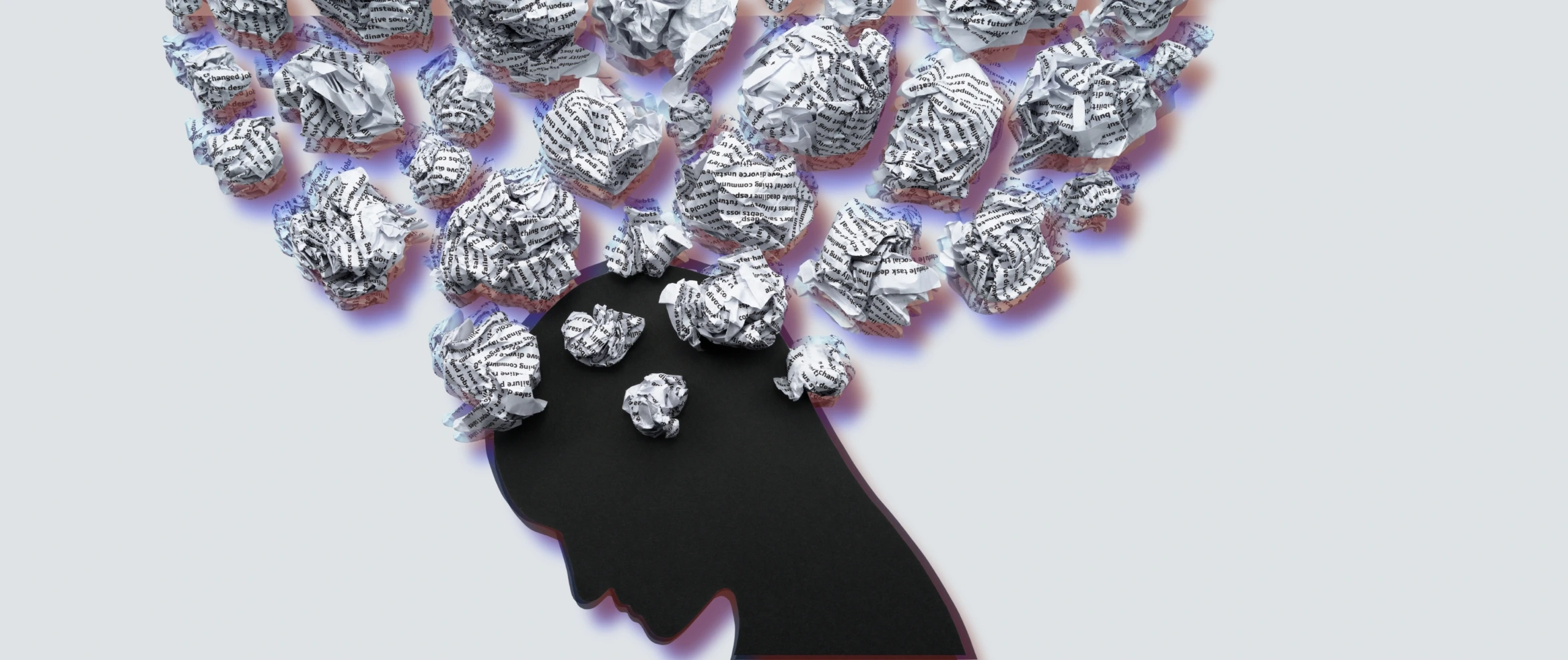
Have you ever found yourself lying awake at night, not because of noise or caffeine, but because your thoughts simply won’t let you rest? Or maybe you've noticed a loved one struggling to get through daily life, emotionally drained, but unsure why. You're not alone—and you're certainly not helpless.
Mental disorders affect millions of people worldwide, yet conversations around them often carry a cloud of stigma or confusion. This blog aims to change that. We're here to help you understand the types of mental health disorders, how they're diagnosed, and—most importantly—how they can be treated.
Mental disorders, also known as mental health disorders, are conditions that affect how you think, feel, behave, or relate to others. Just like physical illnesses, these conditions are real and can be treated.
But unlike a fever or a broken bone, mental disorders don’t always show visible signs—which makes understanding and addressing them even more important.
Before diving into types and treatments, it’s important to remember:
Mental disorders come in many forms. Some are short-term, others are chronic. Here’s a breakdown of the most commonly diagnosed types:
These include:
Symptoms: Constant worry, restlessness, rapid heartbeat, sweating, and difficulty concentrating.
Relatable story: Think of a student preparing for an exam—not just nervous, but paralyzed by dread every time they open their book.
Most common: Major Depressive Disorder and Persistent Depressive Disorder.
Symptoms: Persistent sadness, loss of interest, fatigue, feelings of worthlessness, sleep issues.
Note: Depression is not just “feeling down” for a day or two—it lasts for weeks or longer and interferes with daily life.
Previously called manic-depressive illness, it involves mood swings that range from depressive lows to manic highs.
Mania symptoms: High energy, impulsive decisions, racing thoughts.
Depression symptoms: Same as above in depressive disorders.
These are severe and affect perception of reality.
Symptoms:
It’s not a “split personality,” as many mistakenly believe.
Usually occurs after exposure to traumatic events like violence, war, or accidents.
Symptoms: Flashbacks, nightmares, severe anxiety, and emotional numbness.
These include:
These disorders are not just about food—they’re about emotional health, control, and self-perception.
More common in children:
These affect how a person thinks, behaves, and interacts with others over the long term.
Examples:
Contrary to popular belief, there’s no single blood test or brain scan that can confirm a mental disorder. Diagnosis is done through:
Psychologists or psychiatrists use structured questionnaires to assess symptoms and patterns.
Includes mental status exams, behavior assessments, and cognitive function tests.
Sometimes used to rule out physical conditions like thyroid problems or vitamin deficiencies that may mimic mental symptoms.
Tip: If you're unsure, start with a general physician—they can refer you to a mental health specialist.
The good news? Most mental disorders are treatable. With the right approach, people can live full, productive lives.
Here are the main treatment options:
Important: Medications should always be prescribed and monitored by a licensed psychiatrist.
These aren’t just “wellness buzzwords”—they’re proven to help reduce symptoms and improve well-being.
Being in a community of people who “get it” can be incredibly empowering.
Required in severe cases where safety is a concern.
If you or someone you know:
Please don’t wait. Mental health care is healthcare.
In India, organizations like iCall, Vandrevala Foundation, and NIMHANS Helpline offer free emotional support.
Start small, start now:
Remember: You don’t need to be in crisis to seek therapy. Mental health care is for everyone—just like exercise or a healthy diet.
Let’s break the silence around mental health, not just with hashtags or slogans—but through real conversations, empathy, and support.
If you or a loved one is struggling with mental disorders, know that help exists, hope is real, and healing is possible.
Discover precision diagnostics with Pathkind Labs, a trusted name in diagnostic services in India. Our NABL accredited labs, equipped with advanced technology, are staffed by a certified team of over 200+ senior pathologists and 2000+ technicians. From tailored health check-ups to specialized tests in Oncology, Neurology, Gynaecology, Nephrology, and more, we've got your health covered. Skip the hassle with online booking for tests or check-ups, available for both lab visits and at-home blood collection. For a seamless experience and early detection, choose Pathkind Labs in Gurugram. Book your appointment today and experience diagnostics made easy.
© 2026 Pathkind Diagnostics Pvt. Ltd. All Rights Reserved | Unsubscribe











 Track Sample
 Upload Prescription