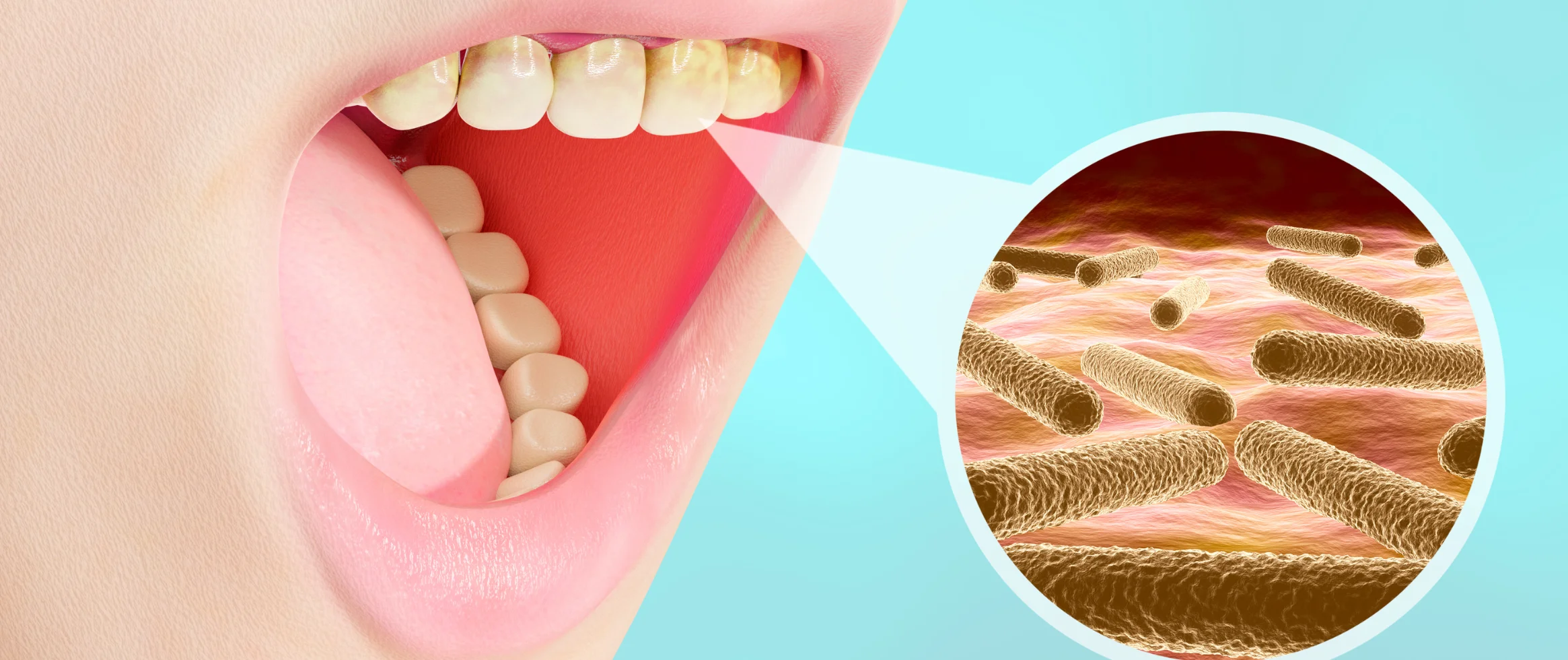
Imagine waking up with an unexplained swelling inside your mouth, a foul smell, or even tiny white worms moving near your gums—sounds terrifying, right? Unfortunately, this rare but real condition known as oral myiasis or mouth larvae infection can happen when fly larvae infest the soft tissues of your mouth.
Let’s understand what causes this unusual infection, how to spot early symptoms, and the best treatments for mouth larva degloved cases.
“Mouth larva degloved” refers to a severe stage of oral myiasis, a parasitic infection caused by fly larvae (maggots) living and feeding on the tissues inside the mouth.
In medical terms, degloved indicates the peeling or loss of soft tissue—this happens when the larvae damage gums, lips, or inner cheeks, exposing raw tissue.
Though uncommon, it’s a serious infection that demands immediate medical attention.
How can maggots end up in your mouth? It usually starts when flies lay eggs in open wounds, decaying tissue, or poor oral hygiene areas. Here are the main causes:
1. Poor Oral Hygiene
Neglected oral care leads to foul breath, gum disease, and infections—all of which attract flies to lay eggs.
2. Open Mouth Wounds
Cuts, ulcers, or post-dental extraction wounds provide perfect breeding grounds for larvae.
3. Poor Living Conditions
Unsanitary environments, lack of hygiene, and exposure to open garbage or animals increase the risk.
4. Chronic Illness or Disability
People who are bedridden, mentally challenged, or unable to maintain oral hygiene are more vulnerable.
5. Alcohol or Drug Addiction
Substance abuse can lead to neglect of personal hygiene and oral care, allowing infections to set in.
6. Rural or Tropical Climate
Hot and humid conditions promote fly activity, making oral myiasis more common in tropical countries.
The symptoms depend on how deep the larvae have penetrated the tissues. Early diagnosis can prevent severe tissue damage.
Here’s what to look for:
In severe cases, mouth larva degloved can cause extensive tissue loss, resulting in visible deformities of lips or jawline.
While anyone can technically develop oral myiasis, certain groups are more susceptible:
If you’re caring for someone bedridden or elderly, watch closely for these symptoms. A simple daily mouth cleaning routine can prevent infection.
Doctors usually diagnose oral myiasis based on clinical examination—the presence of moving larvae confirms it.
Common Diagnostic Steps:
If you suspect a case of maggots in mouth, do not attempt self-removal—you may push larvae deeper into the tissue. Visit a healthcare provider immediately.
The main goal of treatment is to remove the larvae completely, clean the wound, and prevent reinfection.
1. Manual Larva Removal
2. Topical Application of Agents
Certain substances make larvae surface, easing extraction:
3. Antibiotic Therapy
After removal, doctors prescribe antibiotics to prevent secondary bacterial infection.
4. Pain Management
Painkillers and anti-inflammatory drugs are used to manage discomfort.
5. Reconstructive Surgery (in severe cases)
When large areas are degloved or destroyed, plastic surgery may be needed to restore normal appearance and function.
Once mouth larva removal is done, aftercare is crucial to avoid reinfection:
For bedridden patients, caregivers should clean the mouth gently using cotton swabs and check for wounds or odor daily.
Ignoring maggots in mouth can lead to life-threatening complications, such as:
Early medical intervention prevents these outcomes and ensures full recovery.
You can easily prevent oral myiasis through consistent hygiene and awareness:
1. Maintain Oral Cleanliness
Brush twice daily and rinse after meals to prevent foul odor or decay.
2. Protect Open Wounds
Cover mouth wounds and avoid sleeping with your mouth open, especially in rural or tropical regions.
3. Improve Living Conditions
Dispose of waste properly and keep surroundings clean to reduce fly breeding.
4. Regular Dental Visits
Routine check-ups help catch early signs of infection or decay.
5. Nutrition and Immunity
Eat a balanced diet to keep gums healthy and strengthen immunity.
If you notice symptoms like persistent mouth odor, swelling, or visible white worms, get tested immediately.
Pathkind Labs offers advanced diagnostic tests to detect bacterial or parasitic infections early, including:
You can book home sample collection through Pathkind Labs’ website for convenience and privacy.
Early diagnosis ensures timely treatment and helps prevent serious tissue damage.
Seek immediate medical care if you notice:
Delaying treatment can lead to mouth larva degloved conditions requiring surgery.
Mouth larvae infection might sound like something out of a horror story, but it’s a medical reality that can be treated effectively when diagnosed early. Maintaining oral hygiene, protecting wounds, and getting prompt medical help can save you from severe tissue damage or even deformity.
If you or someone you care for shows early signs of infection, book a diagnostic test at Pathkind Labs or visit your nearest doctor for immediate evaluation.
Discover precision diagnostics with Pathkind Labs, a trusted name in diagnostic services in India. Our NABL accredited labs, equipped with advanced technology, are staffed by a certified team of over 200+ senior pathologists and 2000+ technicians. From tailored health check-ups to specialized tests in Oncology, Neurology, Gynaecology, Nephrology, and more, we've got your health covered. Skip the hassle with online booking for tests or check-ups, available for both lab visits and at-home blood collection. For a seamless experience and early detection, choose Pathkind Labs in Gurugram. Book your appointment today and experience diagnostics made easy.
© 2026 Pathkind Diagnostics Pvt. Ltd. All Rights Reserved | Unsubscribe











 Track Sample
 Upload Prescription