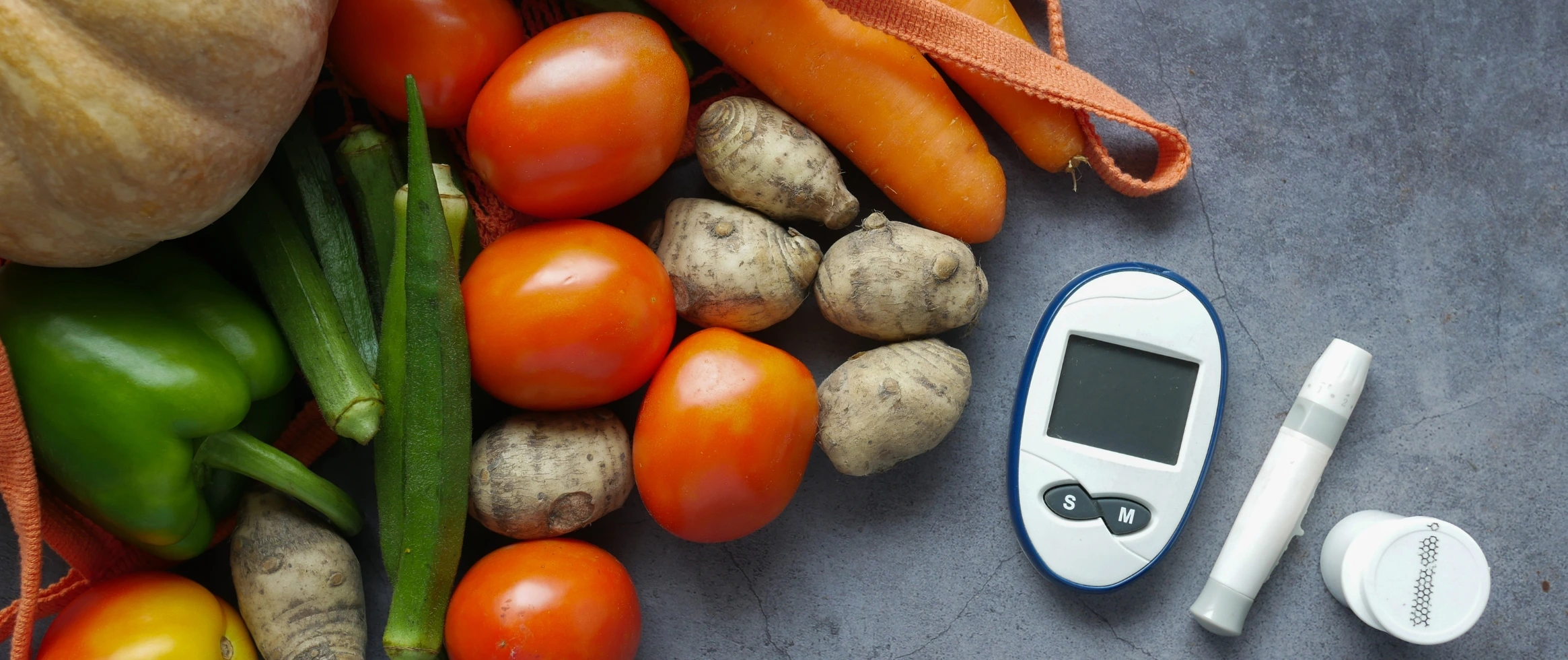
Have you ever checked your sugar level after a meal and wondered, “Is this normal, or should I worry?” You are not alone. This is one of the most common questions people ask after a routine health test, especially if diabetes runs in the family or they have been feeling tired, thirsty, or unusually hungry.
The truth is simple: blood sugar does rise after eating. That is normal. Your body breaks down carbohydrates into glucose, and that glucose enters your bloodstream. Then insulin helps move that glucose into your cells for energy. Problems start when blood sugar stays too high for too long or keeps swinging up and down. Over time, that can raise the risk of prediabetes, type 2 diabetes, heart disease, kidney disease, and nerve problems.
In this guide, you will learn the normal blood sugar level, the blood sugar level normal range before and after meals, what numbers may point to prediabetes or diabetes, and when it is smart to get tested.
Blood sugar, also called blood glucose, is the amount of sugar present in your blood at a given time. Your body uses it as its main source of energy. Blood sugar comes mostly from the food and drinks you consume, especially carbohydrates. Insulin, a hormone made by the pancreas, helps keep blood sugar in a healthy range. When this system is not working well, sugar can build up in the blood.
After you eat, especially a meal rich in rice, roti, bread, potatoes, sweets, or sugary drinks, your blood glucose naturally rises. In a healthy person, the body responds by releasing insulin so sugar can move into the cells. That is why post-meal sugar rises for a while and then starts coming down again.
This rise is completely normal. What matters is how high the blood sugar goes and how quickly it returns closer to baseline. If it stays high longer than it should, that may suggest insulin resistance, prediabetes, or diabetes.
Here is a simple normal blood sugar levels chart to help you understand the usual ranges.
These fasting, 2-hour, and A1C cutoffs are used by health professionals to screen for and diagnose prediabetes and diabetes.
This is the question most people care about: what is normal blood sugar level after eating?
For people without diabetes, a 2-hour blood sugar value of 140 mg/dL or below is generally considered normal in diagnostic testing. For many people with diabetes, common treatment targets are less than 180 mg/dL about 1 to 2 hours after the start of a meal, though personal targets may differ based on age, pregnancy, overall health, and treatment plan.
That means:
One important detail many people miss: a home glucometer reading after a regular meal is not exactly the same as a lab-based oral glucose tolerance test. Meal size, timing, stress, sleep, activity, and medicines can all affect the result. So do not panic over one high number. Look for patterns.
The normal fasting blood sugar level is one of the most important numbers for diabetes screening.
A fasting blood sugar test is done after at least 8 hours without food or drink except water. According to CDC guidance:
This test is helpful because it shows your blood sugar when food is not influencing the result. If fasting blood sugar is high, it can be an early warning sign that the body is struggling to control glucose properly.
If you already have diabetes, your doctor may give you personal targets. For many adults with diabetes, CDC and NIDDK note these common goals:
These are treatment targets, not diagnosis numbers. That difference matters. Many people confuse “target for diabetes management” with “normal for someone without diabetes.” They are not always the same.
A post-meal sugar level may be concerning when:
High blood sugar is called hyperglycemia. For many people with diabetes, blood sugar above 180 mg/dL is considered too high. Symptoms can include feeling thirsty, tired, having blurry vision, and urinating too often.
If blood sugar is very high and ketones are present, diabetic ketoacidosis can develop, which is a medical emergency. CDC advises checking ketones if you are sick and your blood sugar is 240 mg/dL or above.
Sometimes the reason is obvious. A festival meal, sweets at a family gathering, late-night snacking, or skipping a walk can all push post-meal sugar up. In other cases, the cause is more medical.
Common reasons include:
It can feel frustrating when you think you ate “normally” but your reading still comes high. That happens more often than people realize, especially when sleep is poor, stress is high, or meals are eaten irregularly.
Many people live with high blood sugar for months without realizing it. Symptoms can be mild at first. CDC and NIDDK list common symptoms such as:
Low blood sugar can also happen, especially in people taking insulin or certain diabetes medicines. For most people with diabetes, blood sugar below 70 mg/dL is considered low. Symptoms may include shakiness, sweating, hunger, headache, dizziness, and confusion.
To understand your normal blood sugar level after meal, timing matters.
Most guidance uses about 2 hours after the start of a meal for comparison. That gives a clearer picture of how your body handled the food.
A few practical tips:
This helps you and your doctor spot patterns instead of reacting to one random number.
Doctors may recommend one or more of these tests:
1. Fasting Blood Sugar Test
Checks your sugar after at least 8 hours of fasting. It is commonly used to screen for prediabetes and diabetes.
2. HbA1c Test
Shows your average blood sugar over the last 2 to 3 months. An A1C below 5.7% is normal, 5.7% to 6.4% suggests prediabetes, and 6.5% or above may indicate diabetes.
3. Oral Glucose Tolerance Test
Measures blood sugar before and after a glucose drink. At 2 hours, a result of 140 mg/dL or below is normal, 140 to 199 mg/dL suggests prediabetes, and 200 mg/dL or above suggests diabetes.
If you want a more complete picture instead of guessing from symptoms, a doctor may advise tests such as fasting blood sugar, postprandial blood sugar, and HbA1c. For people looking for a convenient preventive health check, Pathkind Labs can be considered for routine diabetes-related screening and overall wellness testing.
You do not need extreme diets or impossible routines. Small, steady habits work better.
Eat Smarter
Choose balanced meals with fiber, protein, and healthy fats. These help slow the rise in blood sugar after eating.
Watch Portions
Even healthy food can raise sugar too much if the quantity is large.
Move After Meals
A short walk after lunch or dinner can help your body use glucose more effectively.
Sleep Well
Poor sleep can affect insulin sensitivity and make blood sugar harder to manage.
Manage Stress
Stress hormones can raise blood sugar, even if your food intake has not changed.
Test When Needed
If you have a family history of diabetes, are overweight, are age 45 or older, are physically inactive, or had gestational diabetes, screening is especially important. CDC also notes that screening recommendations include adults with overweight or obesity and at least one risk factor, and age-based screening begins earlier than many people think.
Please speak with a doctor if:
Catching abnormal blood sugar early can help prevent bigger problems later. Prediabetes is not harmless. It increases the risk of type 2 diabetes, heart disease, and stroke.
Knowing the normal blood sugar level after eating can save you from unnecessary worry and also help you catch a real problem before it grows.
To keep it simple:
One unusual reading is not the whole story. Patterns matter more. If your numbers are often high, do not ignore them. A simple blood test today can prevent serious health issues tomorrow.
Discover precision diagnostics with Pathkind Labs, a trusted name in diagnostic services in India. Our NABL accredited labs, equipped with advanced technology, are staffed by a certified team of over 200+ senior pathologists and 2000+ technicians. From tailored health check-ups to specialized tests in Oncology, Neurology, Gynaecology, Nephrology, and more, we've got your health covered. Skip the hassle with online booking for tests or check-ups, available for both lab visits and at-home blood collection. For a seamless experience and early detection, choose Pathkind Labs in Gurugram. Book your appointment today and experience diagnostics made easy.
© 2026 Pathkind Diagnostics Pvt. Ltd. All Rights Reserved | Unsubscribe











 Track Sample
 Upload Prescription