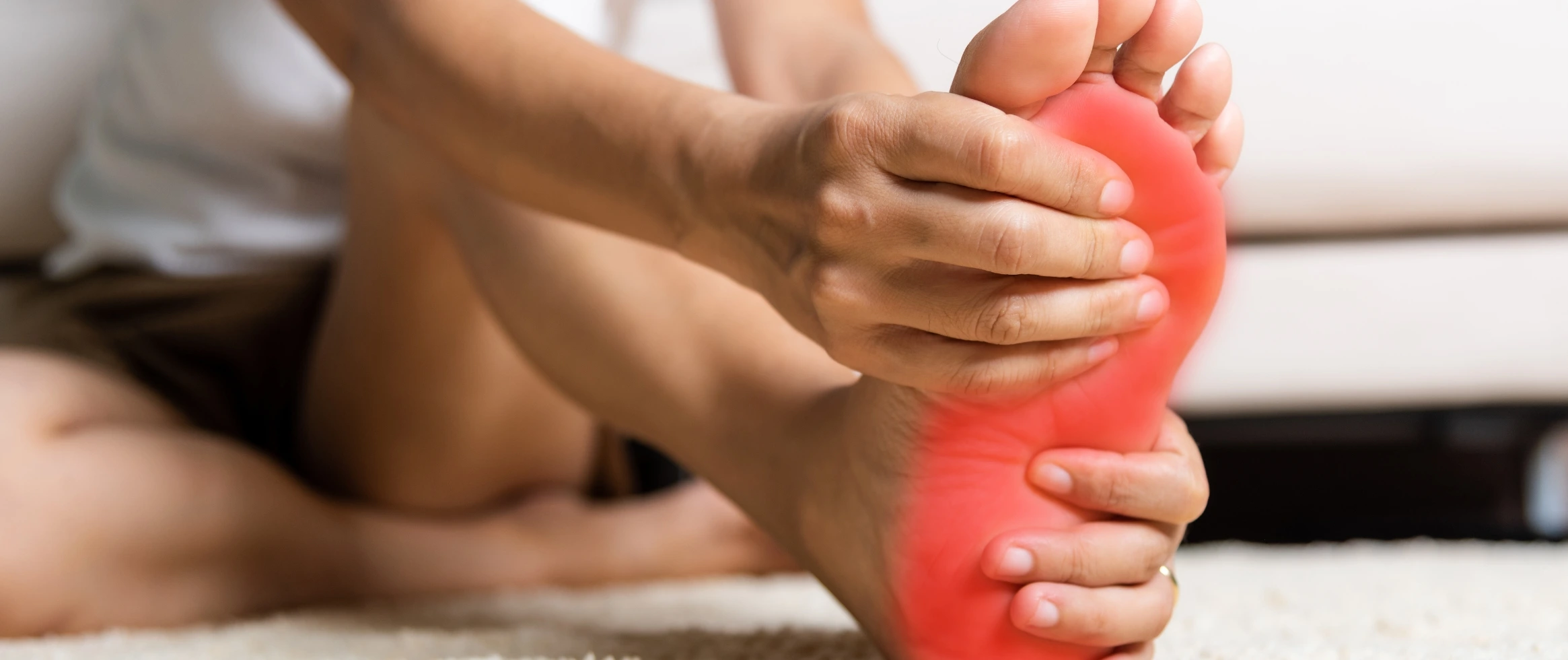
Have you ever stepped out of bed in the morning and felt a sharp pain in your heel? Many people ignore it at first, thinking it is just tiredness or strain from walking too much. But if the pain keeps coming back, especially after rest, it could be a sign of plantar fasciitis.
Plantar fasciitis is one of the most common reasons for heel pain. It affects people of all ages, especially those who stand for long hours, walk a lot, run frequently, or wear improper footwear. The good news is that early identification and proper care can help manage the condition effectively.
In this blog, we will understand what plantar fasciitis is, its symptoms, causes, treatment options, exercises, and ways to prevent it naturally.
Plantar fasciitis is a condition where the plantar fascia becomes irritated or inflamed. The plantar fascia is a thick band of tissue that connects your heel bone to your toes and supports the arch of your foot.
When too much pressure is placed on this tissue, tiny tears can develop, leading to pain and stiffness in the heel area.
People often describe the pain as:
The discomfort may improve after walking for a few minutes but can return later in the day.
Recognizing plantar fasciitis symptoms early can help prevent worsening pain and mobility issues.
1. Sharp Heel Pain in the Morning
This is the most common symptom. Many people feel intense heel pain during their first few steps after waking up.
Why does this happen?
During sleep, the plantar fascia tightens slightly. When you suddenly put pressure on your foot in the morning, the tissue stretches quickly, causing pain.
2. Pain After Long Periods of Rest
You may notice pain after:
The heel often feels stiff and sore initially.
3. Pain After Exercise, Not During
Interestingly, the pain may not appear while exercising. Instead, it often becomes worse after physical activity.
Common triggers include:
4. Tenderness in the Heel
Pressing the bottom of the heel may feel painful or sensitive.
5. Tightness in the Foot Arch
Some people also experience:
6. Swelling Around the Heel
In some cases, mild swelling or warmth around the heel may occur due to inflammation.
Understanding plantar fasciitis causes can help reduce your risk.
Overuse of the Feet
Continuous pressure from:
can strain the plantar fascia.
Improper Footwear
Wearing footwear without proper arch support is a major reason behind heel pain.
Examples include:
Obesity or Sudden Weight Gain
Extra body weight increases pressure on the feet, especially the heel area.
Tight Calf Muscles
Tight calf muscles can affect foot movement and place additional strain on the plantar fascia.
Flat Feet or High Arches
Both conditions can change how weight is distributed across the foot.
Aging
Plantar fasciitis is more common in adults between 40–60 years due to natural wear and tear.
Certain groups have a higher risk, including:
If your daily routine involves standing for many hours, paying attention to foot health becomes very important.
Doctors usually diagnose plantar fasciitis based on:
The doctor may check:
In some cases, imaging tests may be recommended to rule out other conditions.
These may include:
Most people recover with non-surgical plantar fasciitis treatment methods.
1. Rest and Activity Modification
Reducing activities that worsen heel pain is often the first step.
Try to avoid:
2. Ice Therapy
Applying ice packs for 15–20 minutes may help reduce pain and inflammation.
3. Proper Footwear
Supportive shoes can make a huge difference.
Look for shoes with:
Avoid walking barefoot on hard floors.
4. Pain Relief Medications
Doctors may suggest anti-inflammatory medications for temporary relief.
Always take medicines only after medical advice.
5. Orthotic Insoles
Custom shoe inserts can help support the arch and reduce strain on the heel.
6. Physiotherapy
A physiotherapist may recommend:
7. Night Splints
Night splints help keep the foot stretched while sleeping, reducing morning pain.
8. Advanced Treatments
In severe cases, doctors may suggest:
Simple plantar fasciitis exercises may improve flexibility and reduce discomfort over time.
Always perform exercises gently.
Calf Stretch
Stand facing a wall and place one foot behind the other. Lean forward slowly while keeping the back heel on the ground.
Hold for 20–30 seconds.
Towel Stretch
Sit with your legs extended. Wrap a towel around the ball of your foot and gently pull it toward you.
Toe Curls
Place a towel on the floor and try grabbing it using your toes.
This helps strengthen foot muscles.
Rolling Massage
Roll your foot over:
This may help reduce tightness.
Heel Raises
Slowly raise your heels while standing and lower them gradually.
Repeat gently.
Mild cases may improve with rest and lifestyle changes. However, ignoring symptoms can make the condition worse over time.
Some people continue to suffer for months because they delay treatment or continue activities that strain the foot.
Early care is always better.
Preventing heel pain is easier than dealing with long-term discomfort.
Wear Supportive Footwear
Choose shoes that support your arch and absorb shock properly.
Maintain a Healthy Weight
Managing body weight reduces pressure on the feet.
Stretch Regularly
Stretch your calves and feet before exercise.
Avoid Walking Barefoot on Hard Floors
Hard surfaces increase stress on the heel.
Replace Worn-Out Shoes
Old shoes lose cushioning and support over time.
Increase Exercise Intensity Gradually
Avoid sudden increases in workout duration or intensity.
Consult a healthcare professional if:
Ignoring ongoing heel pain may lead to chronic foot problems.
Sometimes heel pain may overlap with other health issues like:
Doctors may recommend blood tests or imaging tests to identify underlying causes.
Diagnostic centers like Pathkind Labs offer health checkups and diagnostic support that may help doctors evaluate related health concerns contributing to chronic pain and inflammation.
Small daily habits can support healing and reduce stress on your feet.
Helpful changes include:
Many people notice improvement simply by becoming more mindful of foot care.
Plantar fasciitis can make even simple daily activities uncomfortable. From morning heel pain to difficulty standing for long hours, the condition can affect work, exercise, and quality of life.
The good news is that identifying plantar fasciitis symptoms early can help you take the right steps before the pain becomes severe. Supportive footwear, stretching, rest, and proper treatment can often provide significant relief.
If heel pain continues for weeks or interferes with your daily routine, do not ignore it. Early diagnosis and professional guidance can make recovery smoother and faster.
Discover precision diagnostics with Pathkind Labs, a trusted name in diagnostic services in India. Our NABL accredited labs, equipped with advanced technology, are staffed by a certified team of over 200+ senior pathologists and 2000+ technicians. From tailored health check-ups to specialized tests in Oncology, Neurology, Gynaecology, Nephrology, and more, we've got your health covered. Skip the hassle with online booking for tests or check-ups, available for both lab visits and at-home blood collection. For a seamless experience and early detection, choose Pathkind Labs in Gurugram. Book your appointment today and experience diagnostics made easy.
© 2026 Pathkind Diagnostics Pvt. Ltd. All Rights Reserved | Unsubscribe











 Track Sample
 Upload Prescription