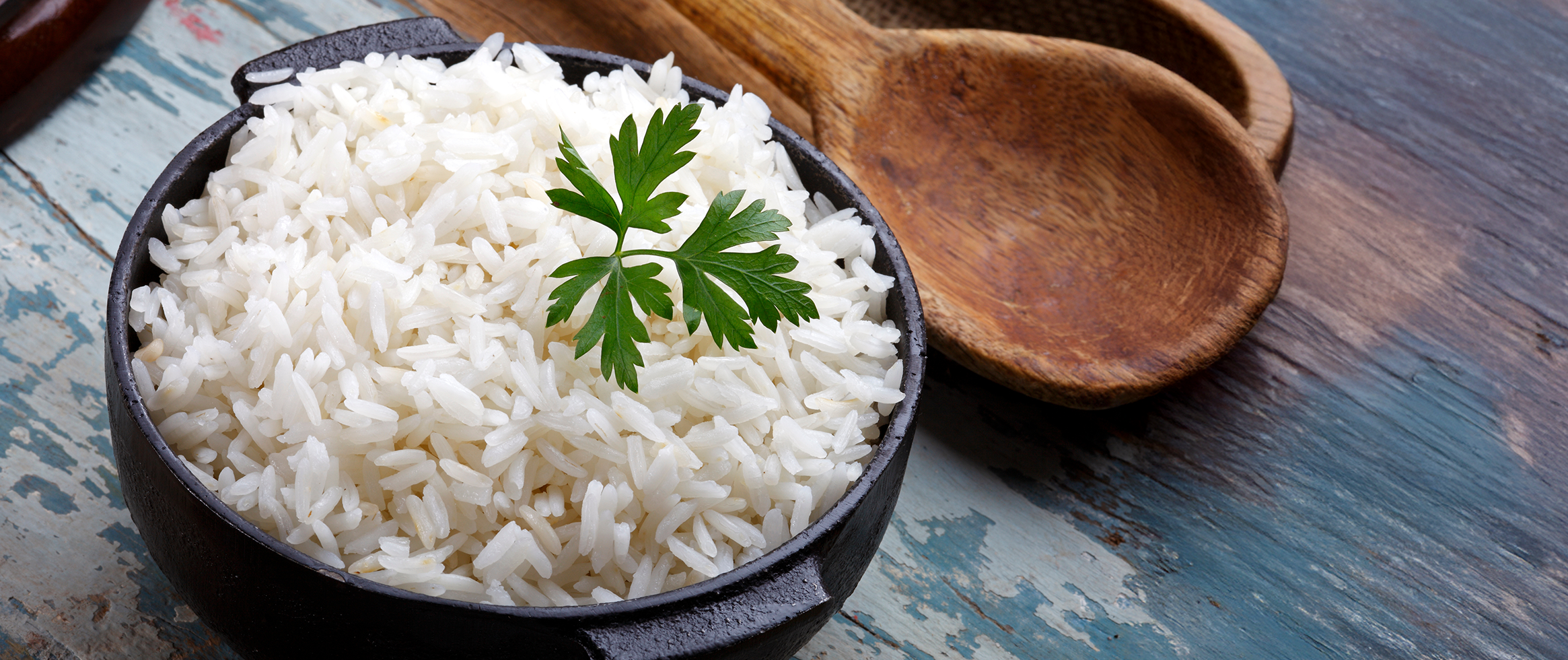
Rice is one of the world’s most consumed staples. Whether steamed, boiled, or part of a pulao, it provides a major portion of daily energy for millions. But what exactly is in rice, nutritionally speaking, and how does it impact health? In this article, we break down the rice nutrition facts for 100 g, compare white vs brown rice, and explore evidence-based health benefits (and caveats).
When we speak of “rice nutrition,” “rice nutrition facts,” or “nutritional value of rice,” it’s important to specify whether we mean cooked rice or raw, and which variety (white, brown, basmati, etc.). Below is a commonly used benchmark: 100 g of uncooked white rice and 100 g of cooked white rice differ greatly. However, many published articles (such as Medical News Today) refer to 100 g of cooked rice for practical serving comparisons.
Here is a typical reference for 100 g of cooked white rice (short-grain, unenriched):
Key Micronutrients - Manganese, B-vitamins (thiamin, niacin), iron (often enriched)
Note: Raw (dry) rice has vastly more calories per 100 g (since it contains little water). For practical use, the cooked values are more relevant.
When people search “rice nutrition facts 100g” or “white rice nutrition”, many expect these cooked measures. That’s why this article primarily uses the cooked reference
One recurring question is: Is white rice or brown rice better? Below is a comparison based on current evidence and nutrition data.
Because white rice is refined, many of the nutritive parts (bran, germ) are lost. Brown rice retains these, giving it an edge in fiber, minerals, and beneficial compounds.
However, each type can have its place depending on dietary needs, digestive health, and preferences.
While rice is often criticized as a “refined carb,” especially in its white form, it does offer several benefits , especially when consumed wisely:
Energy and Carbohydrate Supply
Rice is a rich source of digestible carbohydrates, giving a quick energy boost. For athletes or those needing immediate glycogen replenishment (e.g. after training), white rice is sometimes preferred because it’s easier to digest and spikes blood sugar temporarily.
Support for Heart & Metabolic Health
Whole grains (like brown rice) have been associated with lower cholesterol levels and reduced risk of heart disease, stroke, obesity, and type 2 diabetes.
The fiber helps regulate blood sugar and aids in weight management.
Gut Health & Resistant Starch
Rice contains a type of fiber called resistant starch, especially after it cools, which can promote gut health, reduce inflammation, and support colon barrier function.
Antioxidant and Plant Compounds
Brown rice’s bran contains antioxidants (lignans, ferulic acid) and phytochemicals that may protect against chronic conditions including cancer, vascular damage, and chronic inflammation.
Gluten-Free Diet
Rice is naturally gluten-free (white or brown), making it safe for people with celiac disease or gluten sensitivity.
To maintain trustworthiness, it’s essential to mention possible downsides and safe practices.
To maximize the benefits and minimize risks, consider:
Discover precision diagnostics with Pathkind Labs, a trusted name in diagnostic services in India. Our NABL accredited labs, equipped with advanced technology, are staffed by a certified team of over 200+ senior pathologists and 2000+ technicians. From tailored health check-ups to specialized tests in Oncology, Neurology, Gynaecology, Nephrology, and more, we've got your health covered. Skip the hassle with online booking for tests or check-ups, available for both lab visits and at-home blood collection. For a seamless experience and early detection, choose Pathkind Labs in Gurugram. Book your appointment today and experience diagnostics made easy.
© 2026 Pathkind Diagnostics Pvt. Ltd. All Rights Reserved | Unsubscribe











 Track Sample
 Upload Prescription