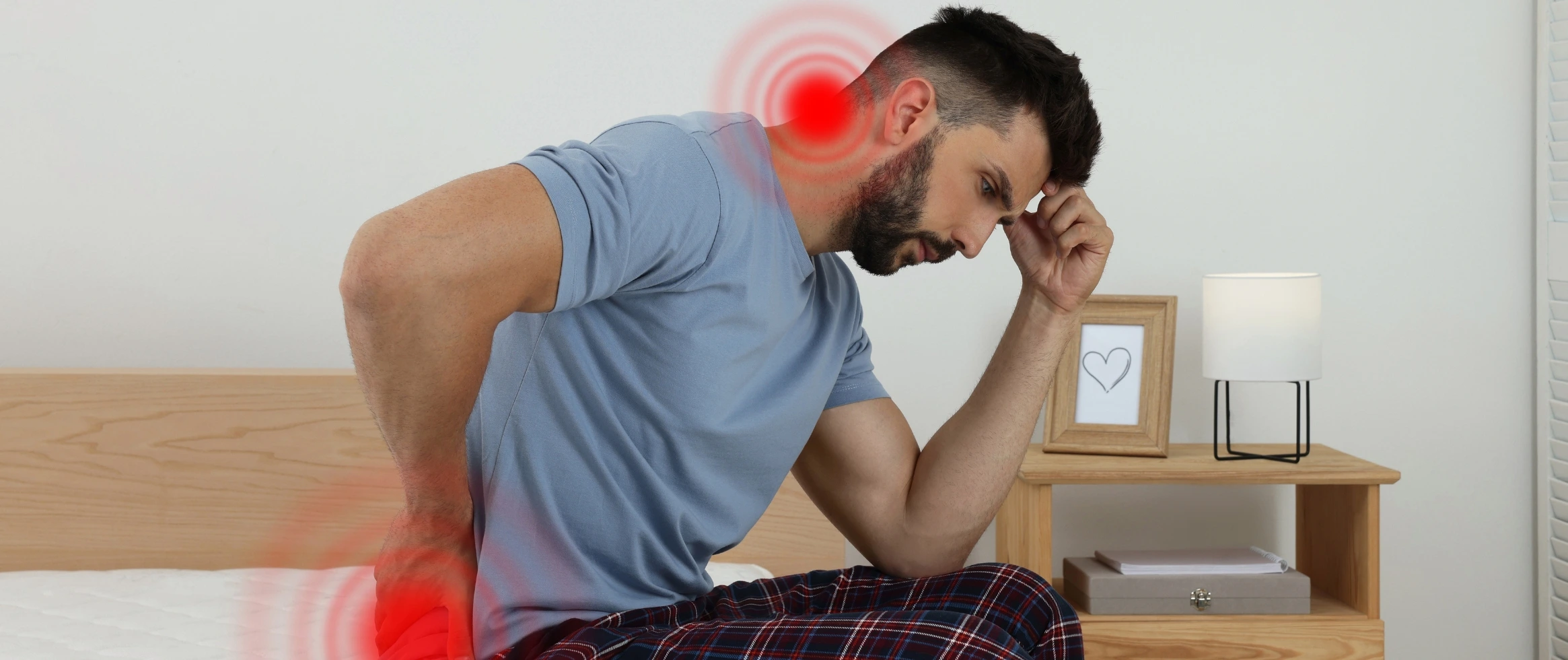
That sharp pain shooting from your lower back down your leg can make even simple movements uncomfortable. Sitting for long hours, bending to pick something up, or even turning in bed can suddenly feel difficult. If this sounds familiar, you may be experiencing sciatica.
Sciatica is not a disease on its own. It is a symptom caused by irritation or compression of the sciatic nerve, the longest nerve in the body. The good news is that with the right understanding and care, sciatica pain can be managed effectively.
This guide explains sciatica in clear, simple terms and covers its causes, symptoms, treatments, and practical pain relief tips you can use in everyday life.
Sciatica refers to pain that follows the path of the sciatic nerve. This nerve starts in the lower spine, passes through the hips and buttocks, and runs down each leg.
Most people feel sciatica pain on only one side of the body. The pain can range from mild discomfort to intense, burning or stabbing pain that interferes with daily activities.
A common misunderstanding is that sciatica is only a back problem. In reality, it is a nerve-related condition that often begins in the spine but shows symptoms mainly in the leg.
Knowing the sciatica causes is the first step toward long-term relief and prevention.
Common Causes of Sciatica
Sciatica symptoms may differ in intensity, but they usually follow a clear pattern.
Common Symptoms Include
Many people describe the pain as electric shock–like, especially when coughing, sneezing, or making sudden movements.
Doctors often diagnose sciatica based on symptoms and a physical examination. To identify the exact cause, additional tests may be advised.
Diagnostic Tests May Include
At Pathkind Labs, advanced diagnostic testing helps rule out inflammation, vitamin deficiencies, infections, or metabolic issues that may worsen nerve pain. Accurate diagnosis supports more targeted and effective treatment.
Most cases of sciatica improve with conservative care. Sciatica treatments depend on the severity of pain and underlying cause.
Medical Treatment Options
Doctors usually recommend non-surgical treatments first, as many people recover within a few weeks.
Simple lifestyle changes can significantly reduce discomfort and speed up recovery.
Effective Sciatica Pain Relief Tips
Consistency is key. Small daily habits often bring better results than occasional intense efforts.
Targeted exercises improve flexibility and prevent repeat episodes.
Beginner-Friendly Exercises
A physiotherapist can help design a safe exercise plan based on your pain level and mobility.
Consult a healthcare professional if:
Early medical advice can prevent complications and long-term nerve damage.
Prevention plays a major role in avoiding recurring pain.
Prevention Tips
Protecting your spine today helps avoid nerve pain tomorrow.
Sciatica can be painful and frustrating, but it is highly manageable. By understanding sciatica causes, recognizing symptoms early, and following the right treatment plan, most people regain comfort and mobility.
If sciatica pain keeps returning or affects your daily routine, timely diagnosis and preventive health checks from reliable labs like Pathkind Labs can provide clarity and peace of mind.
Your spine supports every move you make. Taking care of it today helps ensure a healthier, pain-free tomorrow.
Discover precision diagnostics with Pathkind Labs, a trusted name in diagnostic services in India. Our NABL accredited labs, equipped with advanced technology, are staffed by a certified team of over 200+ senior pathologists and 2000+ technicians. From tailored health check-ups to specialized tests in Oncology, Neurology, Gynaecology, Nephrology, and more, we've got your health covered. Skip the hassle with online booking for tests or check-ups, available for both lab visits and at-home blood collection. For a seamless experience and early detection, choose Pathkind Labs in Gurugram. Book your appointment today and experience diagnostics made easy.
© 2026 Pathkind Diagnostics Pvt. Ltd. All Rights Reserved | Unsubscribe











 Track Sample
 Upload Prescription