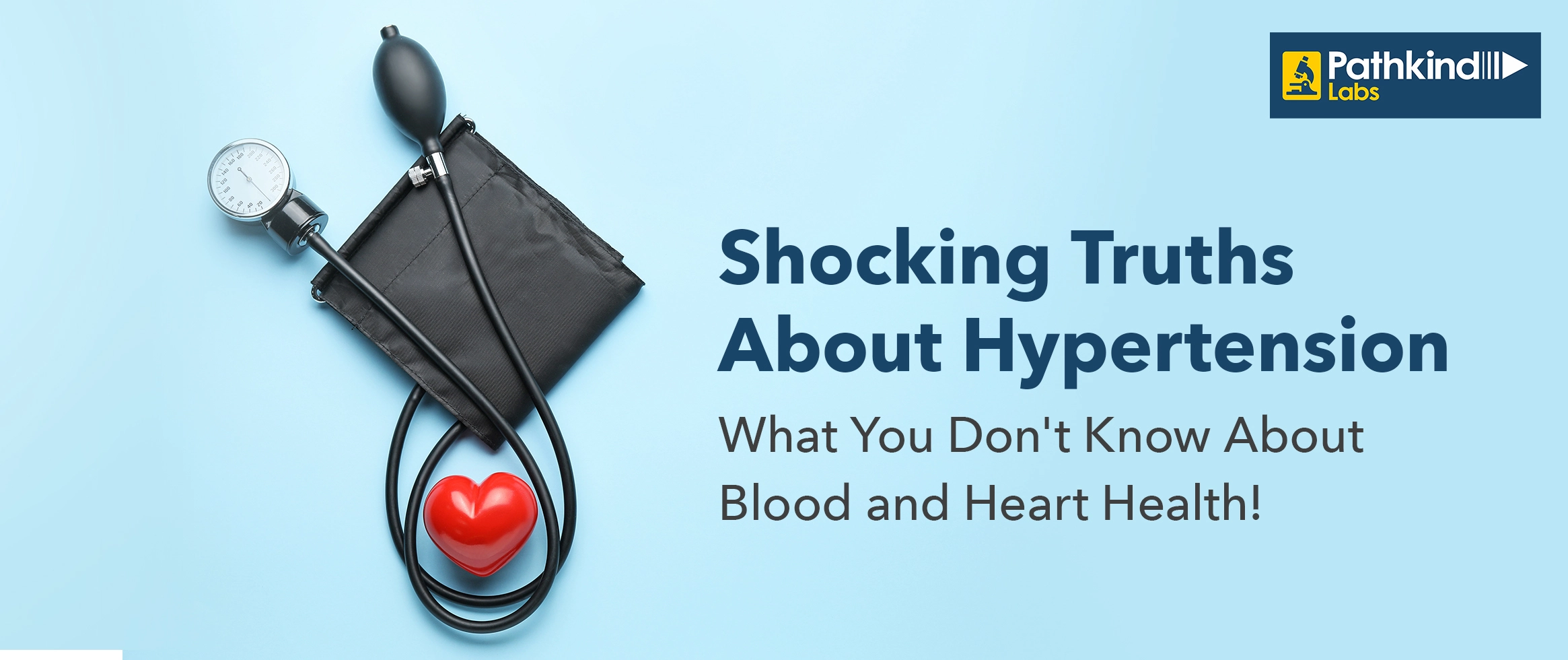
Don't underestimate the silent threat of high blood pressure, often nicknamed the "silent killer." This condition can silently damage your cardiovascular system for years without causing any noticeable symptoms. It's crucial to be aware of the hidden dangers of hypertension and take steps to manage your blood pressure for a healthy heart and future.
Blood pressure readings are given in millimeters of mercury (mm Hg). A reading of 130/80 mm Hg or higher is typically considered hypertension, or high blood pressure.
While many people with hypertension experience no symptoms at all, some may experience subtle signs, especially when blood pressure reaches very high levels. Here's what to watch out for:
Frequent or severe headaches, particularly in the morning, can be a sign of uncontrolled hypertension.
Sudden nosebleeds can occur due to the increased pressure in your arteries.
This can happen when blood flow to the brain is reduced due to high blood pressure.
Blurred vision: Changes in vision, like temporary blurring or double vision, can sometimes be a symptom of hypertensive retinopathy, damage to the blood vessels in the eyes caused by high blood pressure.
You might feel more tired than usual or have difficulty sleeping soundly.
While chest pain is a more common symptom of angina or heart attack, it can also occur in some cases of severe hypertension.
While you might think table salt is the biggest culprit, many everyday foods sneak in large amounts of sodium. Some surprising sources are bread and rolls, poultry, meat dishes, cheeseburgers, deli meats, pizza, pasta sauces, soups, cheese, and even seemingly harmless snacks like potato chips and pretzels. Be mindful of these hidden sodium bombs to keep your dietary intake in check.
Moderate alcohol consumption can positively impact your blood pressure. Limiting daily intake to 2 drinks for men and 1 drink for women may reduce systolic blood pressure by 2-4 mm Hg.
Medicines bring your blood pressure level down but they do not cure it. Therefore, maintaining a healthy lifestyle is still required.
The response of your body to stress and anxiety affects the heart rate and blood pressure, hence increasing your blood pressure.
This stands for Dietary Approaches to Stop Hypertension. It focuses on delicious, nutritious meals rich in fruits, vegetables, and whole grains, while keeping saturated fat and added sodium in check. Limiting alcohol is also part of the plan. A registered dietitian can help you create a personalized DASH plan that fits your taste buds and keeps your blood pressure numbers happy!
Studies reveal a critical window for blood pressure control. Uncontrolled hypertension during midlife (44-66) appears to significantly raise the risk of developing dementia in later years.
Blood pressure screening is a crucial part of maintaining your overall health. The frequency of these checks depends on your age and overall health status.
Starting at age 18, it's recommended to ask your doctor for a blood pressure reading at least every two years. If you're 40 or older, or younger (18-39) with a higher risk of developing high blood pressure, yearly checks are advised. For those with existing high blood pressure or other heart disease risk factors, your doctor will likely recommend more frequent monitoring to manage your health and prevent complications. Even children as young as 3 may have their blood pressure measured during their yearly checkups.
Remember, early detection is key. By incorporating regular blood pressure checks into your routine, you and your doctor can work together to maintain healthy blood pressure and safeguard your heart health for years to come.
Early detection and management of high blood pressure are essential for preventing serious health complications. If you don't have a regular doctor, there are still ways to get screened. Many communities offer free blood pressure checks at health fairs or other events. Some stores and pharmacies even have free blood pressure machines available for public use. However, the accuracy of these machines can vary depending on factors like cuff size and proper technique. If you choose to use a public machine, it's wise to consult your doctor for guidance on ensuring accurate readings. By incorporating regular blood pressure checks into your healthcare routine, you can take charge of your heart health and live a longer, healthier life.
Discover precision diagnostics with Pathkind Labs, a trusted name in diagnostic services in India. Our NABL accredited labs, equipped with advanced technology, are staffed by a certified team of over 200+ senior pathologists and 2000+ technicians. From tailored health check-ups to specialized tests in Oncology, Neurology, Gynaecology, Nephrology, and more, we've got your health covered. Skip the hassle with online booking for tests or check-ups, available for both lab visits and at-home blood collection. For a seamless experience and early detection, choose Pathkind Labs in Gurugram. Book your appointment today and experience diagnostics made easy.
© 2026 Pathkind Diagnostics Pvt. Ltd. All Rights Reserved | Unsubscribe










 Track Sample
 Upload Prescription