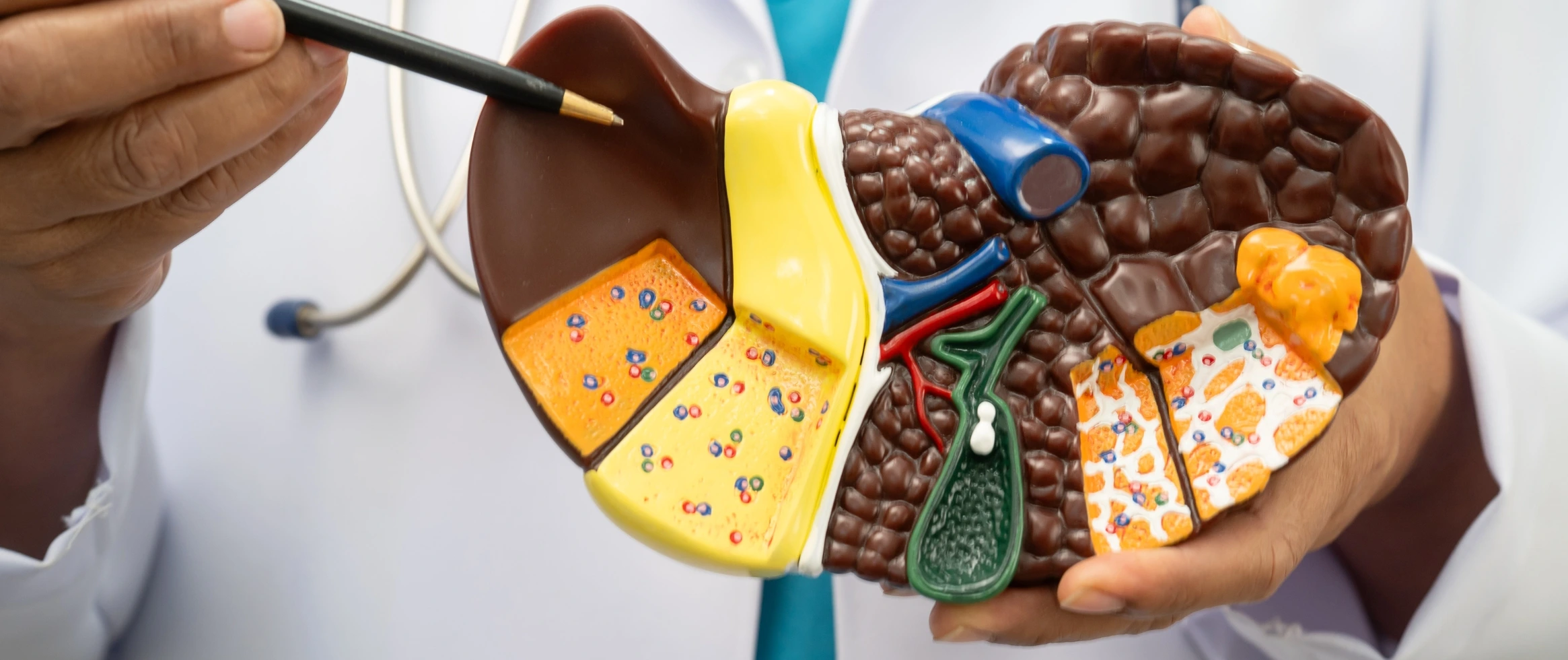
We often hear people say, “I need a liver detox.” Maybe it happens after a wedding season full of fried food, a holiday with late nights, or a few weeks of eating outside food more than usual. Your body feels heavy, digestion feels slow, and suddenly every “liver detox drink” on the internet starts looking tempting.
But here is the truth: your liver is already your body’s natural detox machine. It works quietly every day, filtering blood, processing nutrients, breaking down alcohol, supporting digestion, and helping remove waste. You do not need extreme juice cleanses or expensive detox kits to “clean” it.
What your liver really needs is support.
A good liver detox is not about starving yourself or drinking bitter juices for three days. It is about small, steady habits that reduce pressure on the liver and help it work better. Let’s understand how to detox liver naturally, safely, and practically at home.
In simple words, liver detox means supporting your liver so it can do its job properly. It does not mean flushing out toxins overnight.
Your liver naturally helps with:
Many detox products claim to “cleanse” the liver, but strong medical evidence for such claims is limited. Some supplements may even harm the liver if taken without medical advice.
So, instead of quick fixes, focus on food, hydration, sleep, activity, and regular health checks.
Your liver does not always shout when something is wrong. In many people, early liver problems may not show clear symptoms. That is why fatty liver, high liver enzymes, or alcohol-related liver stress can go unnoticed for a long time.
You may feel:
These symptoms do not always mean liver disease, but they should not be ignored. Liver function tests can help check markers like ALT, AST, bilirubin, alkaline phosphatase, and albumin, which may indicate liver stress or damage.
For preventive care, you can consider a Liver Function Test from a trusted diagnostic lab like Pathkind Labs, especially if you have frequent acidity, alcohol intake, obesity, diabetes, high cholesterol, or a family history of liver disease.
1. Start Your Morning with Water
One of the simplest liver detox habits is drinking enough water. Your body needs water to support digestion, blood circulation, kidney function, and waste removal.
You do not need fancy detox water every morning. Plain water works well.
You can also try:
These drinks may support hydration and digestion, but remember, they do not magically cleanse the liver. They simply help your body stay hydrated and function better.
2. Eat More Fibre-Rich Foods
If your plate is mostly refined carbs, fried snacks, sweets, and processed food, your liver has to work harder. Fibre helps support digestion, blood sugar balance, and healthy weight management.
Add these foods to your daily diet:
WHO recommends eating a variety of fruits, vegetables, pulses, whole grains, and lean protein as part of a healthy diet.
A simple Indian plate idea: dal, sabzi, salad, curd, and roti made with whole wheat or millet. Nothing fancy, just balanced.
3. Reduce Sugar and Refined Carbs
Many people connect liver damage only with alcohol. But excess sugar and refined carbs can also increase fat buildup in the liver.
Try to reduce:
A small change can help. For example, instead of having biscuits with tea twice daily, switch to roasted chana, makhana, peanuts, or fruit.
Before we talk about liver detox drinks, one thing is important: drinks alone cannot detox your liver. They can support hydration, digestion, and better eating habits when used wisely.
1. Lemon Water
Lemon water is refreshing and easy to make. It may help you drink more water during the day. Avoid adding sugar.
2. Beetroot and Carrot Juice
Beetroot and carrot contain antioxidants and nutrients. Keep the portion moderate and avoid adding salt or sugar.
3. Green Tea
Green tea contains antioxidants and can be a healthier replacement for sugary drinks. Do not overdrink it, especially on an empty stomach if it causes acidity.
4. Cucumber Mint Water
This is a light, cooling drink that helps hydration, especially during summer.
5. Amla Water
Amla is rich in vitamin C. You can take it as diluted amla juice or fresh amla, but avoid excess if you have acidity.
6. Coconut Water
Coconut water can be a good natural drink for hydration. People with kidney disease or potassium restrictions should ask a doctor first.
Leafy Greens
Spinach, methi, bathua, and mustard greens are rich in fibre and plant nutrients.
Garlic
Garlic is commonly used in Indian kitchens and may support heart and metabolic health when included as part of a balanced diet.
Turmeric
Haldi has antioxidant properties. Use it in normal food amounts instead of taking high-dose supplements without medical advice.
Nuts and Seeds
Almonds, walnuts, flaxseeds, and chia seeds provide healthy fats. Keep portions small because they are calorie-dense.
Protein-Rich Foods
Protein helps repair tissues and supports overall health. Choose:
Fruits
Good options include:
Avoid fruit juices as a daily habit because they can be high in sugar and low in fibre.
1. Limit Alcohol
Alcohol is one of the biggest stressors for the liver. If you drink, reducing alcohol can make a big difference. People with liver disease should avoid alcohol completely unless their doctor advises otherwise.
Alcohol-related liver disease can progress to serious conditions, including cirrhosis. Medical sources note that abstinence is a key part of managing alcohol-related liver injury.
2. Maintain a Healthy Weight
Excess weight, especially belly fat, increases the risk of fatty liver. You do not need extreme dieting. Start with simple steps:
Even modest weight loss can support liver health in people with fatty liver.
3. Exercise Regularly
Exercise helps your body use sugar and fat better. It also supports weight control and improves energy levels.
Try:
If you are not active, begin with 10 minutes daily. Slowly increase your time.
4. Sleep Well
Poor sleep can affect weight, cravings, hormones, and metabolism. Aim for 7–8 hours of quality sleep.
Try this:
Your liver also follows your body’s daily rhythm, so sleep matters more than people think.
Here is an easy routine you can follow:
Morning:
Drink a glass of water. Take a light walk or do stretching.
Breakfast:
Choose poha with vegetables, oats, boiled eggs, sprouts, or dal cheela.
Mid-morning:
Have fruit instead of packaged juice.
Lunch:
Eat roti or rice with dal, sabzi, curd, and salad.
Evening:
Replace fried snacks with roasted chana, makhana, nuts, or fruit.
Dinner:
Keep it light. Avoid heavy fried food late at night.
Before bed:
Sleep on time. Avoid alcohol and late-night binge eating.
This is what a realistic liver detox looks like.
Avoid these common mistakes:
Your liver needs consistency, not punishment.
You should consider checking your liver health if you have:
A Liver Function Test can help measure important markers like ALT, AST, bilirubin, albumin, and alkaline phosphatase. These tests help doctors understand whether your liver is under stress.
Pathkind Labs offers liver health testing options that can help you monitor your liver function with reliable reports and convenient sample collection options.
Myth 1: A 3-day juice cleanse can clean your liver
No. Your liver works every day. Short cleanses do not reverse liver damage.
Myth 2: Detox supplements are always safe
Not always. Some supplements can harm the liver, especially if taken in high doses or mixed with medicines.
Myth 3: Only alcohol causes liver problems
Wrong. Obesity, diabetes, viral infections, high cholesterol, and certain medicines can also affect the liver.
Myth 4: If I feel fine, my liver is healthy
Not always. Liver issues can be silent in early stages. Testing is helpful if you have risk factors.
Myth 5: Bitter drinks detox the liver faster
Taste does not prove effectiveness. Healthy habits matter more.
A healthy liver detox is not a shortcut. It is a daily lifestyle.
You do not need expensive detox teas or strict juice cleanses. Your liver needs simple support: clean food, enough water, less alcohol, regular movement, good sleep, and timely testing.
So, the next time you wonder how to detox liver at home, start with your plate, your sleep, your water bottle, and your daily walk. Small habits, repeated daily, can do more for your liver than any one-day detox plan.
For better clarity, consider a Liver Function Test from Pathkind Labs and take the first step toward knowing your liver health.
Discover precision diagnostics with Pathkind Labs, a trusted name in diagnostic services in India. Our NABL accredited labs, equipped with advanced technology, are staffed by a certified team of over 200+ senior pathologists and 2000+ technicians. From tailored health check-ups to specialized tests in Oncology, Neurology, Gynaecology, Nephrology, and more, we've got your health covered. Skip the hassle with online booking for tests or check-ups, available for both lab visits and at-home blood collection. For a seamless experience and early detection, choose Pathkind Labs in Gurugram. Book your appointment today and experience diagnostics made easy.
© 2026 Pathkind Diagnostics Pvt. Ltd. All Rights Reserved | Unsubscribe











 Track Sample
 Upload Prescription