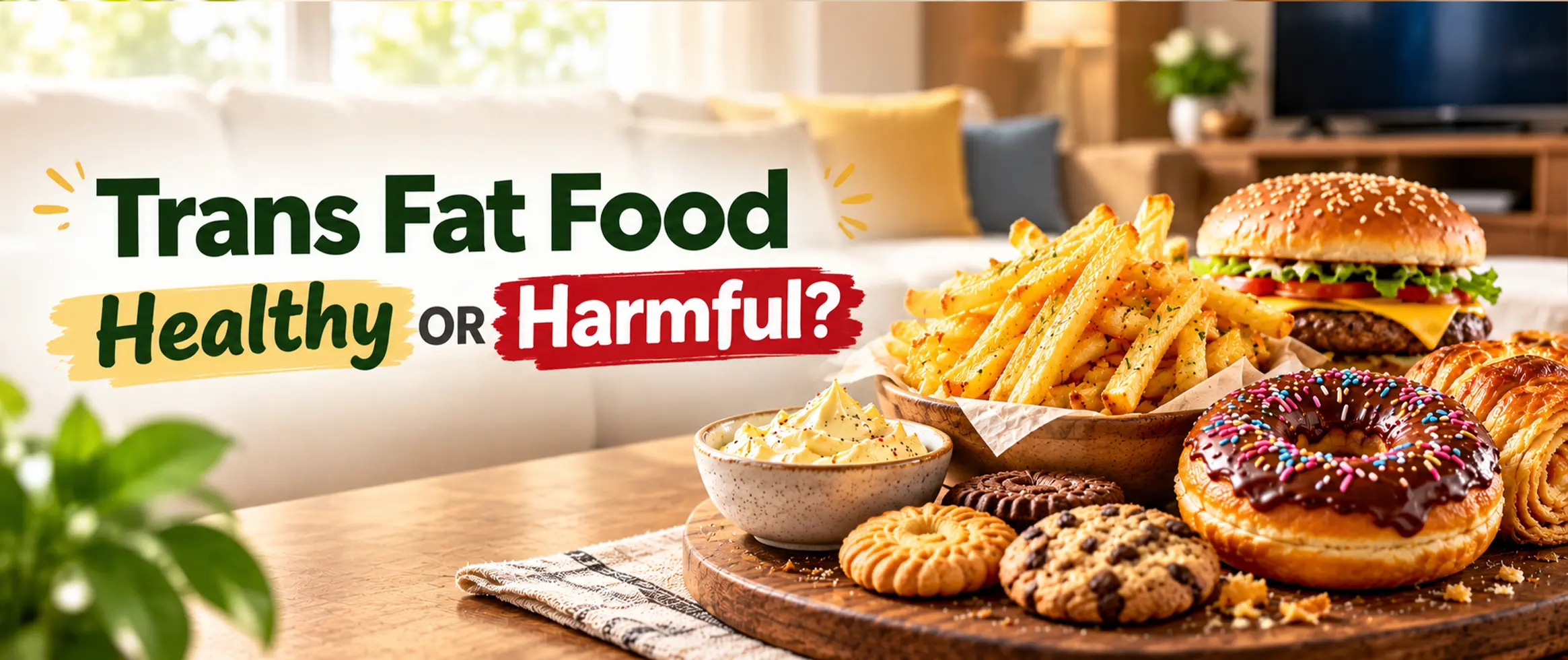
Many packaged snacks, baked goods and fried foods can contain fats that affect heart health when consumed regularly. One such type is trans fat, which is associated with an increased risk of cardiovascular disease.
Understanding what is trans fat, where it is found and how to identify it on food labels can help you make healthier choices. Although some trans fats occur naturally in small amounts in certain animal products, industrially produced trans fats are particularly harmful and should be avoided.
Trans fat, also called trans fatty acid, is a type of unsaturated fat with a particular chemical structure. It can occur naturally in small amounts in foods from ruminant animals, such as cows and goats. However, the main concern has historically been industrial trans fat, created when liquid vegetable oils are partially hydrogenated to make them more solid and stable.
This process can improve the texture and shelf life of certain foods, but it also produces fats that are harmful to health.
Industrially produced trans fats have been used in products such as some shortenings, margarines, commercial baked goods and fried foods. Their use has declined in many countries because of public-health measures, but checking ingredients and choosing healthier fats remain important.
Trans fats may be found in some commercially prepared and packaged foods, although their presence depends on the ingredients, manufacturer and local regulations.
Important: Not every biscuit, fried food or packaged snack contains trans fat. Recipes and manufacturing practices vary, so check the ingredient list rather than assuming all products in a category are the same.
The short answer is no. Industrially produced trans fat is not considered healthy, and it is best avoided as much as possible.
Research has linked trans fat consumption with several health risks.
1. Raises LDL Cholesterol
Trans fats increase low-density lipoprotein (LDL) cholesterol, often called bad cholesterol. High LDL levels can contribute to plaque buildup inside the arteries, increasing the risk of cardiovascular problems.
2. Lowers HDL Cholesterol
Trans fats can also reduce high-density lipoprotein (HDL) cholesterol, known as good cholesterol. HDL helps carry cholesterol away from the bloodstream towards the liver for processing.
The combination of higher LDL and lower HDL makes trans fat particularly unfavourable for heart health.
3. Increases Cardiovascular Risk
Regular consumption of industrial trans fats is associated with a greater risk of coronary heart disease. Over time, the changes in cholesterol and other effects can contribute to narrowing of the arteries and cardiovascular complications.
4. May Promote Inflammation
Evidence suggests that trans fat intake can contribute to inflammatory processes in the body. Chronic inflammation is associated with several long-term health conditions, although disease risk depends on many factors.
5. Offers No Unique Nutritional Advantage
Trans fats are not an essential nutrient, and the body does not need industrial trans fats to function properly. Healthier sources of fat, such as nuts, seeds, fish and unsaturated vegetable oils, can provide useful nutrients without the same risks.
Learning how to avoid trans fats can help you make better food choices without giving up every packaged or convenience food.
Read the Ingredient List
Look for terms such as “partially hydrogenated oil” or “partially hydrogenated vegetable oil.” These indicate a source of industrial trans fat. If these ingredients appear on a label, choose an alternative when possible.
Choose Healthier Cooking Oils
Use oils rich in unsaturated fats, such as olive, canola, sunflower or mustard oil, as appropriate for your cooking needs. Avoid repeatedly reheating oil or using oil that has deteriorated.
Limit Deep-Fried and Highly Processed Foods
Frequent consumption of deep-fried snacks and highly processed foods can make it harder to maintain a balanced diet. Prefer home-cooked meals more often, using suitable oils and moderate amounts of fat.
Choose Whole Foods More Often
Include fresh fruits, vegetables, whole grains, pulses, nuts and seeds in your daily diet. These foods provide fibre and other nutrients that support overall health.
Be Careful with Bakery Products
When buying biscuits, pastries, cakes or ready-made snacks, check the ingredient list and nutrition information. Choose products made without partially hydrogenated oils and limit foods high in saturated fat, added sugar and sodium.
Not all fats affect health in the same way.
Replacing trans fats with unsaturated fats is generally a healthier choice than replacing them with refined carbohydrates or added sugars.
Trans fat foods can negatively affect cholesterol levels and increase the risk of heart disease, particularly when industrial trans fats are consumed regularly. The best approach is to avoid partially hydrogenated oils, check food labels and choose healthier sources of fat.
Small changes, such as cooking with suitable oils, eating more whole foods and limiting heavily processed snacks, can help support long-term heart health.
Discover precision diagnostics with Pathkind Labs, a trusted name in diagnostic services in India. Our NABL accredited labs, equipped with advanced technology, are staffed by a certified team of over 200+ senior pathologists and 2000+ technicians. From tailored health check-ups to specialized tests in Oncology, Neurology, Gynaecology, Nephrology, and more, we've got your health covered. Skip the hassle with online booking for tests or check-ups, available for both lab visits and at-home blood collection. For a seamless experience and early detection, choose Pathkind Labs in Gurugram. Book your appointment today and experience diagnostics made easy.
© 2026 Pathkind Diagnostics Pvt. Ltd. All Rights Reserved | Unsubscribe











 Track Sample
 Upload Prescription