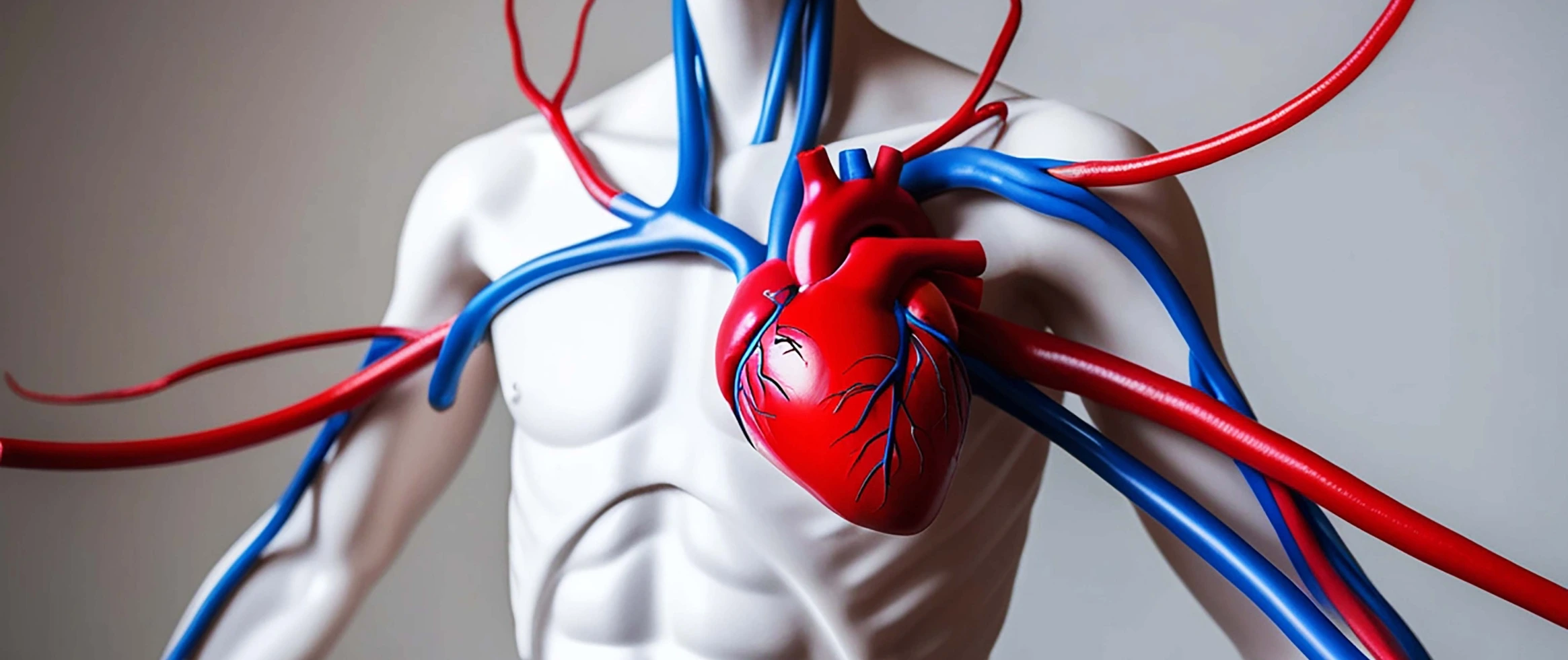
Have you ever wondered how your heart keeps blood flowing in the right direction every second of your life? It’s not just about heartbeats. It’s about timing, coordination, and tiny but powerful structures called heart valves.
Most people only think about the heart when something goes wrong. But understanding how your heart works — especially your valves — can help you take better care of your health.
Let’s break it down in a simple and practical way.
A very common question people ask is: how many valves in the heart?
The answer is simple: there are four heart valves.
These four valves are:
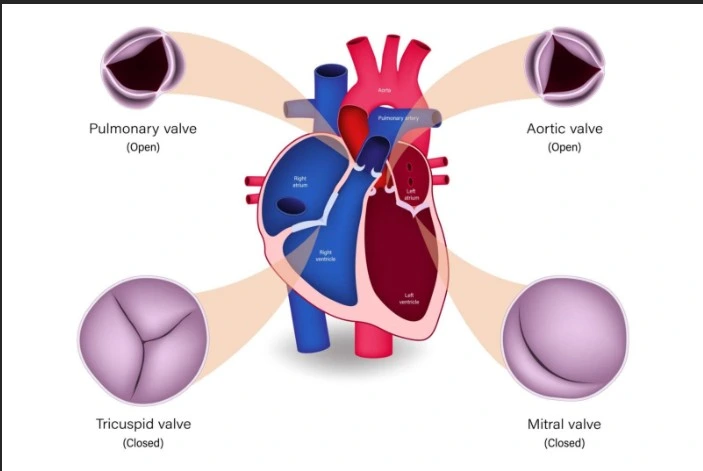
Each one plays a special role in keeping blood moving forward — not backward.
Think of them like one-way doors in your home. They open when blood needs to move and close tightly to prevent leaks.
Your heart pumps blood to your lungs and the rest of your body. But without heart valves, blood would flow in all directions.
Here’s what they do:
Every time your heart beats (about 100,000 times a day), your valves open and close smoothly. That’s over 35 million times a year.
When they work well, you don’t notice them. When they don’t, symptoms start appearing.
1. Mitral Valve
Located between the left atrium and left ventricle, it controls blood flow to the main pumping chamber of the heart.
Common issue: Mitral valve prolapse or leakage.
2. Tricuspid Valve
This valve sits between the right atrium and right ventricle.
Common issue: Tricuspid regurgitation (leakage).
3. Aortic Valve
The aortic valve controls blood flow from the left ventricle to the aorta — the largest artery in the body.
Common issue: Aortic stenosis (narrowing).
4. Pulmonary Valve
This valve allows blood to move from the right ventricle to the lungs.
Common issue: Pulmonary stenosis.
Heart valve disorders usually fall into two main categories:
1. Stenosis (Narrowing)
The valve does not open fully, making it harder for blood to pass.
This forces your heart to work harder. Over time, this strain can weaken the heart muscle.
2. Regurgitation (Leakage)
The valve does not close properly, causing blood to leak backward.
This reduces blood efficiency and can cause fatigue or breathlessness.
Sometimes symptoms are mild. Other times, they can be serious.
Watch out for:
Many people ignore these early signs, thinking it’s just tiredness or aging. But early detection can prevent complications.
Heart valve disease can happen to anyone, but risk increases with:
In India, rheumatic heart disease is still a major cause of valve damage, especially in younger adults.
Doctors usually recommend:
Regular preventive health checkups help detect early heart changes. At Pathkind Labs, cardiac risk markers in comprehensive health packages can help identify underlying risk factors like cholesterol, sugar levels, and inflammation markers before they lead to structural heart issues.
Early testing saves lives.
Treatment depends on severity.
1. Medications
Used to manage symptoms and reduce strain on the heart.
They do not fix the valve but help control complications.
2. Heart Valve Repair
Whenever possible, doctors prefer repairing the natural valve.
Benefits:
3. Heart Valve Replacement
When damage is severe, heart valve replacement becomes necessary.
During surgery, the damaged valve is replaced with a prosthetic heart valve.
There are two main types:
Mechanical Valve
Biological (Tissue) Valve
Your cardiologist will decide based on age, health condition, and lifestyle.
Many patients worry: “Will life be normal again?”
The answer is yes - in most cases.
With proper medication, lifestyle changes, and regular monitoring, people live long and active lives.
Important steps after surgery:
Monitoring blood clotting levels and cardiac markers through routine lab tests becomes essential after mechanical valve surgery.
While not all valve problems can be prevented, you can reduce your risk.
Simple Tips:
Small habits today protect your heart tomorrow.
Seek medical advice if you experience:
Never ignore these signs.
Your heart works silently for you every single day. The tiny heart valves inside it ensure smooth, one-directional blood flow.
Understanding how many valves in the heart, recognizing symptoms early, and knowing when heart valve replacement may be needed can truly make a difference.
Regular health monitoring, timely diagnosis, and expert medical care are the keys to preventing serious complications.
Don’t wait for symptoms to worsen. Take proactive steps toward better heart health today.
Discover precision diagnostics with Pathkind Labs, a trusted name in diagnostic services in India. Our NABL accredited labs, equipped with advanced technology, are staffed by a certified team of over 200+ senior pathologists and 2000+ technicians. From tailored health check-ups to specialized tests in Oncology, Neurology, Gynaecology, Nephrology, and more, we've got your health covered. Skip the hassle with online booking for tests or check-ups, available for both lab visits and at-home blood collection. For a seamless experience and early detection, choose Pathkind Labs in Gurugram. Book your appointment today and experience diagnostics made easy.
© 2026 Pathkind Diagnostics Pvt. Ltd. All Rights Reserved | Unsubscribe











 Track Sample
 Upload Prescription