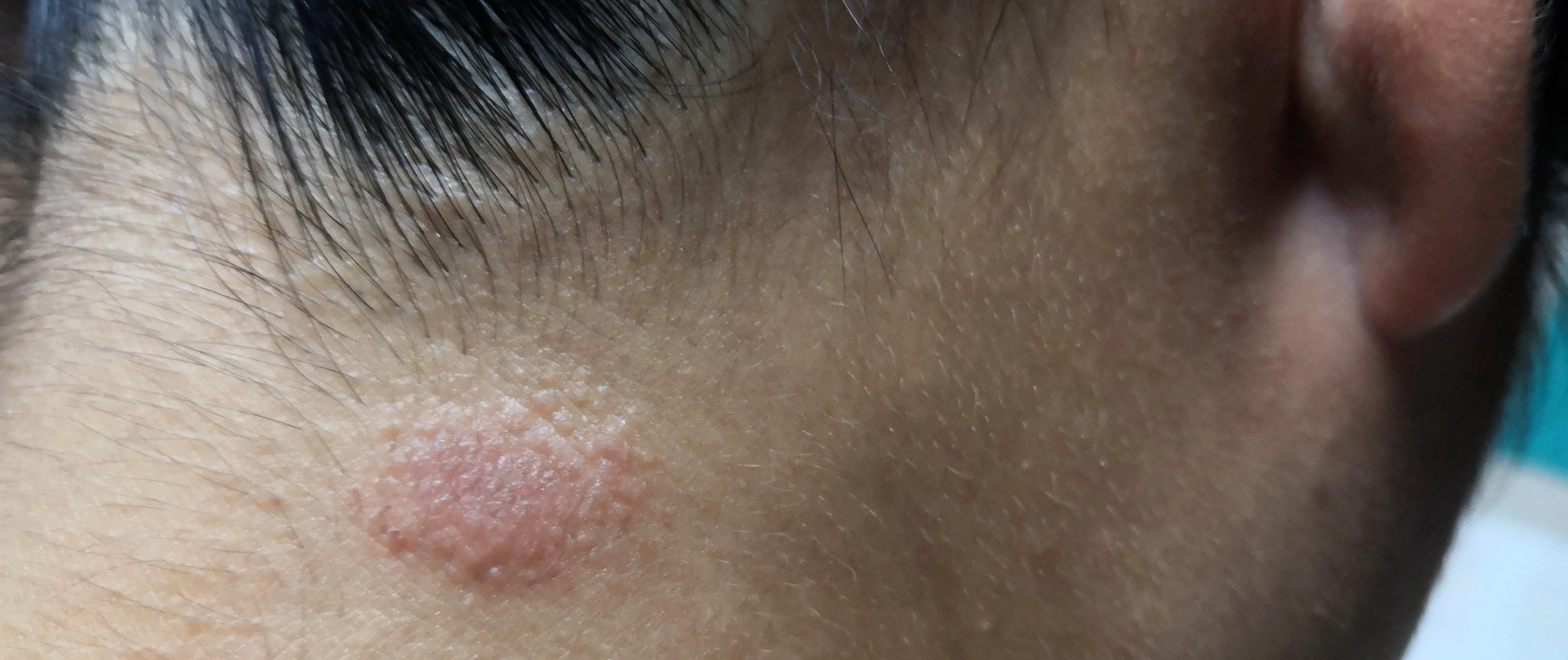
Have you ever noticed a red, circular rash on your skin that keeps itching and spreading? Many people mistake it for eczema or an allergy, but it could actually be ringworm. Despite its name, ringworm has nothing to do with worms—it’s a fungal infection that can affect the skin, nails, and scalp. It’s quite common and highly contagious, but the good news is that it’s also very treatable.
In this guide, we’ll explain what ringworm looks like, what causes it, its key symptoms, and the most effective ringworm treatment options available.
Ringworm (also called tinea) is a fungal infection of the skin caused by dermatophytes—fungi that thrive on keratin, a protein found in skin, hair, and nails. It spreads through direct contact with infected people, animals, contaminated surfaces, or even soil.
There are different types of ringworm depending on the area it affects:
Recognizing ringworm is the first step toward treatment. Here are the common ringworm symptoms and appearances:
A simple way to identify ringworm is to look for the distinctive “ring” pattern—a reddish circle with normal-looking skin inside.
Ringworm thrives in warm, moist environments. You are more likely to get infected if you:
While symptoms vary depending on the type of ringworm, the most common include:
If untreated, ringworm can spread and become more severe.
The good news is that ringworm infection is treatable with proper care. Treatment depends on the severity and location of the infection.
1. Over-the-Counter (OTC) Antifungal Creams
Mild infections can usually be managed with ringworm creams available at pharmacies, such as:
These should be applied for at least 2–4 weeks, even if the rash appears to fade sooner, to prevent recurrence.
2. Prescription Medications
For stubborn or widespread infections, a doctor may prescribe:
3. Home Care Tips
Prevention is better than cure. Here’s how to protect yourself:
You should seek medical advice if:
Early treatment helps avoid complications and prevents the spread to others.
Ringworm might sound alarming, but it’s a common and treatable fungal infection. By recognizing ringworm symptoms early and using the right ringworm treatment, whether OTC antifungal creams or prescribed medicines, you can clear it effectively and prevent it from spreading.
If you’re unsure whether your rash is ringworm or if it keeps coming back, consult a doctor for proper diagnosis and treatment.
Discover precision diagnostics with Pathkind Labs, a trusted name in diagnostic services in India. Our NABL accredited labs, equipped with advanced technology, are staffed by a certified team of over 200+ senior pathologists and 2000+ technicians. From tailored health check-ups to specialized tests in Oncology, Neurology, Gynaecology, Nephrology, and more, we've got your health covered. Skip the hassle with online booking for tests or check-ups, available for both lab visits and at-home blood collection. For a seamless experience and early detection, choose Pathkind Labs in Gurugram. Book your appointment today and experience diagnostics made easy.
© 2026 Pathkind Diagnostics Pvt. Ltd. All Rights Reserved | Unsubscribe











 Track Sample
 Upload Prescription