Gallbladder removal is a common surgery, but the thought of living without an organ can feel worrying. Many people ask the same question: what happens when gallbladder is removed? Will digestion change forever? Can you eat normal food again? Will you need lifelong medicines?
The simple answer is this: yes, your body can live without a gallbladder. Most people return to a normal routine after recovery. However, digestion may feel a little different in the beginning, especially after oily, fried, or heavy meals.
Let’s understand in simple words what changes after gallbladder removal, what symptoms are normal, and what kind of diet after gallbladder removal can help you recover better.
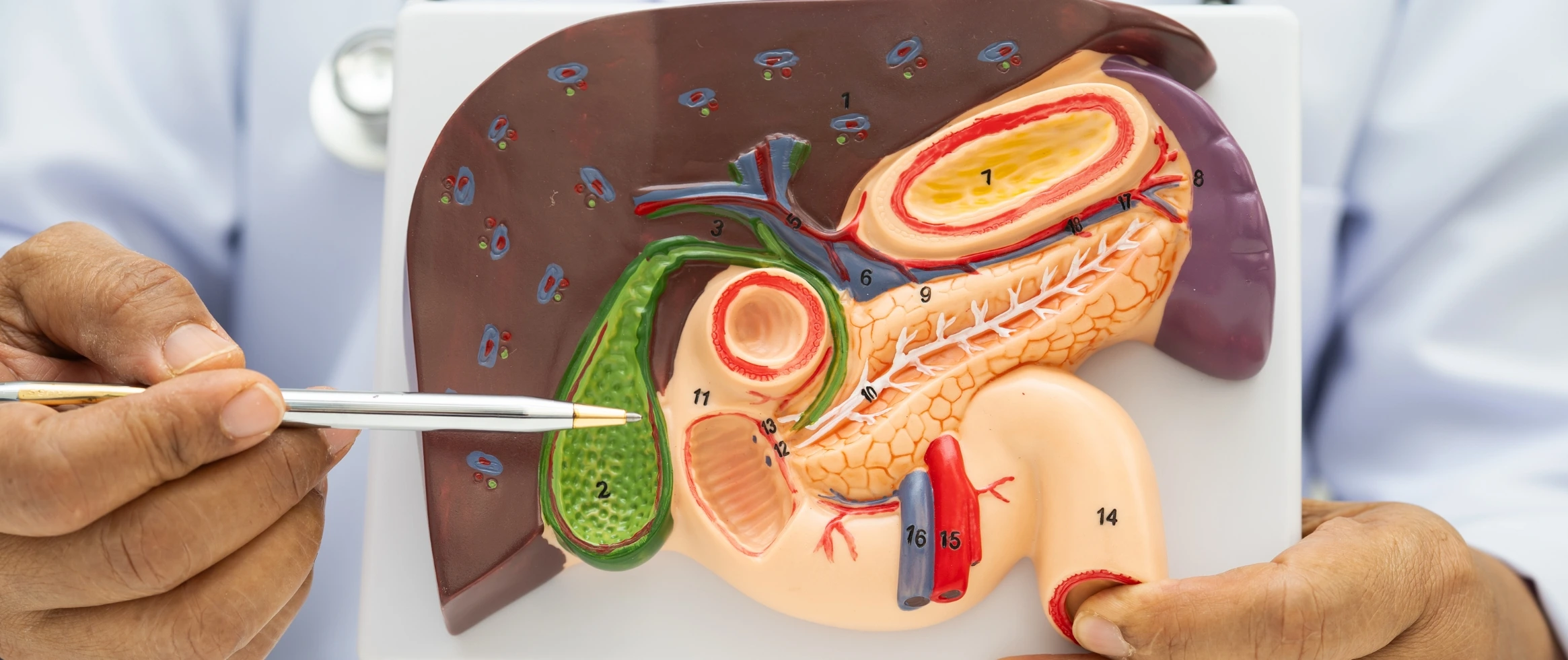
The gallbladder is a small, pear-shaped organ located under the liver. Its main job is to store bile. Bile is a digestive fluid made by the liver. It helps break down fats from food.
Think of the gallbladder like a storage tank. When you eat a fatty meal, the gallbladder releases bile into the small intestine to help digest the fat.
When the gallbladder is removed, the liver still makes bile. The only difference is that bile no longer gets stored in the gallbladder. Instead, it flows directly from the liver into the intestine in a slow and steady way.
Gallbladder removal surgery, also called cholecystectomy, is done to remove the gallbladder. It is often recommended when a person has gallstones, repeated gallbladder pain, infection, or inflammation.
There are two common types:
Laparoscopic Gallbladder Removal Surgery
This is the most common method. The surgeon makes small cuts in the abdomen and removes the gallbladder using special instruments. Recovery is usually faster.
Open Gallbladder Removal Surgery
This involves a larger cut and may be needed in complicated cases. Recovery may take longer.
According to NHS guidance, many people can return to work within 1 to 2 weeks after gallbladder removal, depending on the type of work and surgery.
After gallbladder removal, your body does not stop digesting food. The liver continues to produce bile. But because there is no gallbladder to store bile, bile moves directly into the small intestine.
For many people, this change does not cause major issues. But in the first few weeks, some people may notice:
Cleveland Clinic notes that after surgery, the body needs time to adjust to the new way bile flows, and some people may initially struggle with high-fat or high-fiber foods.
Yes, most people live a normal life after gallbladder removal. You can work, travel, exercise, and eat a balanced diet. The key is to give your digestive system time to adjust.
In the beginning, your stomach may act a little sensitive. For example, a plate of chole bhature, samosa, butter chicken, or cheesy pizza may suddenly feel too heavy. This does not mean you can never eat your favorite foods again. It simply means your body needs a gradual return to normal eating.
1. Fat Digestion May Feel Slower
Since bile is no longer stored and released in larger amounts, fatty meals may be harder to digest at first. This can lead to bloating, stomach cramps, or loose motions.
2. Bowel Movements May Change
Some people experience diarrhea after gallbladder removal. This usually improves over time. Eating smaller meals and reducing greasy foods can help.
3. You May Feel Full Quickly
After surgery, heavy meals may make you feel uncomfortable. Smaller meals are usually easier to digest.
4. Gas and Bloating May Increase
Gas and bloating are common during recovery. This may happen because of surgery, anesthesia, and dietary changes.
5. Weight May Fluctuate
Some people lose a little weight after surgery because they eat lighter meals. Others may gain weight later if they return to fried and high-calorie foods.
A good diet after gallbladder removal should be light, low-fat, and easy to digest at first. You do not need a special lifelong diet in most cases, but smart eating can reduce discomfort.
Best Foods After Gallbladder Removal
Choose simple foods such as:
Cleveland Clinic recommends starting with simple, bland foods and avoiding high-fat foods in the early recovery phase.
In the first few weeks, try to avoid:
Fatty food is not “poison” after surgery, but it can trigger symptoms when your digestion is still adjusting.
Here is a simple Indian-style diet idea:
Morning
Warm water
Plain oats, poha with less oil, or dalia
Mid-Morning
Banana, papaya, or apple
Lunch
Evening
Soup, roasted makhana, or light tea with low-fat snack
Dinner
Khichdi, vegetable dalia, or rice with light dal
Before Bed
For many people, digestion improves within a few weeks. Some may take a few months. A small number of people may continue to have loose stools or discomfort after fatty meals.
Guy’s and St Thomas’ NHS guidance says most people do not need a specific diet forever after gallbladder removal, but some may not tolerate fatty foods as well.
Contact your doctor if you notice:
These symptoms should not be ignored.
Gallbladder removal does not remove the liver’s ability to make bile. Your liver continues to work. However, maintaining a healthy lifestyle is important. Eating too much fried food, sugar, and refined carbs can affect overall liver and digestive health.
If you have symptoms like frequent acidity, nausea, unexplained weakness, yellowing of eyes, or abdominal discomfort, your doctor may suggest liver function tests.
For preventive monitoring, diagnostic tests such as liver function test, lipid profile, and complete health checkups can help understand your overall health status. Pathkind Labs offers convenient blood test booking and home sample collection options for routine health monitoring.
Myth 1: You Cannot Digest Food Without a Gallbladder
Truth: You can digest food. Your liver still produces bile.
Myth 2: You Must Follow a Strict Diet Forever
Truth: Most people return to a balanced diet. Some may need to limit fatty foods.
Myth 3: Gallbladder Removal Causes Serious Long-Term Problems in Everyone
Truth: Most people recover well and live normally after surgery.
Myth 4: You Can Eat Anything Immediately After Surgery
Truth: Your body needs time. Start light and increase food variety slowly.
Gallbladder removal may sound scary, but your body is designed to adjust. The liver continues to make bile, and digestion usually becomes normal with time. The biggest change is that fatty meals may need to be reduced, especially in the first few weeks.
A simple diet after gallbladder removal, small meals, enough water, and regular follow-up can make recovery smoother. Listen to your body. If a food causes discomfort, pause it and try again later in smaller amounts.
Discover precision diagnostics with Pathkind Labs, a trusted name in diagnostic services in India. Our NABL accredited labs, equipped with advanced technology, are staffed by a certified team of over 200+ senior pathologists and 2000+ technicians. From tailored health check-ups to specialized tests in Oncology, Neurology, Gynaecology, Nephrology, and more, we've got your health covered. Skip the hassle with online booking for tests or check-ups, available for both lab visits and at-home blood collection. For a seamless experience and early detection, choose Pathkind Labs in Gurugram. Book your appointment today and experience diagnostics made easy.
© 2026 Pathkind Diagnostics Pvt. Ltd. All Rights Reserved | Unsubscribe











 Track Sample
 Upload Prescription