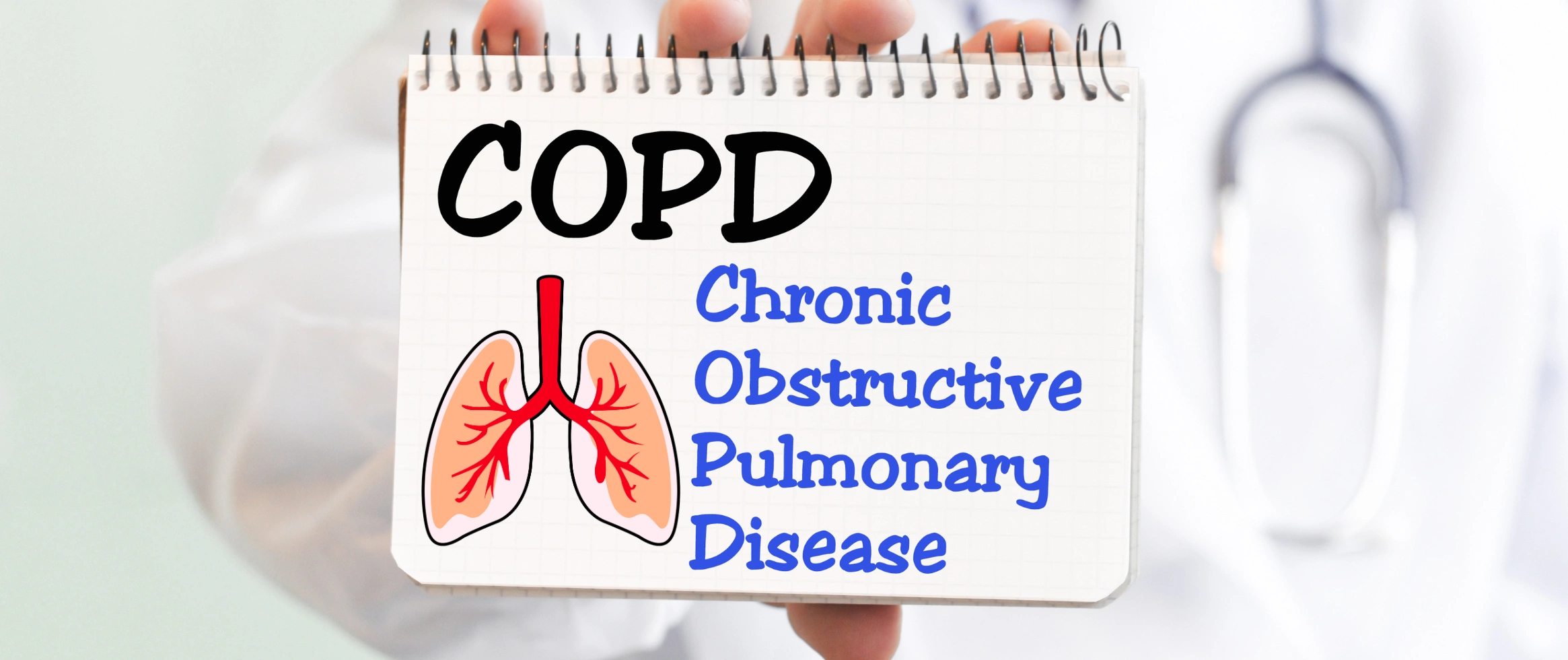
Have you ever felt short of breath after climbing just a few stairs and wondered if it’s more than just being out of shape? For millions, that breathlessness is a warning sign of serious COPD, or Chronic Obstructive Pulmonary Disease.
COPD is not just one disease; it’s an umbrella term for a group of progressive lung conditions that make it hard to breathe. While it develops slowly, the impact on daily life can be profound if not diagnosed and managed early.
Let’s understand what COPD is, how to recognize its symptoms, what causes it, and the best ways to care for yourself or a loved one living with it.
COPD (Chronic Obstructive Pulmonary Disease) is a chronic lung condition that blocks airflow and makes breathing difficult. It usually includes two main conditions:
These conditions often occur together and worsen over time, especially if exposure to irritants like cigarette smoke continues.
Recognizing COPD symptoms early can make a huge difference in how well the disease is managed. While symptoms may vary in intensity, most people experience:
In advanced stages, symptoms may include bluish lips or fingernails (a sign of low oxygen levels), weight loss, and swelling in ankles or legs due to reduced blood flow.
While COPD is largely preventable, the main cause is longterm exposure to lung irritants, especially cigarette smoke. However, other factors also contribute:
Even nonsmokers can develop COPD if they’re exposed to pollution or other irritants over time.
Imagine trying to breathe through a narrow straw that’s how it feels for someone with COPD.
Here’s what happens inside the body:
This gradual loss of lung function is why COPD is considered progressive it worsens over time but can be slowed down with proper care.
If you experience chronic cough or breathlessness, a doctor may recommend:
At Pathkind Labs, advanced diagnostic tests help identify COPD early, allowing doctors to plan personalized treatment strategies.
Although COPD cannot be fully cured, it can be effectively managed to slow its progression and improve quality of life.
1. Lifestyle Modifications
2. Medications
3. Oxygen Therapy
4. Pulmonary Rehabilitation
5. Surgical Options
Managing COPD is about consistency and awareness. Here’s how you can improve daily life:
Pathkind Labs offers preventive health packages, including Lung Function and Pulmonary Profiles, to monitor respiratory health effectively.
Yes most cases are preventable. Here’s how:
Seek medical advice if you notice:
Early diagnosis through spirometry or lung function tests can slow disease progression and improve long-term outcomes.
COPD may be a long-term condition, but with the right diagnosis, lifestyle choices, and ongoing care, individuals can lead active and fulfilling lives.
If you or someone you love is experiencing chronic cough or breathlessness, don’t ignore it. Book a Pulmonary Function Test or Comprehensive Lung Profile at Pathkind Labs to understand your lung health better.
Your lungs deserve care start today.
Discover precision diagnostics with Pathkind Labs, a trusted name in diagnostic services in India. Our NABL accredited labs, equipped with advanced technology, are staffed by a certified team of over 200+ senior pathologists and 2000+ technicians. From tailored health check-ups to specialized tests in Oncology, Neurology, Gynaecology, Nephrology, and more, we've got your health covered. Skip the hassle with online booking for tests or check-ups, available for both lab visits and at-home blood collection. For a seamless experience and early detection, choose Pathkind Labs in Gurugram. Book your appointment today and experience diagnostics made easy.
© 2026 Pathkind Diagnostics Pvt. Ltd. All Rights Reserved | Unsubscribe











 Track Sample
 Upload Prescription