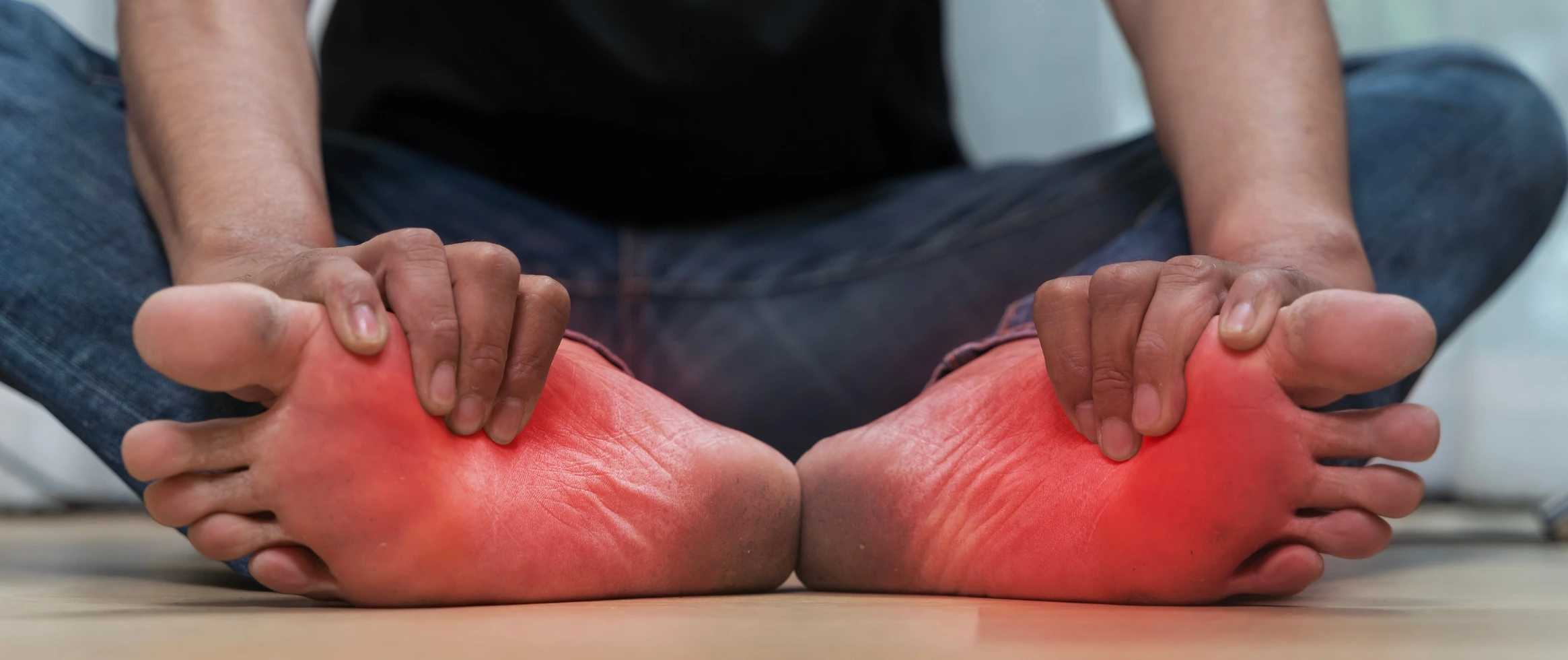
Have you ever felt a strange tingling in your hands or feet? Or maybe a burning sensation that doesn’t go away? Many people ignore these signs, thinking it’s just temporary. But sometimes, these could be early signs of peripheral neuropathy - a condition that affects your nerves and daily life.
In this guide, we’ll break down everything you need to know about peripheral neuropathy, from symptoms and causes to treatment and prevention - in simple, easy-to-understand language.
Peripheral neuropathy is a condition where the peripheral nerves (nerves outside the brain and spinal cord) get damaged. These nerves help send signals between your brain and the rest of your body.
When they don’t work properly, your body may send confusing signals - or no signals at all.
Simply put:
This can affect:
Understanding the type helps in better treatment.
1. Sensory Neuropathy
Affects sensation
2. Motor Neuropathy
Affects muscles
3. Autonomic Neuropathy
Affects involuntary functions
4. Combination Neuropathy
Many people experience a mix of symptoms.
The symptoms often start slowly and worsen over time. Many people initially ignore them - which can delay diagnosis.
Common peripheral neuropathy symptoms include:
Advanced symptoms:
Real-life example:
Many patients first notice numbness in their toes while walking barefoot. Over time, it spreads upward - a pattern doctors call “stocking distribution.”
There are many reasons why nerve damage happens. Identifying the cause is the key to treatment.
1. Diabetes (Most Common Cause)
High blood sugar damages nerves over time.
This condition is called diabetic neuropathy.
2. Vitamin Deficiency
Especially:
3. Infections
4. Autoimmune Diseases
The body attacks its own nerves.
5. Alcohol Abuse
Long-term alcohol use damages nerves and reduces vitamin absorption.
6. Injuries or Trauma
Accidents or repetitive stress injuries.
7. Medications
Some chemotherapy drugs can cause nerve damage.
8. Kidney or Liver Disorders
Toxin buildup affects nerve function.
You may be at higher risk if you:
Early diagnosis can prevent serious complications.
Doctors may recommend:
Important tests include:
At Pathkind Labs, comprehensive health packages help detect underlying causes early. Regular screening can make a big difference in managing nerve health.
Treatment depends on the cause and severity.
1. Treat the Underlying Cause
2. Medications
3. Physical Therapy
Improves strength and coordination
4. Lifestyle Changes
5. Alternative Therapies
Managing neuropathy is not just about medicines - daily habits matter a lot.
Simple tips to follow:
- Eat a balanced diet rich in vitamins
- Include foods like:
- Keep blood sugar under control
- Walk regularly (improves blood flow)
- Avoid smoking and alcohol
Foot care is very important:
Don’t ignore early signs.
Consult a doctor if you notice:
Early diagnosis can prevent permanent nerve damage.
In many cases, yes - especially when caused by lifestyle factors.
Prevention tips:
Preventive testing through diagnostic labs like Pathkind Labs can help detect early warning signs before symptoms worsen.
Peripheral neuropathy may start quietly, but it can seriously impact your quality of life if ignored. The good news? With early diagnosis, proper treatment, and healthy lifestyle choices, it can be managed effectively.
If you or your loved ones are experiencing symptoms, don’t wait. A simple test today can prevent complications tomorrow.
Taking small steps now can protect your nerve health for years to come.
Discover precision diagnostics with Pathkind Labs, a trusted name in diagnostic services in India. Our NABL accredited labs, equipped with advanced technology, are staffed by a certified team of over 200+ senior pathologists and 2000+ technicians. From tailored health check-ups to specialized tests in Oncology, Neurology, Gynaecology, Nephrology, and more, we've got your health covered. Skip the hassle with online booking for tests or check-ups, available for both lab visits and at-home blood collection. For a seamless experience and early detection, choose Pathkind Labs in Gurugram. Book your appointment today and experience diagnostics made easy.
© 2026 Pathkind Diagnostics Pvt. Ltd. All Rights Reserved | Unsubscribe











 Track Sample
 Upload Prescription