


 Track Sample
 Upload Prescription


 Email
Email
 SMS
SMS


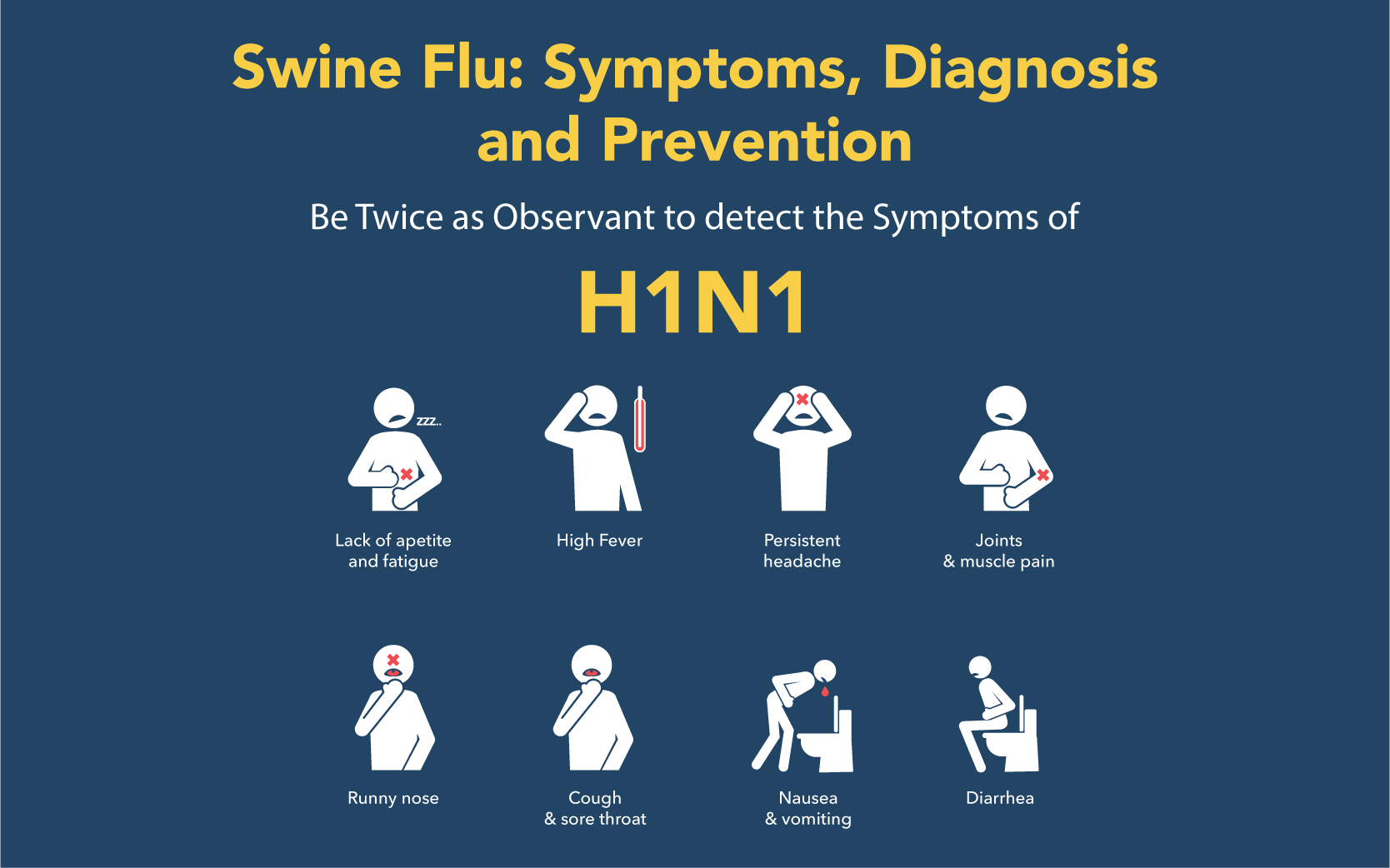
Swine Flu: Symptoms, Diagnosis and Prevention
Pathkind Team
03 Apr 2023
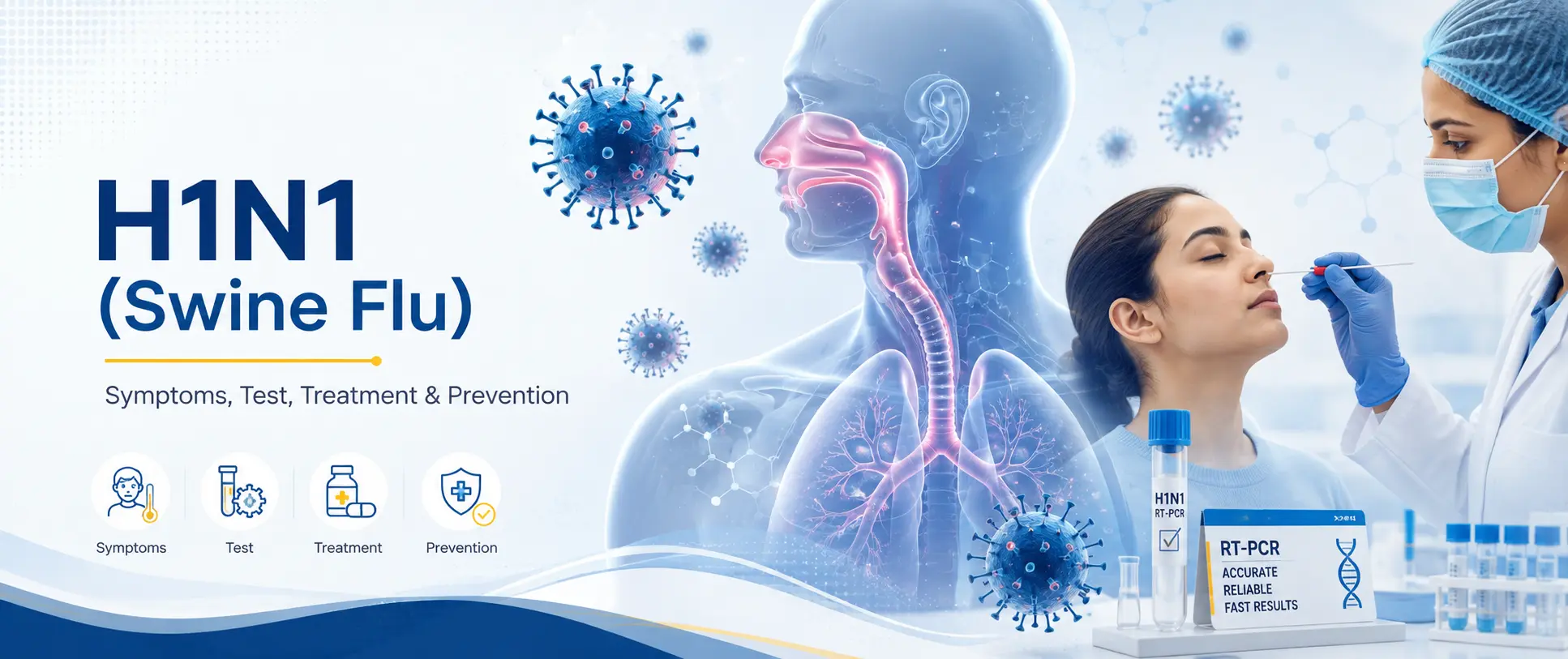
Swine flu, also known as the H1N1 virus, is a type of influenza that is commonly found in pigs. Both pigs and humans are susceptible to contracting the virus. Humans who have the swine flu often have a fever, coughing, and breathing difficulties. If you think you may have swine flu, it is important to see a doctor right away and get tested.
A swine flu test will usually involve taking a sample of your blood or mucus (via a nose or throat swab) and sending it to a laboratory for analysis. The results of the test can take a few days to come back, but they will help your doctor determine whether or not you have swine flu and what course of treatment is necessary.

 NABL approved
  Most Trusted by
  Accuracy &
  Widest Range
 Schedule a blood test or health checkup and have the convenience of being tested in the comfort of your own home.



The swine flu (H1N1) test is a diagnostic tool used to determine if an individual has been infected with the H1N1 virus. The test can be performed using either a blood or nasal sample, and results are typically available within two to three days.
Anyone who suspects they may have contracted the H1N1 virus should get tested as soon as possible. This is especially important for individuals who are pregnant, have underlying medical conditions, or are in close contact with someone who has been diagnosed with the virus.
The swine flu (H1N1) test is highly accurate, with false positive results occurring in less than 1% of cases. However, it is important to note that the test cannot be used to rule out infection with other strains of the influenza virus.
There is no special preparation required for the swine flu (H1N11) test. However, if you are getting a blood sample drawn, it is recommended that you drink plenty of fluids and avoid strenuous activity in the hours leading up to your appointment.
Swine flu (H1N1) is typically diagnosed through a laboratory test that looks for the presence of the virus in respiratory secretions, such as saliva or mucus. This test can be performed on a sample collected from a patient or on a sample collected during an autopsy.
There is no specific treatment for swine flu (H1N9), but patients can receive supportive care to help relieve symptoms and prevent complications. Treatment may include rest, fluids, and pain relievers. Antiviral medications may also be prescribed if the patient is hospitalized or at risk for severe illness.
₹ 4500
Schedule a blood test or health checkup and have the convenience of being tested in the comfort of your own home.



Discover precision diagnostics with Pathkind Labs, a trusted name in diagnostic services in India. Our NABL accredited labs, equipped with advanced technology, are staffed by a certified team of over 200+ senior pathologists and 2000+ technicians. From tailored health check-ups to specialized tests in Oncology, Neurology, Gynaecology, Nephrology, and more, we've got your health covered. Skip the hassle with online booking for tests or check-ups, available for both lab visits and at-home blood collection. For a seamless experience and early detection, choose Pathkind Labs in Gurugram. Book your appointment today and experience diagnostics made easy.
© 2026 Pathkind Diagnostics Pvt. Ltd. All Rights Reserved | Unsubscribe