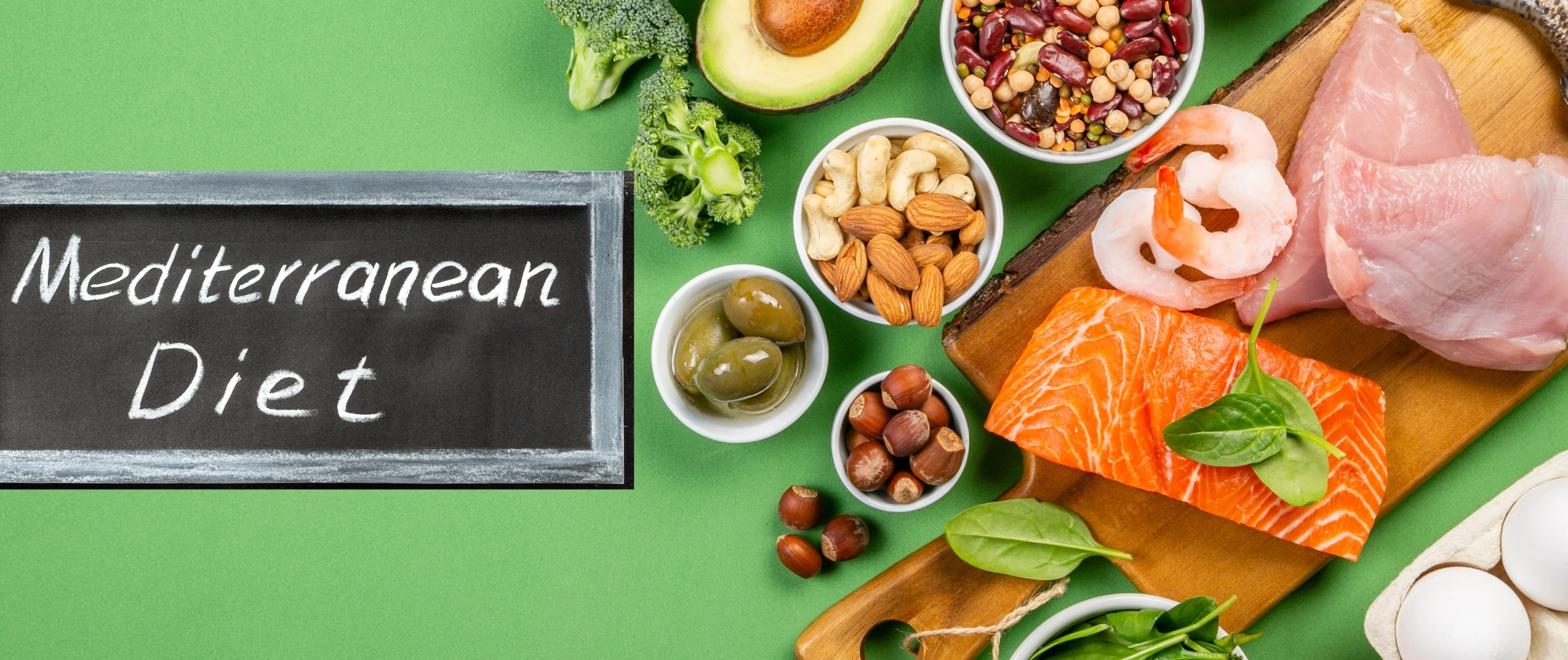
If you’ve ever wondered why people living in Mediterranean countries like Greece, Italy, and Spain often enjoy longer, healthier lives, the answer lies mostly in what they eat. The Mediterranean diet isn’t a strict “diet” in the usual sense. It’s more of a lifestyle simple, wholesome foods, lots of fresh produce, and a way of eating that nourishes both the body and mind.
Many people turn to this eating pattern for weight management, heart health, and especially for improving liver conditions like fatty liver. And the best part? It’s delicious, flexible, and surprisingly easy to follow.
In this guide, we’ll break down what to eat, simple Mediterranean diet recipes, a beginner friendly Mediterranean meal plan, and how this diet helps conditions like fatty liver. We’ll keep everything conversational, clear, and practical so you can start using it today.
The Mediterranean diet is inspired by the traditional eating habits of people living around the Mediterranean Sea. But don’t picture exotic or complicated dishes. Think of colorful salads, hearty soups, whole grains, and plenty of olive oil.
At its heart, the Mediterranean diet focuses on:
A simple way to understand it:
Eat food that looks close to how it grows.
Instead of counting calories, this diet encourages mindful eating, family style meals, and enjoying food without guilt.
People everywhere from doctors to nutritionists recommend this eating pattern because it consistently shows strong health benefits in scientific research.
Here are some commonly observed benefits:
What makes it powerful is not just one food but the combination and balance of many nutrient rich foods.
Fatty liver is becoming increasingly common, especially due to sedentary lifestyle, stress, rapid weight gain, and diets high in refined carbs. The Mediterranean diet is one of the most recommended dietary patterns for fatty liver, and here’s why.
1. High in Healthy Fats
Olive oil, nuts, and seeds contain monounsaturated fats that help reduce liver fat.
2. Low in Added Sugars
Cutting out sugary foods reduces fat storage in the liver.
3. Rich in Antioxidants
Foods like berries, spinach, tomatoes, and beans lower inflammation.
4. Supports Weight Loss
Even small reductions in weight can improve liver function.
5. Stable Blood Sugar Control
Whole grains and fiber rich foods prevent insulin spikes, which is key for fatty liver management.
A lot of people share that once they switch from a “typical Indian carb heavy diet” to a Mediterranean pattern, they notice better energy, improved digestion, and reduced bloating within weeks.
To make this easy, here’s a clear breakdown of foods to include and foods to avoid.
Foods to Eat More Of
1. Vegetables
Aim for 2 3 cups daily.
Examples: spinach, cucumbers, broccoli, tomatoes, brinjals, cauliflower, kale.
2. Fruits
Fresh, seasonal fruits berries, apples, oranges, grapes, bananas, peaches.
3. Whole Grains
Brown rice, oats, quinoa, millet, barley, whole wheat.
4. Healthy Fats
Extra virgin olive oil
Nuts: almonds, walnuts, pistachios
Seeds: flax, chia, sesame
5. Lean Protein
Fish like salmon, sardines, tuna
Poultry
Eggs
Plant protein: chickpeas, rajma, lentils
6. Dairy in Moderation
Curd, Greek yogurt, paneer, cheese (in small amounts)
7. Herbs & Spices
Garlic, oregano, basil, turmeric, cinnamon.
Foods to Limit
Think of the diet as choosing natural food over processed options.
Here’s a practical 7 day Mediterranean diet meal plan. You can easily swap ingredients based on availability or personal taste.
Day 1
Breakfast: Oats porridge with nuts and berries
Lunch: Chickpea salad with tomatoes, cucumber, olive oil, and lemon
Dinner: Grilled fish with sautéed veggies
Snack: A handful of walnuts
Day 2
Breakfast: Greek yogurt with honey and fruits
Lunch: Whole wheat roti + stir fried vegetables + dal
Dinner: Mediterranean style vegetable soup
Snack: 1 apple
Day 3
Breakfast: Avocado toast (use whole wheat bread)
Lunch: Grilled chicken with brown rice and salad
Dinner: Tomato basil pasta (whole wheat)
Snack: Roasted almonds
Day 4
Breakfast: Smoothie with spinach, banana, curd, and chia seeds
Lunch: Rajma bowl with veggies
Dinner: Baked paneer with herbs
Snack: Grapes
Day 5
Breakfast: Vegetable omelette
Lunch: Quinoa upma
Dinner: Fish curry (light oil) + sautéed greens
Snack: Mixed nuts
Day 6
Breakfast: Idli with sambar (light oil)
Lunch: Falafel wrap with hummus
Dinner: Vegetable stew + whole grain bread
Snack: A pear
Day 7
Breakfast: Poha with peas and lemon
Lunch: Grilled tofu with mixed greens
Dinner: Whole wheat pasta with veggies and olive oil
Snack: Seeds mix
Here are some quick and easy Mediterranean diet recipes you can make at home, even if you’re not a regular cook.
1. Mediterranean Chickpea Bowl
A filling, colorful bowl that works well for lunch.
Ingredients:
Method:
Mix everything in a bowl and enjoy.
2. Greek Yogurt Fruit Parfait
Perfect for breakfast or a sweet craving.
Ingredients:
Method:
Layer yogurt, fruit, honey, and seeds. Eat immediately.
3. Simple Tomato Basil Pasta (Whole Wheat)
Easy Sunday dinner idea.
Ingredients:
Method:
Sauté garlic, add tomatoes, add boiled pasta, finish with basil.
4. Lentil Soup (Indian Twist)
Great option for fatty liver.
Ingredients:
Method:
Cook dal with vegetables, temper lightly with olive oil.
Adopting a new diet can feel overwhelming, but small steps make a big difference. Here are some real life suggestions you can start practicing today.
1. Replace your cooking oil with olive oil
This is the quickest upgrade.
2. Eat a salad every day
Even a simple cucumber tomato bowl works.
3. Add more nuts to your snacks
Instead of chips or biscuits.
4. Switch to whole grains
Brown rice instead of white
Whole wheat roti instead of maida
5. Keep your meals colorful
The more colors on your plate, the more nutrients.
6. Reduce sugar gradually
Replace sweets with fruits.
7. Add fish twice a week
Or plant based omega 3 sources like walnuts and flaxseeds.
8. Stay active
A 30 minute walk boosts overall health and supports liver recovery.
If your goal is fatty liver reversal, weight loss, or lifestyle correction, it’s always better to start with a health assessment. Many people wait until symptoms show up, but early detection is key.
You can get a complete health check at NABL certified labs like Pathkind, which offers comprehensive packages such as Healthkind Active or Advance, covering:
These tests help track inflammation, liver enzymes, metabolism, and overall health so you can follow the Mediterranean diet in a more personalized, safe way.
Discover precision diagnostics with Pathkind Labs, a trusted name in diagnostic services in India. Our NABL accredited labs, equipped with advanced technology, are staffed by a certified team of over 200+ senior pathologists and 2000+ technicians. From tailored health check-ups to specialized tests in Oncology, Neurology, Gynaecology, Nephrology, and more, we've got your health covered. Skip the hassle with online booking for tests or check-ups, available for both lab visits and at-home blood collection. For a seamless experience and early detection, choose Pathkind Labs in Gurugram. Book your appointment today and experience diagnostics made easy.
© 2026 Pathkind Diagnostics Pvt. Ltd. All Rights Reserved | Unsubscribe











 Track Sample
 Upload Prescription