Have you ever heard your doctor mention PCV in blood test results? PCV, or packed cell volume, is a simple but important measure of how much of your blood is made up of red blood cells. Understanding your PCV count can give clues about conditions like anemia or dehydration. In this article, we'll walk through the PCV test, why it's done, how to interpret your numbers, and what the PCV normal range looks like.
What Is a PCV Test?
A PCV test—also called a hematocrit test—is a lab measure of the percentage of blood volume occupied by red blood cells (RBCs). When a sample of blood is spun in a centrifuge, the cells separate by weight. The red cells pack at the bottom, and the ratio of that packed layer to the total blood volume is the PCV (or hematocrit) value.
- Packed Cell Volume (PCV): Percentage of blood made up of RBCs
- Why “packed”? After spinning, RBCs are tightly settled (“packed”) at the tube’s bottom
- Also called: Hematocrit (Hct) in many lab reports
Why Is the PCV Test Done?
Doctors order a PCV test for several reasons:
- Check for Anemia: Low PCV can signal anemia, where you lack healthy RBCs to carry enough oxygen.
- Detect Dehydration: High PCV may occur if you’re dehydrated—blood volume drops but RBCs stay the same.
- Monitor Chronic Disease: Conditions like kidney disease or cancer can affect RBC production.
- Assess Treatment: To see if iron supplements or other therapies for anemia are working.
- Pre-Surgical Checks: Ensuring you have sufficient RBC levels before surgery.
By tracking PCV count, healthcare providers can spot issues early and tailor treatment plans.
How to Prepare for a PCV Test
For most people, no special preparation is needed. But follow these tips for the clearest results:
- Stay Hydrated: Drink water unless your doctor asks you to fast. Dehydration can falsely raise PCV.
- Medication Review: Tell your provider about any drugs or supplements—some can alter blood cell production.
- Timing Matters: If you’re measuring treatment progress, have tests at the same time of day for consistency.
Always follow your doctor’s instructions. If fasting is required, typically no food or drink for 8–12 hours before the draw.
What Happens During the Test?
Getting a PCV test is quick and routine:
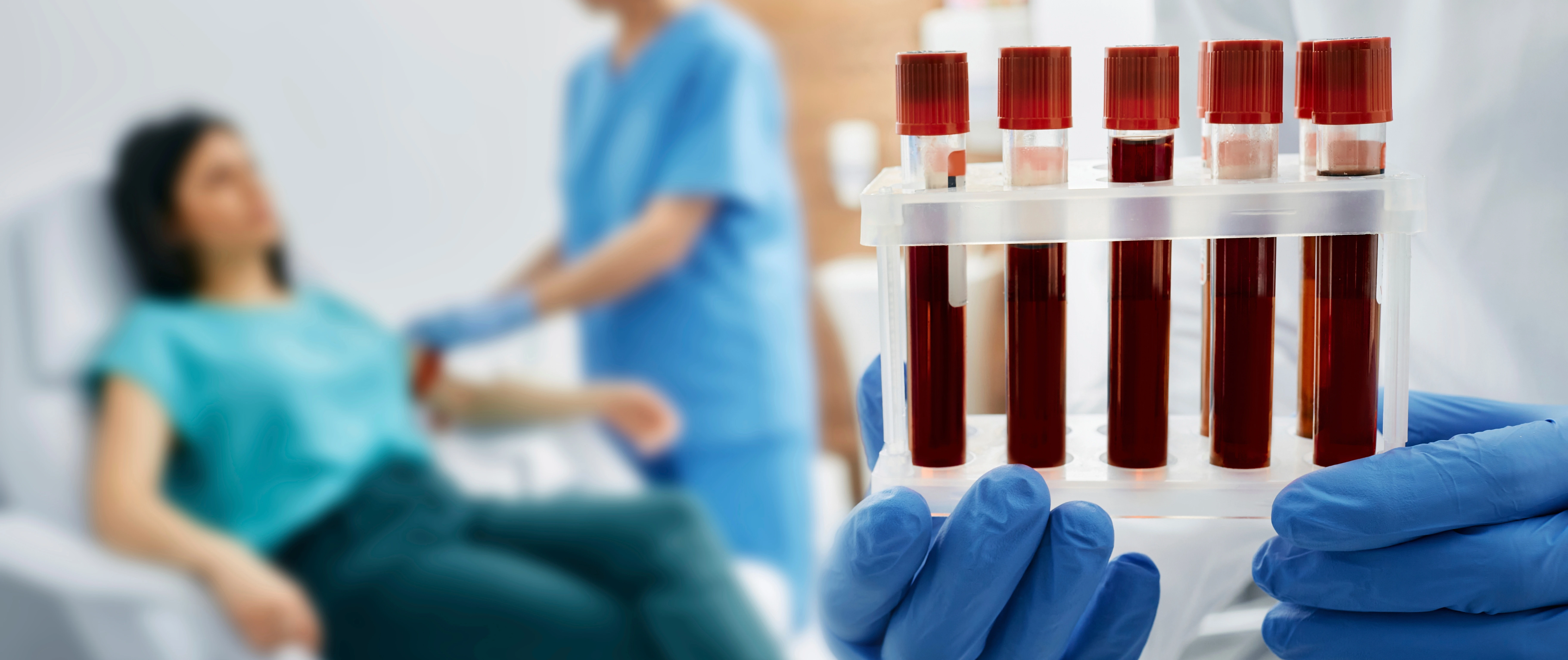
- Blood Draw: A phlebotomist uses a needle to draw a small sample of blood, usually from your arm.
- Labeling: The sample is marked with your details to prevent mix-ups.
- Centrifuge Spin: In the lab, the blood spins at high speed.
- Measure PCV: Technicians read the packed red cell layer height against total blood height.
Results are usually available within a few hours to a day.
Understanding Your PCV Count Results
PCV Normal Range
Your PCV normal range varies by age, sex, and sometimes altitude. Typical adult ranges are:
| Group | PCV Normal Range (%) |
| Adult Men | 40 – 54 |
| Adult Women | 37 – 47 |
| Children (varies) | 32 – 44 |
Note: Lab-to-lab variations exist. Always compare your result to the reference range on your report.
Low PCV (Below Normal)
A PCV count below the normal range suggests fewer RBCs than expected. Possible causes:
- Iron-deficiency anemia
- Vitamin B₁₂ or folate deficiency
- Chronic kidney disease (reduced erythropoietin)
- Blood loss (trauma, ulcers, heavy periods)
- Bone marrow disorders
Symptoms may include fatigue, weakness, shortness of breath, and pale skin.
High PCV (Above Normal)
A high PCV can mean too many RBCs or not enough plasma volume. Causes include:
- Dehydration (plasma volume falls)
- Polycythemia vera (bone marrow makes excess RBCs)
- Living at high altitude (body adapts by boosting RBCs)
- Smoking (carbon monoxide stimulates RBC production)
Possible symptoms: headache, dizziness, itching after warm showers, and an increased risk of blood clots.
Factors That Can Affect PCV Levels
Understanding what can skew your PCV in blood test helps you get accurate readings:
- Hydration Status: Dehydration raises PCV; overhydration lowers it.
- Recent Travel: High-altitude exposure boosts RBC production.
- Pregnancy: Plasma volume expands more than RBCs, slightly lowering PCV.
- Smoking: Carbon monoxide binds to hemoglobin, prompting more RBCs.
- Medications: Some chemotherapy drugs and steroids can change RBC counts.
Always discuss any recent changes—travel, medication, or hydration—with your provider before testing.
Tips to Maintain Healthy PCV Levels
Keep your PCV count within the normal range by:
- Eating Iron-Rich Foods: Red meat, leafy greens, lentils, and fortified cereals.
- Getting B Vitamins: Eggs, dairy, beans, and whole grains supply B₁₂ and folate.
- Staying Hydrated: Aim for 8 – 10 glasses of water daily, more if active.
- Avoiding Smoking: Quitting reduces excess RBC production and improves oxygen delivery.
- Regular Check-Ups: Especially if you have chronic conditions or take medications that affect blood.
Detailed Dietary Recommendations to Optimize Your PCV Count
Eating a balanced, nutrient-rich diet supports healthy red blood cell production and keeps your pcv count in range. Choose from these vegetarian and non-vegetarian options:
Vegetarian Diet Options
Iron-Rich Sources
- Legumes & Pulses: Lentils, chickpeas, kidney beans, black beans
- Leafy Greens & Vegetables: Spinach, kale, collard greens, broccoli
- Seeds & Nuts: Pumpkin seeds, sesame seeds, sunflower seeds, almonds
- Fortified Grains: Iron-fortified cereals, breads, and pastas
Vitamin B₁₂ & Folate
- B₁₂: Fortified plant milks (soy, almond), fortified cereals
- Folate (B₉): Avocado, asparagus, Brussels sprouts, citrus fruits, beans
Vitamin C–Rich Pairings (to boost non-heme iron absorption)
- Orange or grapefruit slices
- Strawberries or kiwi with fortified cereal
- Bell peppers or tomatoes alongside hummus
Healthy Fats & Hydration
- Fats: Chia seeds, flaxseeds, walnuts, olive oil
- Hydration: 2–3 L water daily; herbal teas and coconut water
Non-Vegetarian Diet Options
Heme Iron Sources (better absorbed)
- Red Meats: Lean beef, lamb, bison
- Poultry: Chicken breast, turkey
- Seafood: Oysters, clams, mussels, sardines, tuna
Vitamin B₁₂ & Folate
- B₁₂: Eggs, yogurt, cheese, fatty fish (salmon, mackerel)
- Folate (B₉): Continue plant sources—beans, leafy greens, fortified grains
Vitamin C–Rich Pairings
- Fresh fruit salad (oranges, strawberries) alongside grilled chicken
- Sliced bell peppers or pineapple with seafood ceviche
Healthy Fats & Hydration
- Fats: Olive oil–based dressings, avocado garnish, oily fish (supports cell membranes)
- Hydration: 2–3 L water; include broths or soups for extra electrolytes
When to See Your Doctor
Contact your healthcare provider if you experience:
- Persistent fatigue or weakness
- Unexplained shortness of breath
- Pale or yellow-tinted skin
- Frequent headaches or dizziness
- Signs of dehydration that don’t improve with fluid intake
Early evaluation and testing—including a PCV test—can help diagnose issues before they become serious.
By understanding the PCV in blood test, its purpose, how to prepare, and what your PCV count means, you can take an active role in your health. Keep track of your levels, maintain a balanced diet rich in iron and B vitamins, and stay hydrated. If you have concerns about your results or symptoms, always consult your healthcare professional for personalized advice.
Precautions Before, During, and After Your PCV Test
Before the Test
- Hydrate well—unless fasting is ordered—so you don’t get a falsely high PCV.
- Avoid heavy exercise for 24 hours; strenuous activity can temporarily raise your count.
- Disclose all medications (iron supplements, steroids, oral contraceptives) in advance.
During the Draw
- Relax your arm—tension can make veins harder to access.
- Stay still while the blood is taken to prevent bruising or a slow draw.
After the Test
- Apply pressure at the site for at least 2 minutes to stop any bleeding.
- Keep the bandage on for a few hours and avoid heavy lifting with that arm for the rest of the day.
- Stay hydrated and have a light snack if you feel faint or shaky.
By knowing the ins and outs of your PCV test, you’ll feel prepared and informed at your next blood draw. Remember, maintaining healthy habits—nutrition, hydration, and lifestyle—helps keep your blood in balance and supports overall well-being.











 Track Sample
 Upload Prescription