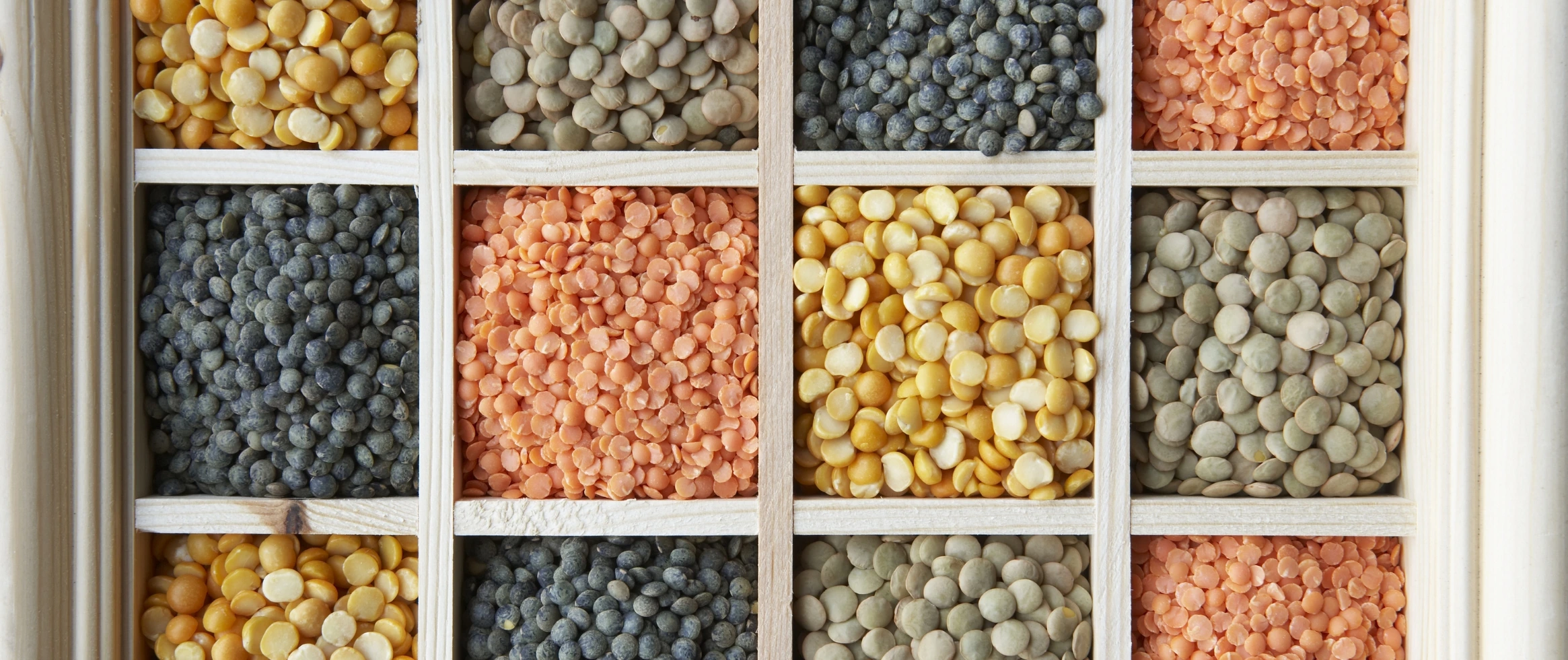
If you’ve ever stood in a grocery store aisle wondering whether chickpeas are legumes or pulses, you’re not alone. Many people even those who cook every day get confused by these terms. Both legumes and pulses are common foods in Indian households, especially in dals, curries, salads, and snacks. But what exactly is the difference between them?
Think of this guide as a simple explanation you can share with a friend or a school going child. No complicated science words, just clear, helpful information that answers your exact question: What is the difference between legumes and pulses?
Let’s break it down in the simplest way possible.
Legumes are a large plant family. When we use the word “legumes,” we are talking about the whole plant that includes its roots, leaves, stems, pods, and seeds.
A few examples of legumes you already know:
If you walk into a field of moong or chana, you’re standing inside a legume farm.
Easy way to remember:
Legume = the whole plant.
Pulses are a part of the legume family but not the entire family. Pulses specifically refer to the dry seeds of certain legume plants.
Pulses are:
Common pulses include:
Easy way to remember:
Pulse = dried seed of a legume.
Let’s imagine the legume plant is like a big house. Inside the house, there are many items furniture, clothes, tools, and more.
Now, pulses are just one type of item inside that house.
In simple words:
All pulses are legumes,
but not all legumes are pulses.
If you hold a fresh green pea pod in your hand, that pod is a legume.
If you dry the peas inside and cook them as matar dal, those become pulses.
While legumes are a broad family, pulses are known for their dense nutritional value. They are one of the most affordable sources of plant based protein.
Here’s what makes pulses special:
Practical examples from daily Indian meals:
These dishes come directly from pulses, showing how essential they are in everyday diets.
Legumes are not just food they help the planet too.
Here’s how:
1. They fix nitrogen in soil
Legumes naturally add nitrogen back to the soil, which makes them environmentally friendly. Farmers love growing them because they reduce the need for chemical fertilizers.
2. They use less water
Compared to many other crops, legumes need less water making them ideal for Indian agriculture.
3. They support crop rotation
Growing legumes between other crops keeps soil healthy and productive.
While we often think of legumes only as food, the plant family serves many purposes.
Food Legumes:
Forage Legumes (used for animal feed):
Industrial Legumes:
Pulses fall into four major categories:
1. Beans
2. Lentils
3. Chickpeas
4. Dry peas
Many people confuse these terms. Here are the most common doubts:
Is peanut a pulse?
No. Peanuts are legumes, not pulses, because they are not dried seeds used as whole grains.
Is soybean a pulse?
No. Soybeans are legumes but not pulses.
Is moong a pulse?
Moong dal (dried seeds) is a pulse.
Moong plant = legume.
Is green pea a pulse?
Fresh green peas are legumes.
Dry peas become pulses.
Even though there’s a difference between legumes and pulses, both offer amazing health benefits.
1. Good for heart health
They help lower LDL cholesterol and maintain healthy blood pressure.
2. Help with weight control
Their high fiber content keeps you full for longer.
3. Support blood sugar control
Ideal for people with diabetes due to their slow digestibility.
4. Promote gut health
Fibers in pulses improve digestion and prevent constipation.
5. Great source of plant protein
Especially important for vegetarians, athletes, and growing children.
Balanced nutrition means balanced health. If you are increasing your intake of legumes and pulses for better energy, protein needs, or overall wellness, keeping track of your internal health markers becomes important.
You can opt for Pathkind’s comprehensive health packages, such as:
Healthkind Neo Package
Covers essential tests like:
This package helps you understand how your body is responding to your diet especially if you're focusing on high protein foods like pulses.
Booking is easy with home sample collection and NABL certified accuracy.
Discover precision diagnostics with Pathkind Labs, a trusted name in diagnostic services in India. Our NABL accredited labs, equipped with advanced technology, are staffed by a certified team of over 200+ senior pathologists and 2000+ technicians. From tailored health check-ups to specialized tests in Oncology, Neurology, Gynaecology, Nephrology, and more, we've got your health covered. Skip the hassle with online booking for tests or check-ups, available for both lab visits and at-home blood collection. For a seamless experience and early detection, choose Pathkind Labs in Gurugram. Book your appointment today and experience diagnostics made easy.
© 2026 Pathkind Diagnostics Pvt. Ltd. All Rights Reserved | Unsubscribe











 Track Sample
 Upload Prescription